
Hygiene Water Drainage Systems | Clean & Efficient Solutions

What Does Hygiene Water Drainage Mean?
Hygiene water drainage is an advanced engineering system that is used in the proper handling of wastewater and surface water without contaminating it with bacteria, and with regard to the structural stability of the drainage system. The systems have been made to be used in situations where hygiene is paramount, like in hospitals, food processing plants, and clean rooms. Compared to conventional drainage arrangements, hygiene drainage is designed to achieve higher levels of sanitation and efficiency, and in this regard, it will use materials that are resistant to corrosion and will have anti-slip features.
Hygiene Water Drainage Systems: Importance
- Bacterial Contamination Prevention:
Drainage systems are important in ensuring that bacterial, fungi, and other undesirable microorganisms do not accumulate in areas such as kitchens, hospitals, and laboratories. The water drainage system is also hygienic and which means that the wastewater is easily displaced and the possibility of infection and contamination is reduced.
- Observance of Health Standards:
Other industries like the health sector and the processing of food are very controlled to ensure that there is high hygiene. The drainage systems are not only suggested, but must be in place. Most of the hygienic water drainage systems are developed according to international requirements, including the World Health Organization (WHO) healthcare facility requirements.
- Enhanced Safety:
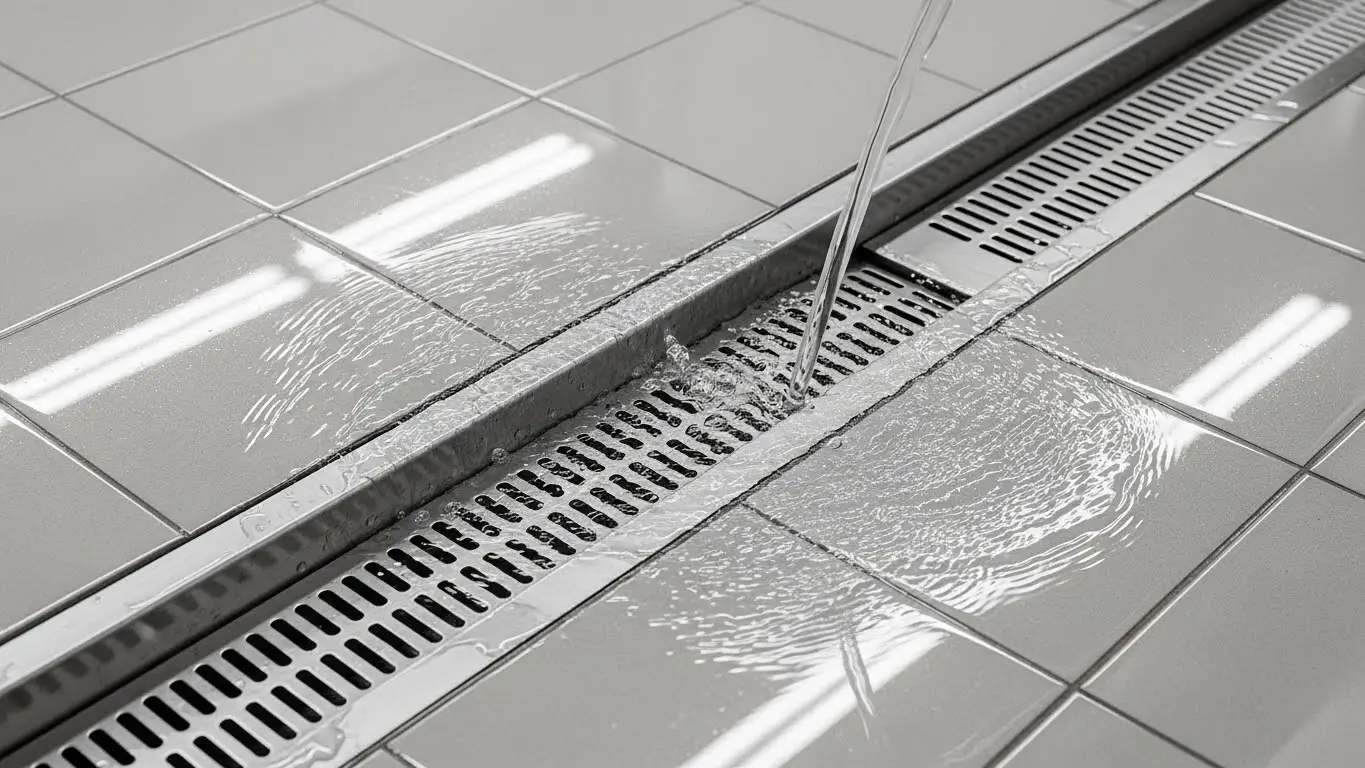
Hygiene drainage systems are also surrounded with anti-slip grates and drainage, which avoids accidents. Safety is the most important in such settings as in a hospital or food production facility, where water spillage is a common event. The removable water traps and slip-resistant grating are used to keep the surfaces safe even when wet.
- Environmental Sustainability:
The current drainage solutions are usually oriented to sustainability. These systems are corrosion-resistant using materials such as stainless steel, which are meant to last longer, and therefore, not many replacements are required. Moreover, they are more efficient in the management of water, which improves the practice of water usage and environmental compliance.
Hygiene Water Drainage Systems Characteristics
- Construction Type: Stainless Steel
The majority of the developed hygienic drainage products employ stainless steel 304 or 316L. Stainless steel is also very resistant to corrosion, rust, and chemical damage, and is therefore ideal in environments where high hygienic conditions are very important. It is also a material that offers structural strength to the drainage system, and this guarantees the long-term reliability of the drainage system.
- Anti-Slip Grates
To be on the safer side, the system is usually provided with anti-slip grating. This is especially necessary where wet floors are needed, such as in kitchens, hospitals, and industrial areas. The surfaces are non-slip and therefore offer a traction surface that avoids slips and falls.
- Removable Traps and Debris Filters
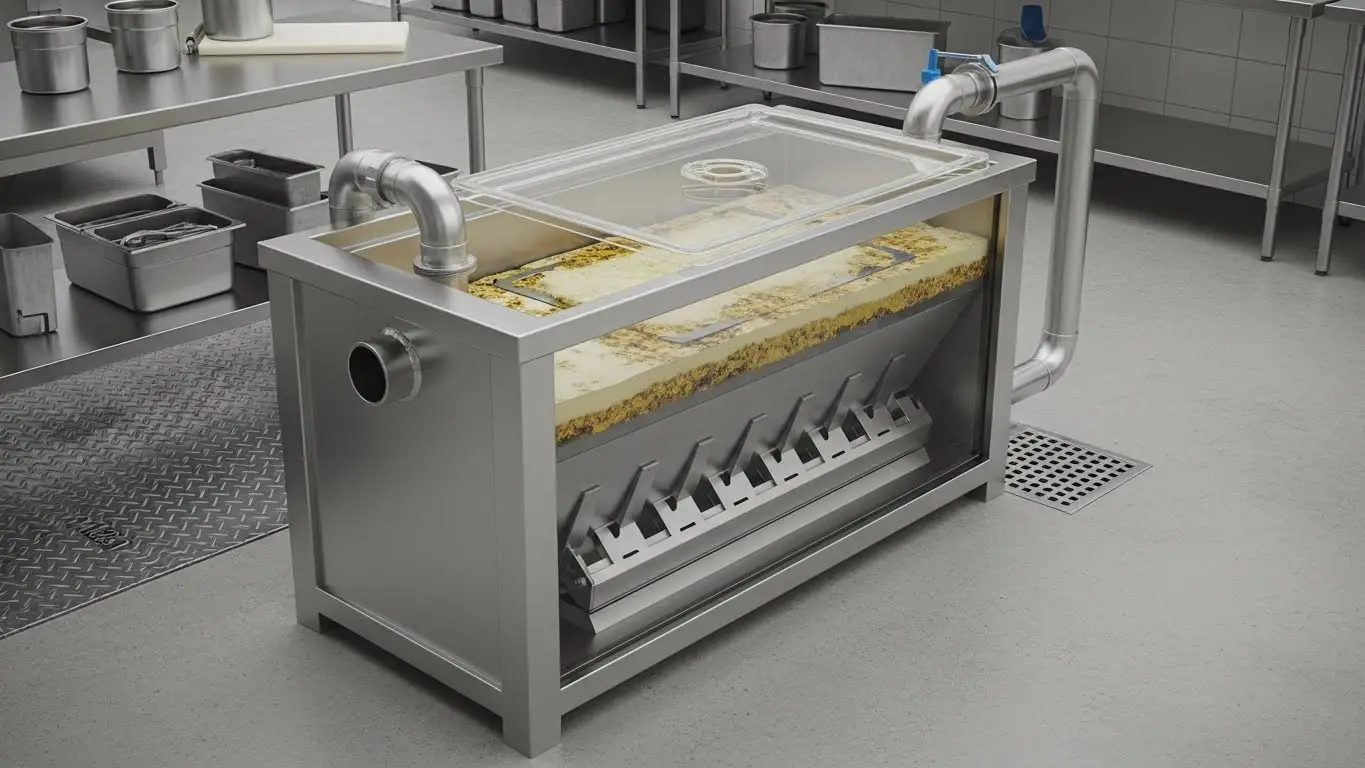
Removable traps and debris filters are very necessary in the upkeep of the drainage system. These properties avoid clogs and obstructions since they sieve out bigger particles and debris that would have caused an inefficient drainage system.
- High-Density Polyethylene Drainage Modules
The modular drainage systems can be very flexible and can be installed in many different applications, depending on the customization of the drains. These systems are flexible to different layouts and configurations to ensure that they suit the particular environmental requirements.
- Low Union and Waterproof Systems
Hygiene drainage systems have a low-profile design, which makes them appropriate for fitting in places where height restriction is required. Also, waterproofing is used to ensure that water is well-contained without the threat of water damage or water destruction.
Uses of Hygiene Water Drainage Systems
- Healthcare and Hospitals
Hygiene is very important in hospitals in order to avoid the spread of infections. Hospital hygienic drainage should be able to cope with both clean and contaminated water to make sure that wastewater is disposed of in a safe and fast way. Hospital drainage systems usually have such features as high-capacity drainage and anti-backflow valves to maintain good sanitary conditions in operating rooms, ICUs, and patient wards.
- Food Industry
The food industry is based on high standards of hygiene, keeping the products safe. The water drainage systems in the food industry are meant to cope with the high-water requirements of the food production environment. These systems have stainless steel grates, modular designs, and traps that filter the food debris, and this ensures that hygiene is maintained and that food is not contaminated during food processing and handling.
- Laboratories and Cleanrooms
Cleanroom hygiene and water drainage are being used in laboratories and cleanrooms where sterility is of great importance, so that water should be handled effectively without causing the spread of contaminants. These mechanisms are meant to eliminate water effectively so that areas are water-free and in a sterile condition.
- Commercial and Industrial Kitchens
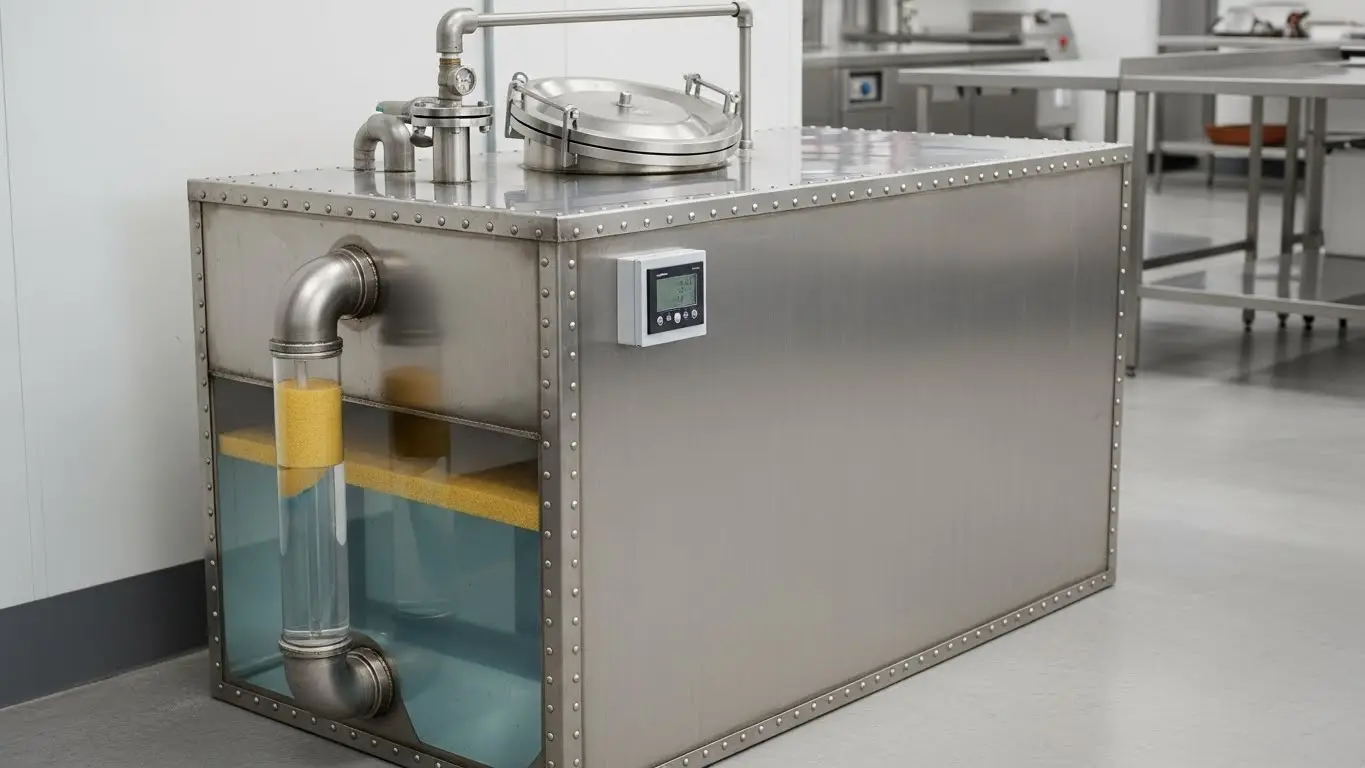
Kitchens are the places where grease, food particles, and other waste products occur and therefore require commercial hygienic drainage systems. They are made to ensure the removal of heavy wastes that are produced and, at the same time, comply with the food safety standards. The characteristics, such as easy-clean surfaces, removable traps, and modular drainage, aid in ensuring that the level of hygiene in these high-traffic settings remains high.
Hygiene Water Drainage System Advantages
- Better Health and Safety: These drainage systems are essential to the health facilities in terms of contamination, as they will ensure that the patients, staff, and visitors are not exposed to infections or unsafe conditions.
- Cost Efficiency: The initial cost of hygienic drainage systems can be higher than that of traditional systems, but in the long term, the system will save on maintenance and the ability to withstand abrasions, which will make the system cost-effective in the long run.
- Regulatory Compliance: Hygienic drainage systems are beneficial in certifying the health and safety regulations as WHO standards and FDA guidelines, which are very important in hospitals and the food industry.
- Sustainability: High-tech systems constructed using materials such as 304/316L stainless steel have a longer life span, besides being more eco-friendly owing to their recyclability and less replacement.
- Improved Operating Performance: Systems that have characteristics such as modular drain parts, clean surfaces, and removable filters have a higher level of efficiency with less time spent on maintenance and a smoother functioning of the operations.
What is the Reason to Select Advanced Hygiene Water Drainage Solutions?
- Enhanced Patient Safety: Minimizes the risk of infection in a healthcare facility by keeping it sterile.
- Cost Efficiency: Long-term savings are a result of low maintenance costs and prolonged service life.
- Regulatory Compliance: Totally in conformity with health and hygiene standards in the hospitals, food facilities, and laboratories.
- Improved Operational Effectiveness: The cleaning and maintenance are easy, thus streamlining operations.
- Sustainability: Mobile, high-quality, and corrosion-resistant materials guarantee a sustainable and environmentally friendly solution.
Conclusion
Hygienic water drainage systems are needed to keep a large variety of industries, including but not limited to healthcare and food processing, commercial kitchens, and cleanrooms, clean and safe. Such high-tech solutions are not only useful in terms of wastewater management, but they can also assist in avoiding bacterial contamination, regulatory compliance, and general efficiency. To have a closer glimpse of our sophisticated hygienic water drainage products, such as MEA(r) Stainless Steel Grates and the Modular Drainage Systems, visit us through the CMSA.
Share on Social:


