MEA® Rainwater Abandoned Device
- Adjustable Shaft
- Rainwater Drainage
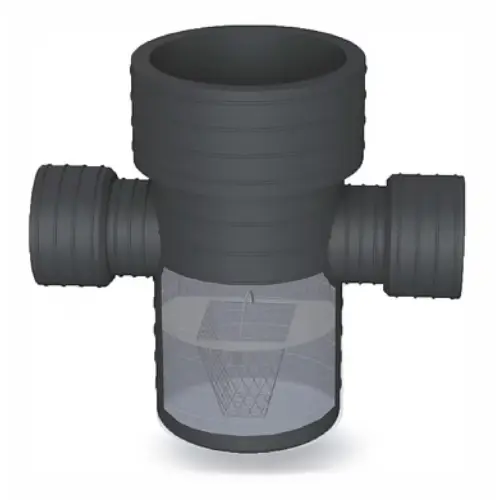
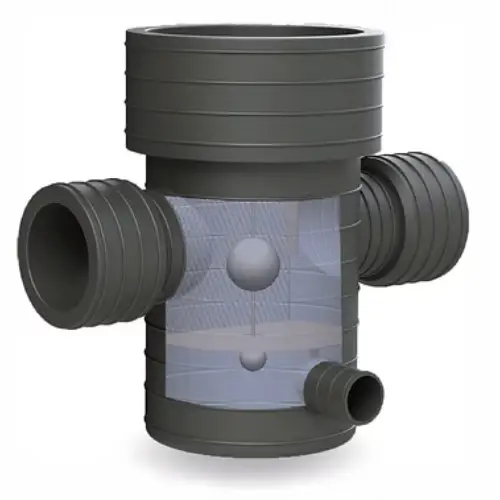
Includes main body and adjustable shaft; shaft height adapts to soil cover depth, with backfill and compaction after installation. PE main body features stainless steel filter and floating device that filters fine suspended particles (~2mm). Floating ball control discharges poor-quality early rainfall while collecting higher-quality rainwater later.


Specifications
| Material | PE body + SS filter |
| Shaft Height | Adjustable |
| Particle Filtered | ≥ 2 mm suspended solids |
| Application | Rainwater systems |
| Function | Solid interception |
For comprehensive information, please see the document available for download below.
-
Description

The rainwater abandoned device efficiently manages two core challenges in modern drainage systems. It controls early-stage runoff and simultaneously seals unused pipe branches. During the initial phase of rainfall, the floating ball mechanism releases dirty rainwater that typically carries higher pollutant loads. Once the rainwater becomes cleaner, the device diverts it into the main collection tank. In addition, the system integrates a stainless steel filter that captures residual suspended particles larger than 2mm. With its compact design and PE shaft, the rainwater abandoned device suits both new installations and retrofits.
Features
-
The PE body resists corrosion and supports long-term underground installation
-
The floating ball automatically discharges poor-quality initial rainfall
-
Stainless steel filter captures remaining suspended debris
-
You can trim the shaft height on-site for precise burial
-
The unit connects quickly to pipelines and supports direct backfill
-
One device handles runoff separation and pipe termination
Applications and Benefits
-
Separates and releases the first flush of rainwater containing pollutants
-
Diverts clean rainwater into harvesting or reuse systems
-
Seals unused or decommissioned rainwater outlets
-
Reduces risk of backflow, groundwater contamination, and system damage
-
Works in drainage transitions, rainwater outlets, or pre-filtration stages
Installation and Layout Flexibility
You can easily adjust the shaft height during installation to match the required soil depth. After connecting the device to the pipeline, backfilling and compaction can begin immediately. This flexible approach reduces installation time and eliminates the need for extra structural protection. Moreover, the compact vertical design fits tight spaces and allows quick access to the internal filter basket during maintenance. As a result, the device supports long-term stability while reducing the total lifecycle cost of your rainwater network.
FAQs
Q1: What does the floating ball do during rainfall?
A: It controls early discharge by allowing the first dirty rainwater to exit before collection begins.Q2: Can this device seal unused rainwater pipelines?
A: Yes, it isolates and protects inactive pipe branches to maintain system integrity.Q3: How can I adjust the shaft height?
A: Simply cut the PE shaft to match your site’s soil coverage before backfilling.Q4: Does the filter require frequent maintenance?
A: No, but regular inspections help ensure debris doesn't build up over time.Q5: Where is this device most useful?
A: It performs best at rainwater system outlets or any pipe end requiring runoff control and isolation.Why Choose Rainwater Abandoned Device
You need a solution that does more than block unused pipes. This rainwater abandoned device not only prevents infiltration and backflow but also improves rainwater harvesting efficiency. By releasing polluted first-flush water and capturing leftover solids, it protects tanks, filters, and downstream systems. Furthermore, you can adapt it to varied site conditions thanks to the adjustable shaft and compact form. Engineers and builders choose this unit to reduce maintenance needs and protect long-term system performance—all without extra complexity.
-
Related Products