
What Construction Drainage Installation Cost Really Includes Now
Construction Drainage Installation Cost is more than a line in your project budget. It is the real price you pay to keep roads, pavements, and rail tracks safe and dry. From city streets to rural highways, from tram lines to landscaped walkways, every infrastructure project depends on the right drainage system. Yet many owners only see the materials and miss the hidden parts of the bill. Why do two similar projects end up with very different costs - and risks? In this article, we unpack what this cost really includes today.
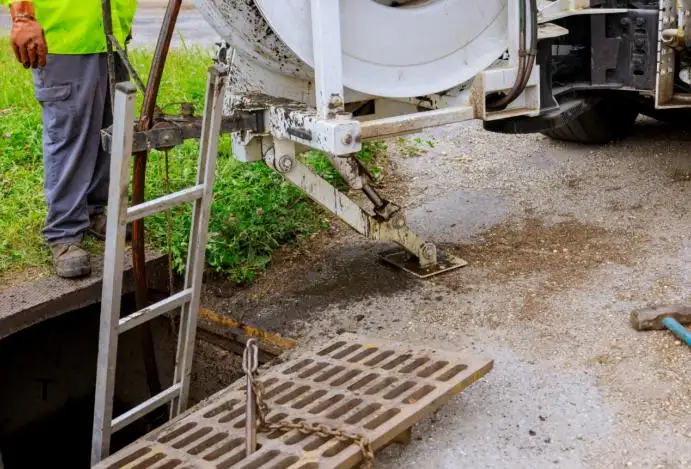
The Real Cost Drivers To Plan For
Ask any site manager and you'll hear the same thing: the price of channels is not the price of a working drainage system. At MEA, we model Construction Drainage Installation Cost as a stack of predictable items plus a layer of risks that surface between tender and handover. Seeing both is how you keep budgets stable.
✅ Visible, Predictable Lines
Most estimates cover the basics, and they are still essential to track.
• Materials and components (channels, gratings, kerbs, connectors)
• Earthworks and excavation, including disposal and backfill
• Labor, supervision, and site prelims for day and night shifts
• Traffic management and temporary safety barriers
• Permits, inspections, testing, and as-built documentation
These are measurable. You can count channels, measure trench lengths, and plan crews. The challenge is that visible lines rarely capture how geometry and phasing slow the job.
✅ Hidden And Variable Costs
This is where contingency gets burned and schedules slip.
• Utility clashes that trigger redesigns or on-site re-routing
• Curved pavements that need custom transitions and tighter tolerances
• Weather delays, dewatering, and pump hire in low-lying areas
• Rework from misaligned channels or inconsistent levels at tie-ins
• Limited maintenance access that inflates OPEX year after year
From MEA's field experience, geometry is the single biggest swing factor. Straight runs are predictable. Curves around crossings, stations, and landscaping demand more survey time, more cutting, and more checks. An integrated approach often outperforms a low unit price because it reduces interfaces, and therefore errors, across the chain.
Integrated Solutions That Cut Lifetime Cost
Our philosophy is simple: spend where it removes risk. We design products and deliver engineering support to lower Construction Drainage Installation Cost over the asset's life, not just the first invoice.
- MEA KERB: One Pass, Fewer Interfaces
Urban corridors are short on space and long on stakeholders. The MEA KERB channel series merges kerb and drainage into a single, linear element. It manages surface water along the traffic edge while keeping structural continuity in the verge.
In plain terms, one integrated pass replaces multiple trades and handovers. Level control improves because the kerb line and channel invert are coordinated by design. Load performance is certified for busy streets and high-traffic zones, which reduces call-outs and claims. And because the same system works on urban and rural roads, expressways, landscape routes, and station aprons, procurement and training are simpler.
Why this lowers cost over time?
- Fewer trades and fewer pours reduce rework and possession time
- Linear drainage maintains consistent levels on straights and curves
- Certified load capacity prevents early damage in high-traffic areas
- One family of components streamlines logistics and installs
Before you mobilize, MEA's technical team runs drainage calculations, advises on product selection, and issues layout drawings and BIM families. That upfront clarity removes the "cost of confusion" that so often distorts Construction Drainage Installation Cost during construction.
- Rail Track Drainage That Keeps Cities Moving
Tram and light-rail systems face a different risk: standing water and debris in the wheel flange. MEA rail track drainage uses polymer concrete for mechanical strength and chemical resistance, and interfaces cleanly with common tram profiles (such as Ri 53, 54, 59, and 60). Modular sections (typically 1000 - 2000 mm) speed installation and alignment along the rail.
✅ Budget impact you can feel
- Reduced pooling and sediment means fewer unplanned maintenance events
- Factory-molded connectors improve fit, shorten possessions, and limit closures
- High load capacity supports urban rail operations without premature wear
When reliability is your KPI, better drainage is not a "nice to have" - it's a low-cost insurance policy for the whole network.

MEA's Cost-Saving Workflow
Construction Drainage Installation Cost is a lifecycle number. MEA helps owners and contractors compress it through a structured, end-to-end workflow that trades uncertainty for documented decisions.
✅ Design And Selection: Cut The Guesswork
- Hydraulic calculations with professional software and clear reporting
- Product recommendations mapped to load class, environment, and maintenance goals
- Coordinated layouts and detailed drawings that align all trades and phases
This early work turns vague allowances into quantities you can schedule. It also highlights geometry risks - curves, crossings, level transitions - before they hit the site diary.
✅ BIM And Pre-Construction: Prevent Rework
- Complete product libraries and responsive technical assistance
- Clash-aware models that handle both straight runs and complex curves
- Early reviews to lock gradients, outlets, and maintenance access
Pre-construction is where many projects either crystallize savings or import future claims. Good BIM coordination shrinks the list of "unknowns," which stabilizes Construction Drainage Installation Cost from week one.
✅ Installation And Handover: Deliver Quality Fast
- On-site training before the first pour or the first possession
- Periodic inspections to keep tolerances tight and levels true
- Support through inspection and acceptance so issues close quickly
What to watch in every estimate?
- Geometry: Curves, tie-ins, and level changes can add 10 - 20% to time.
- Traffic staging: Night work and diversions lift labor and traffic control costs.
- Access and maintenance: Hard-to-reach covers increase OPEX for decades.
- Certification: CE/EN and local approvals reduce compliance risk and rework.
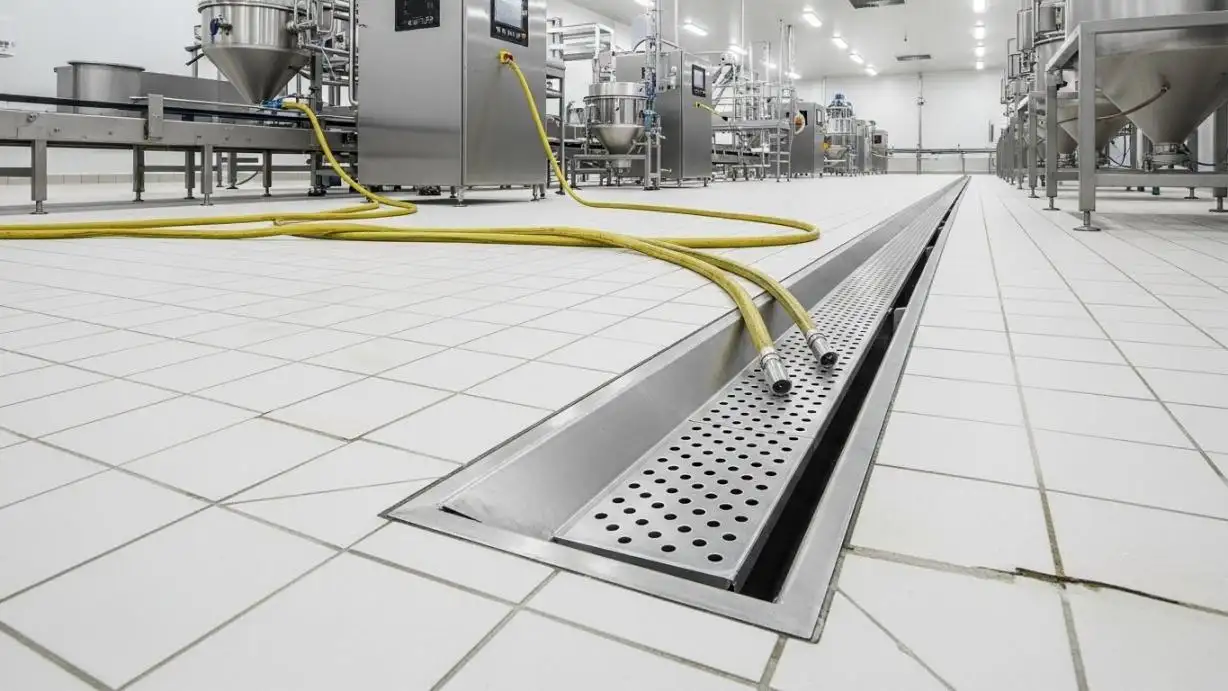
Material choices matter. Polymer concrete offers high compressive strength and chemical resistance - essential near de-icing salts, fuels, and oils. Where hygiene and corrosion resistance are critical, stainless steel (304 or 316L) components perform reliably in transit hubs and public spaces. Selecting the right material shifts spend from emergency fixes to planned maintenance, which flattens the total curve of Construction Drainage Installation Cost.
Ready To Bring Costs Under Control?
If you're scoping a road, streetscape, or tramway, MEA can turn drawings into a clear, buildable plan. Request a free hydraulic check and layout review today. We'll map your Construction Drainage Installation Cost across materials, labor, staging, and maintenance - and show where an integrated kerb-and-drain or rail-ready solution saves time, reduces risk, and protects service life.
Call to Action: Contact MEA for calculations, BIM files, and a tailored bill of quantities. Let's deliver drainage that performs on day one - and keeps doing so without surprises.


