
Budgeting for Success: Estimating Your Perimeter Drain Grease Trap Cost
Perimeter Drain Grease Trap Cost is more than just a line on your quote. It is the total cost of choosing, installing, running, and cleaning the grease trap that protects your perimeter drains. This system stops fats, oils, and grease from blocking pipes and causing smells or fines. Every kitchen needs it, but few owners really know what drives the final price. Why is one project simple and another full of extra charges?
Below, we'll break down the main things that push your Perimeter Drain Grease Trap Cost up or down and show how an HDPE solution like the MEA® HDPE Grease Trap can help you spend less over the entire life of the system, not just on day one.
Why Perimeter Drain Grease Trap Cost Varies From Site to Site
Two kitchens can install the same model of grease trap and still end up with very different invoices. That's because the hardware price is only part of the story. Site layout, access, and regulations all influence the final Perimeter Drain Grease Trap Cost.
- Installation Conditions and Layout Constraints
Think about where the trap has to go. Is it in a new-build plant room with good access, or tucked into a cramped basement where everything is already in place? In a retrofit job, contractors may need to:
•Break concrete or remove old flooring
•Reroute existing drains and services
•Bring in lifting equipment to position a heavy unit
Each of these steps adds labor, equipment hire, and time. If the trap is made from traditional heavy materials, the job gets even more complicated. More people, more safety measures, more chances for something to go wrong.
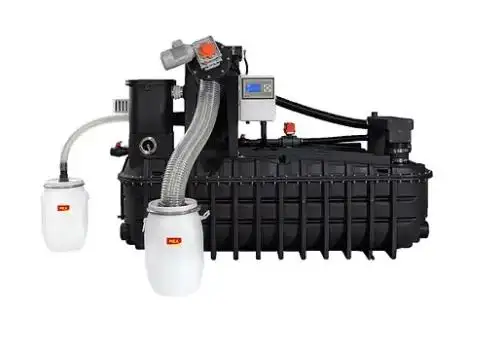
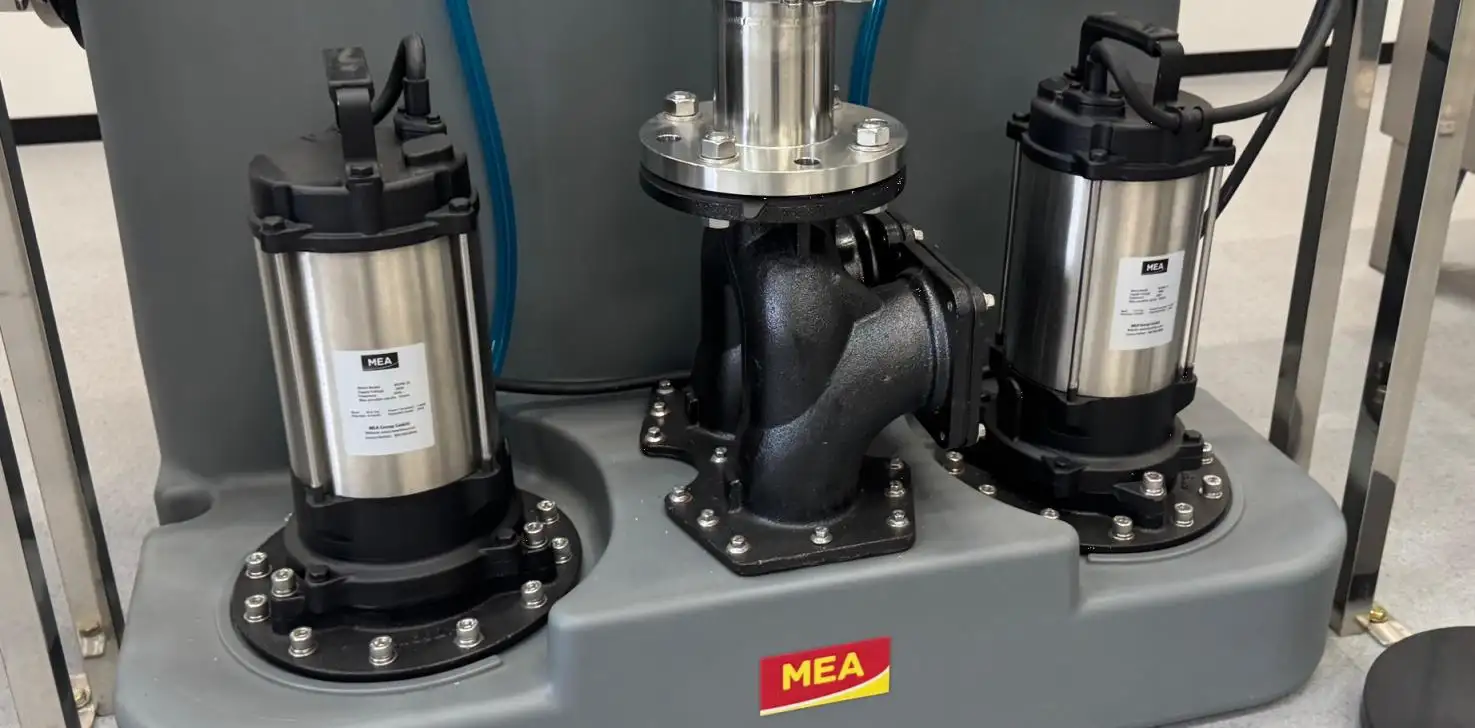
A lightweight HDPE grease trap changes that picture. Because the MEA HDPE unit can be carried and positioned by hand, it often avoids the need for cranes or forklifts. It connects to standard kitchen drainage lines with fewer modifications, which cuts both installation time and hidden Perimeter Drain Grease Trap Cost during construction or renovation.
- Legal Requirements, Odor Issues, and Brand Impact
The other quiet cost driver is regulation. Modern foodservice operations are expected to control:
•Odors leaving the kitchen or plant
•Fats, oils, and grease (FOG) going into public sewers
•Safe access to maintenance areas
If your system smells, leaks, or is hard to access safely, you may face pressure from inspectors, neighbors, or your own staff. Fixing a non-compliant installation later can be far more expensive than getting it right the first time.
An enclosed grease separator that runs without odors and offers sensible access points helps you stay ahead of these issues. Short-term, it avoids costly rework. Long-term, it protects your reputation. A single episode of foul smell in the dining area can do more damage to your brand than the initial Perimeter Drain Grease Trap Cost ever will.
- Day-to-Day Operation, Cleaning, and Downtime
Many buyers focus on the purchase price and forget the ongoing operational cost. But over five or ten years, cleaning and maintenance usually account for the largest share of your Perimeter Drain Grease Trap Cost.
Frequent manual cleaning means:
•Higher labor costs and staff exposure to dirty work
•More water, chemicals, and pumping services
•Downtime for key drainage lines during service hours
A trap with a smooth inner surface, fewer places for grease to stick, and an easy-clean design will slow down buildup and make each clean faster. If the system can be flushed and maintained quickly, your staff spend less time wrestling with sludge and more time running the kitchen. Over time, that difference shows up clearly in your operating budget.
How MEA HDPE Design Helps Protect Your Budget
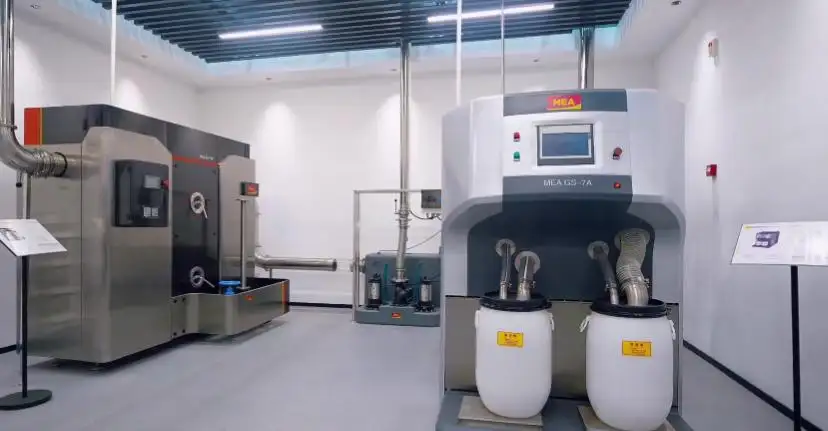
The MEA® HDPE Grease Trap and MEA® Full Disposal Grease Separator are built specifically to reduce these hidden costs. Instead of treating the trap as a simple box in the ground, the design considers material, hydraulics, cleaning, and automation as a whole system.
- Tough HDPE Shell, Light Enough to Handle By Hand
At the core of the MEA solution is high-density polyethylene (HDPE) with a solid 12 mm wall thickness and integrated molding. This gives you a unit that is:
•Resistant to corrosion and aggressive wastewater
•Unaffected by most cleaning chemicals and detergents
•Strong enough for long-term service, yet surprisingly light
Because the trap is not made from steel or concrete, contractors don't need large lifting gear just to get it into position. That immediately trims installation time and risk. In many projects, this difference in logistics has a bigger impact on Perimeter Drain Grease Trap Cost than a small price gap between products.
- Cleaner Separation, Less Emergency Maintenance
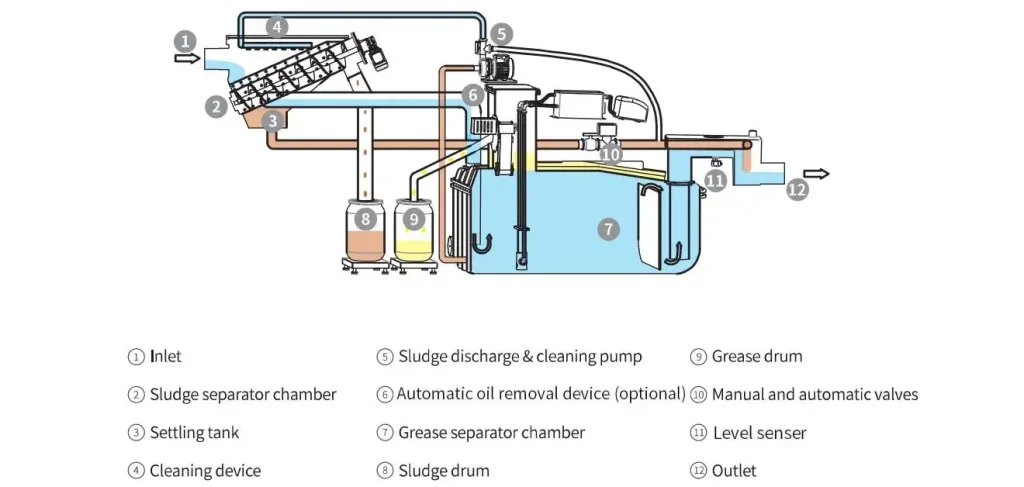
The MEA Full Disposal Grease Separator uses two-stage separation with a large sludge chamber and a spiral device that can handle a wide range of sludge sizes. The unit runs fully enclosed, helping keep odors inside the system rather than in the kitchen corridor.
Better separation and controlled sludge handling have two big cost benefits:
1. Downstream pipes and sewers stay clearer, reducing emergency call-outs.
2. Pump-outs and deep cleaning can be planned in advance, not rushed through after a blockage.
When you avoid emergency call-outs at the worst possible time, your Perimeter Drain Grease Trap Cost becomes steady and much easier to control.
- Automation, Monitoring, and Easier Cleaning
Unlike many traditional traps that depend on heavy manual work, MEA HDPE units use smart functions to keep the system running smoothly:
•Integrated cleaning device and agitator
•Manual or automatic mode for daily operation
•Optional automatic oil discharge (up to 25 L/h)
•Heating and constant temperature to avoid cold-weather clogs
•Level sensors and intelligent monitoring with automatic warnings
A self-cleaning brush and high-pressure flushing clear the internal surfaces with minimal effort. The sludge removal mechanism can reverse to release jams and reduce downtime.
For operators, this means fewer unpleasant jobs, less disruption during service, and a more predictable Perimeter Drain Grease Trap Cost over time. Over the lifespan of the system, these time savings reduce the "real" Perimeter Drain Grease Trap Cost far beyond the figure on the original quote.
Practical Ways to Keep Perimeter Drain Grease Trap Cost Under Control
Even with a well-designed product, the way you plan and operate the system will decide how much you really spend.
- Design for Access, Flexibility, and Future Changes
MEA HDPE grease traps are built with flexible installation in mind. They can be installed above ground or in shallow underground positions. Optional covers and risers make it easier to reach the unit later without tearing up floors or walls.
Good access from day one means:
•Less time spent setting up cleaning or inspection
•Lower risk that maintenance is delayed because it is "too hard"
•Reduced cost if the kitchen layout changes and you need adjustments
By thinking about access and flexibility early, you avoid paying twice for the same system. This is a simple but powerful way to reduce long-term Perimeter Drain Grease Trap Cost.
- Size the System for Real Life, Not Just Drawings
Oversizing a trap "just to be safe" can lead to unnecessary upfront spend. Undersizing leads to blockages, complaints, and fines. The ideal approach is to match the grease trap to real operating conditions:
•Expected number of meals per day
•Type of food prepared and grease load
•Peak discharge times and flow rates
Because MEA HDPE grease traps are available in a modular range, your designer can choose a capacity that reflects actual use. That way, you invest enough to protect the system but avoid over-spending on volume you do not need. Balanced sizing is one of the easiest ways to optimize Perimeter Drain Grease Trap Cost from both a CapEx and OpEx angle.
Ready to Rethink Your Grease Management?
If you are planning a new commercial kitchen, upgrading an older installation, or simply trying to escape constant drain problems, it's worth taking a closer look at how your current system affects your budget.
MEA HDPE grease traps bring together:
•Durable, corrosion-resistant HDPE construction
•Enclosed, odor-controlled operation
•Intelligent monitoring and automated cleaning support
•Flexible installation options for complex sites
Combined, these features make it easier to keep your Perimeter Drain Grease Trap Cost stable, transparent, and manageable - instead of a constant source of surprise.
Call to Action:
Considering a new project or a retrofit? Talk to your MEA representative or drainage engineer and ask them to review your existing setup. A properly sized, HDPE-based solution may be the fastest way to reduce risk, cut maintenance, and take control of your Perimeter Drain Grease Trap Cost over the long term.


