
Why Grease Separator Systems Improve Water Management for Food Processing Facilities
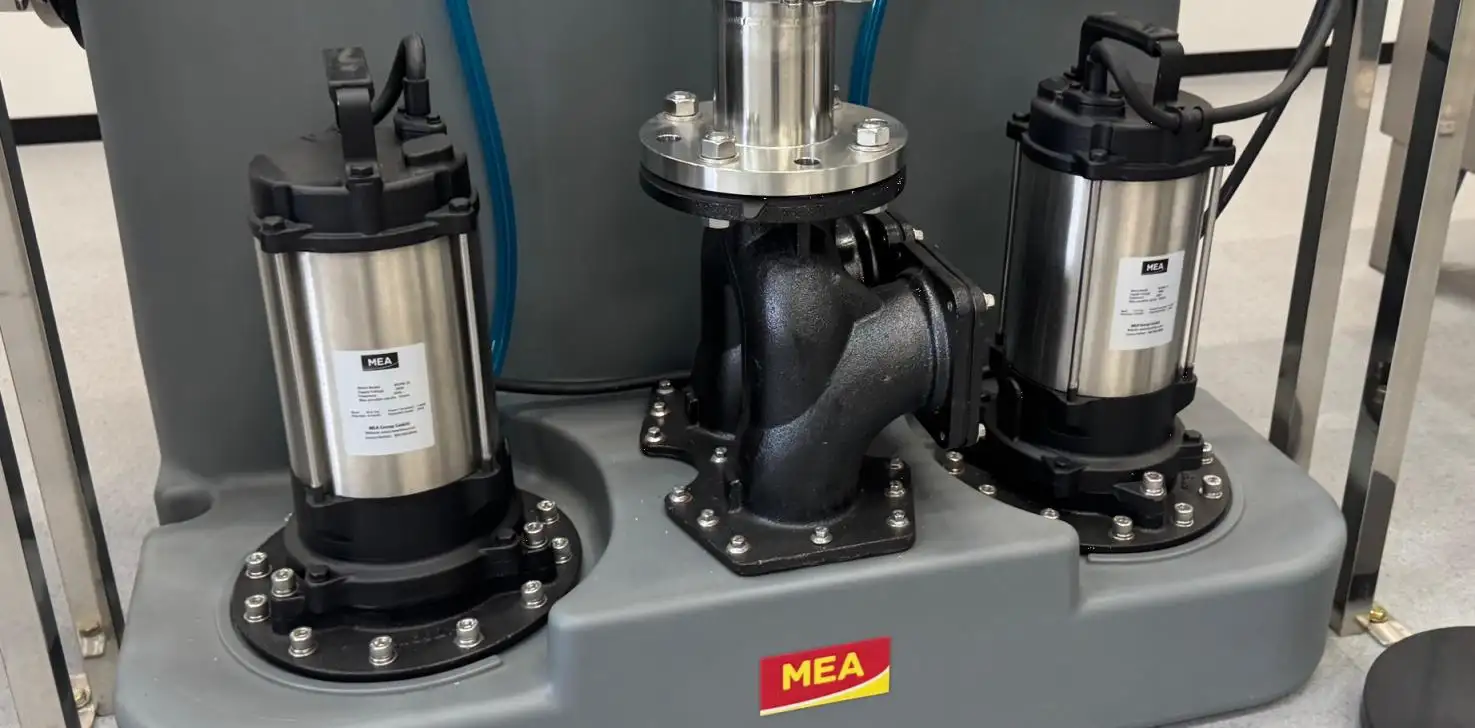
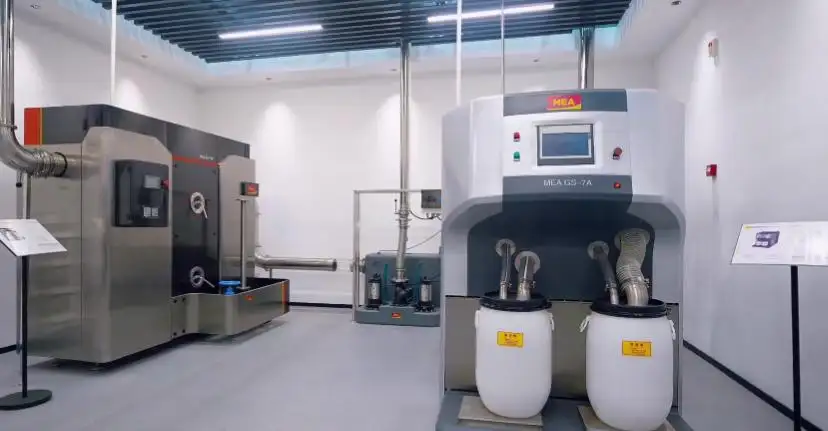
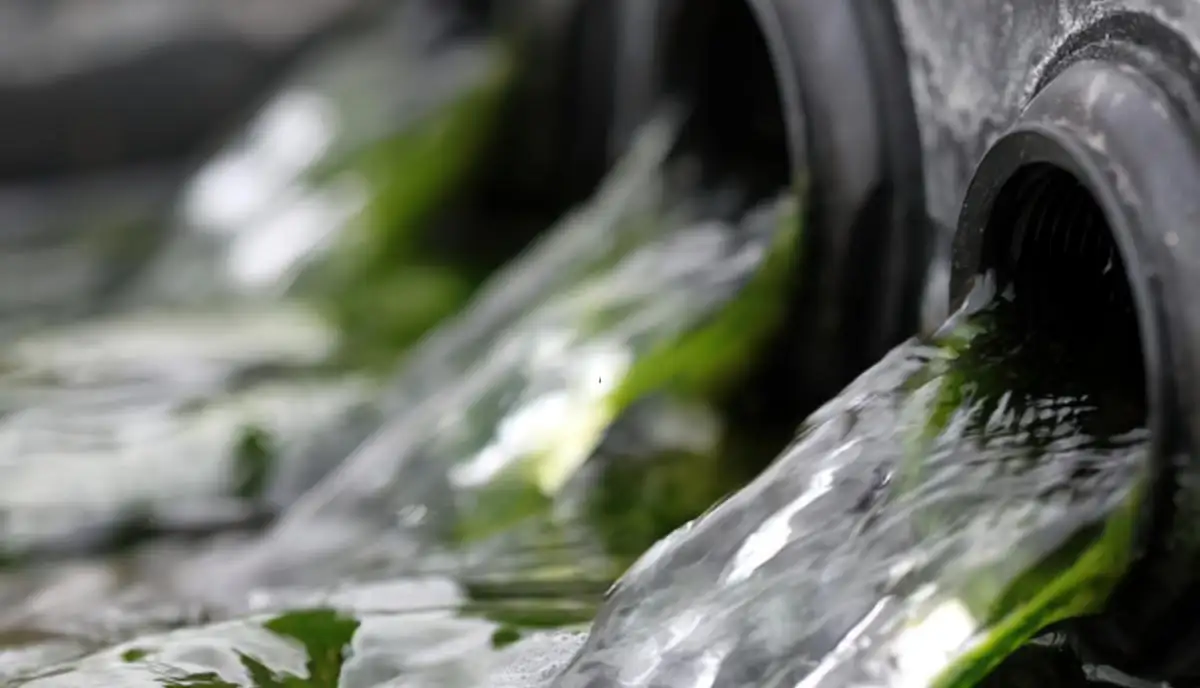
The quality of wastewater is an important part of daily operations for hotels, catering services, and food processing plants. Unlike domestic wastewater, the wastewater from commercial food services has high concentrations of fats, oils, and grease (FOG), food solids, and organics. If these components are not separated at the source, they can build up and increase the frequency of cleaning required as well as the wastewater treatment and reduce system efficiency.
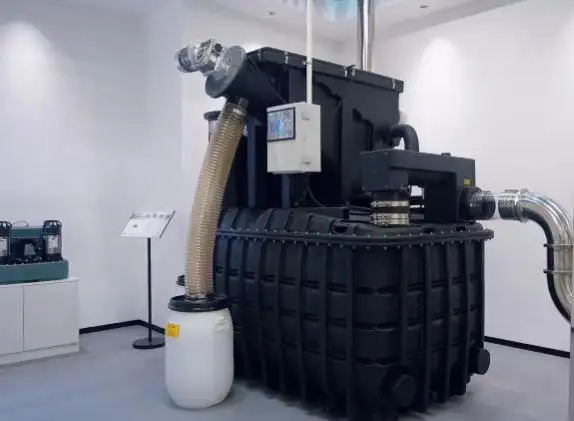
Grease separators provide an improvement in wastewater quality by removing pollutants and reducing grease and suspended solids discharge from a drainage system. Efficient grease separator design and the factors of hydraulic retention time, grease removal, separation chamber, and system maintenance are all crucial for the system to perform well.
Modern grease separation is therefore not simply a drainage accessory but an important part of wastewater management engineering.
Why FOG Control Determines Wastewater Quality Performance
FOG contamination mainly originates from:
• Cooking oil and animal fat residues
• Meat, dairy, and food preparation processes
• Dishwashing wastewater containing grease particles
• Cleaning processes that transport oil and organic matter
When hot wastewater enters the drainage system, grease remains liquid. However, as the wastewater temperature decreases, grease solidifies and attaches to internal pipe surfaces.
This presents many issues long after it happens.
| Wastewater Problem | Technical Impact |
| Grease Buildup | Blocked pipes due to a decrease in diameter |
| High Organic Loading | Increased COD load on wastewater treatment system |
| Suspended Food Solids | Fast sludge production |
| Decomposing Grease | Odors, hygiene concerns |
Grease separates these types of pollutants from wastewater. Separators create conditions with directed control in order to move rising grease and settling solid waste. Instead of wastewater being pushed through pipelines, grease separators allow for controlled conditions.
How Grease Separators Methodologies Improve Wastewater
Principles of Gravity Separation Based on Retention Time and Flow Control
The design of most used grease separators is based on controlled gravity separation. EN 1825 describes grease separators by defining their function of separating fats of vegetable and animal origin from wastewater.
The design of gravity separation includes the following:
- Restriction of flow in the inlet
• Wastewater flows into the separator chamber where it slows down.
- Solid sedimentation
• Heavy solid food waste moves to the sludge zone.
- Grease flotation
• Oil and grease have a lower density than water and rise.
- Wastewater separation
Wastewater with significantly less FOG flows out of the separator.
The key performance factors include:
| Parameter | Effect on Wastewater Quality |
| Hydraulic retention time | Longer retention allows more grease droplets to separate |
| Flow velocity | Excessive velocity reduces separation efficiency |
| Separation chamber volume | Determines grease storage capacity |
| Internal flow design | Prevents turbulence and improves flotation |
A grease separator should therefore be selected according to actual wastewater conditions rather than only pipeline size.
Selecting Grease Separator Capacity Based on Real Wastewater Conditions
Limiting grease separator selection to kitchen size is a common but dangerous error. There are many factors that must be taken into consideration when determining grease separator size, including flow rate, wastewater temperature and grease density, and even the use of chemical cleaning agents. EN 1825-2 selection methods incorporate factors such as the maximum wastewater flow, temperature, grease density, and effects of cleaning chemical agents.
An example of this would be:
• A restaurant may have peak operations for a short period of time, but may experience a high rate of grease discharge over that time.
• A hotel kitchen may generate wastewater that has fluctuating load as well as flow.
• A food processing plant may require higher sludge and grease storage capacity.
| Application | Wastewater Characteristic | Design Priority |
| Restaurant kitchen | High grease peaks | Stable flow handling |
| Hotel catering system | Continuous operation | Reliable separation efficiency |
| Food processing facility | High solids and FOG load | Large separation and storage capacity |
A correctly matched system allows a grease separator to improve wastewater quality consistently under real operating conditions.
Technology Comparison: Different Grease Separation Approaches
Passive Separation vs. Automatic Grease Separation
| Feature | Passive Grease Separator | Automatic Grease Separator |
| Separation principle | Gravity separation | Gravity + mechanical assistance |
| Maintenance | Manual grease removal | Reduced manual operation |
| Energy demand | Very low | Requires control components |
| Suitable for | Small and medium grease loads | High-load commercial applications |
Passive systems work well when grease production and maintenance needs are predictable. With automatic systems, priority is given to continuous operation, labor saving, and high hygiene standards.
Traditional Grease Trap vs. Advanced Integrated Separation System
Traditional grease traps operate primarily through the storage principle. Advanced systems achieve better wastewater quality through the introduction of additional processes:
| Two-stage separation | Improve grease and sludge separation |
| Automatic sludge removal | Effective chamber volume maintained |
| Level monitoring | Avoids overflow |
| Cleaning automation | Less residue accumulation |
How CMSA Grease Separator Design Improves Wastewater Quality
CMSA focuses on the needs of commercial kitchens and industrial drainage where the control of stable FOG is critical. They offer a variety of systems for grease separation.
The building material of a separator plays a big role in its lifetime. CMSA uses HDPE construction of 12 mm wall thickness. HDPE is highly resistant to corrosion and is strong against both chemical attack and prolonged contact with wastewater. In comparison with metal systems exposed to wastewater, HDPE is lightweight, strong, and corrosion-resistant.
Two-Stage Separation for More Stable FOG Removal
The CMSA grease separator has two chambers designed for the separation of solids and sludge and the flotation of grease. The greater amount of grease and solids that can be removed from wastewater improves water quality for downstream users.
These designs include:
• Large sludge separation chambers
• Several built-in overflow locations
• A spiral separation mechanism that handles larger sludge particles
• A reverse blade design to help move the material
Excessive buildup in the separator that can diminish separator efficiency is countered by these features.
Intelligent Control and Maintenance Features Improve Long-Term Performance
A grease separator ensures waste water quality throughout its operation. For this reason, Controls Manufacturers Supply & Automation, Inc. (CMSA) developed a system that combines intelligent control, automated cleaning, and structurally efficient components all for the purpose of stable long-term performance for commercial and industrial applications.
| Feature | CMSA Design Advantage |
| Level Sensor Monitoring | Automated control integrates level sensors and safety alerts for grease or sludge maintenance. |
| Automatic Operation Control | Includes a manual control for cleaning to adjust to different wastewater conditions Cycles can be automatic. |
| Two-Stage Separation System | Combines processes of sludge and grease separation to improve the removal of FOG and to enhance wastewater quality. |
| Automatic Cleaning Function | Comes fully equipped with self cleaning brushes and high pressure flushing for automatic cleaning to reduce grease build up and simplify maintenance. |
| Odor-Control Structure | Constructed with an enclosed design to reduce odor and to enhance sanitation within food service environments. |
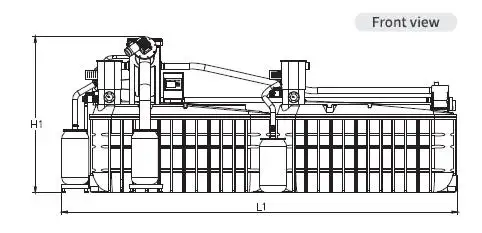
CMSA grease separators are constructed with integrated molding and a 12 mm HDPE wall thickness. This incorporates structural efficacy and corrosion resistance. The separator is designed with a large sludge removal chamber and multiple vortex overflow points and with a spiral separation device, reverse blade inscribed, capable of handling rough sludge ranging from 5-180 mm and also designed with advanced anti-clogging technology.
Other operational functions are:
• Optional automatic discharge of 25 L/h of oil
• Automatic continuous temperature heating to assist with sludge removal
• Reverse actuation of sludge removal components to avoid obstructions
• Intelligent control and automatic warning functions
• Detachable structure for ease of installation and maintenance
CMSA HDPE grease separator systems use an HDPE lightweight body designed for easy assembly and positioning without heavy equipment thanks to its transport design. Modular structure allows for different layouts and site designs while ensuring consistently reliable grease separation performance.
How Grease Separators Improve Wastewater Quality
When hydraulics, separation technology, materials, and maintenance all work together, grease separators can improve wastewater quality.
The right system for commercial kitchens or food-related facilities can help:
• Lower FOG discharge
• Preserve drainage system
• Improve facility hygiene
• Require fewer maintenance intervals
• Facilitate better wastewater management
CMSA's grease separation solutions for engineering grease separators consider the practicality of site installation, utilize long-term reliable grease separation and control performance systems. Through the integration of technical design and an application focus on customization, CMSA assists clients green wastewater management systems for their commercial and industrial facilities.
FAQs
Q1. How does CMSA grease separator improve wastewater quality?
CMSA grease separators improve wastewater quality by separating fats, oils, grease (FOG), and solid particles before wastewater enters drainage systems. The two-stage separation design helps reduce grease discharge and protects downstream pipelines from blockage and contamination.
Q2. What material is used in CMSA HDPE grease separators?
CMSA HDPE grease separators are manufactured using high-density polyethylene (HDPE) with a 12 mm wall thickness and integrated molding technology. The material provides corrosion resistance against harsh wastewater environments and chemical exposure.
Q3. What is the advantage of CMSA’s two-stage separation design?
The two-stage separation structure separates sludge and grease through different chambers. The first stage helps collect heavier solids, while the second stage improves grease flotation and wastewater clarification.
Q4. Can CMSA grease separators handle high sludge loads?
Yes. CMSA systems feature a large sludge separation chamber with multiple overflow points and a spiral separation mechanism designed to handle 5–180 mm sludge particles, helping reduce clogging risks during operation.
Q5. Does CMSA grease separator support automatic operation?
Yes. CMSA grease separators integrate intelligent control functions, including level sensor monitoring, automatic operation modes, and warning notifications to help operators manage maintenance requirements more efficiently.
Share on Social:


