
Grease Separator Benefits for Commercial Kitchens: Better FOG Management
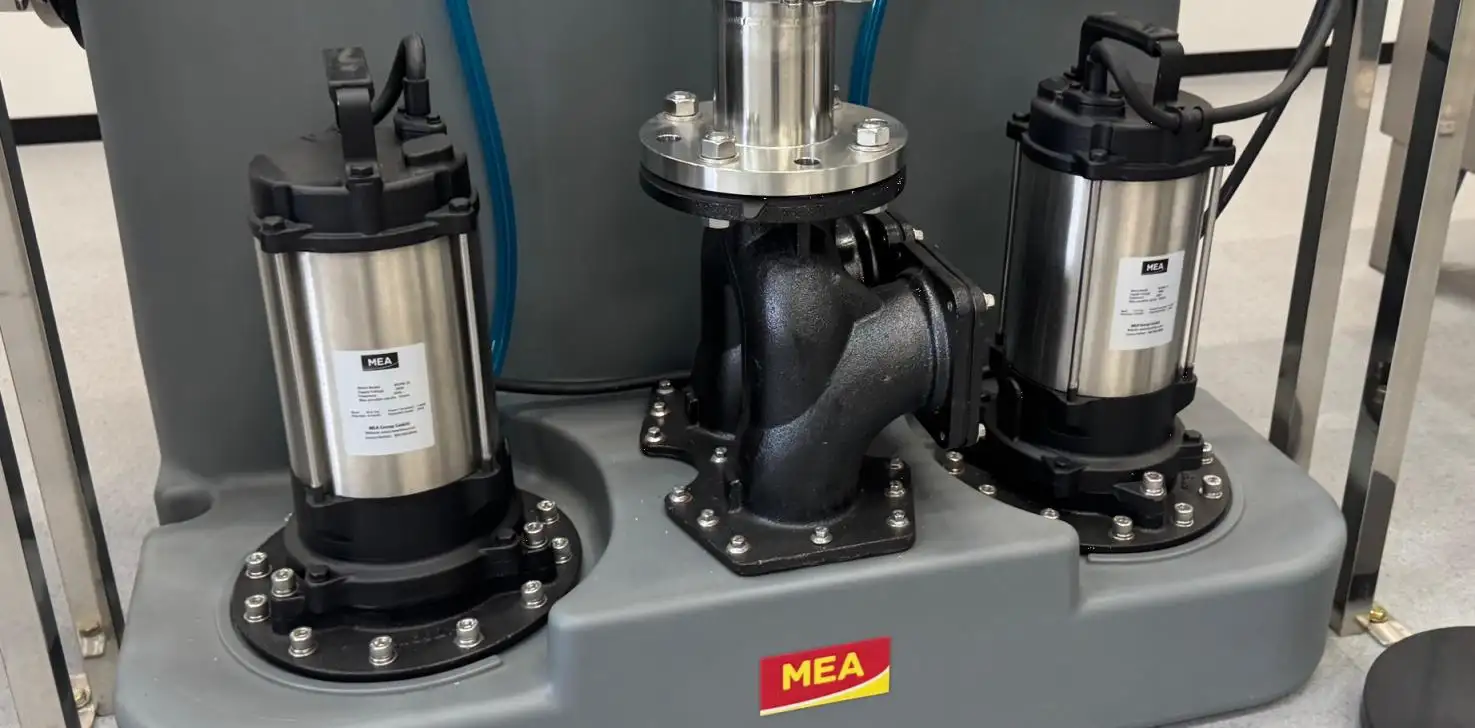

Daily wastewater discharges from commercial kitchens typically include fats, oils, grease (FOG), food waste, and cleaning products. The vast majority of wastewater contaminants do not change their properties as they travel. However, grease is an exception, because the properties of grease, especially cooking oil, can change as wastewater cools in the drainage system. Grease that was once liquid will solidify and begin to coat the inner walls of pipes in a grease deposit.
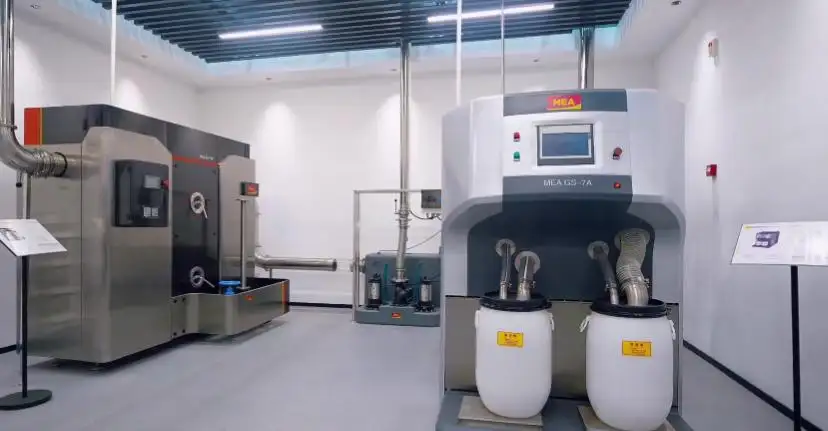
This is why using a grease separator for commercial kitchens is more complicated than just removing grease. A well-designed grease separator manages the disposal of FOG and keeps drainage systems clean, reduces maintenance costs, and helps a kitchen stay sanitary.
Modern kitchens, especially in hotels, restaurants, events, and food production, all need grease management systems customized for wastewater volume, grease loading, and cleaning routines based on the conditions of the installation.
Purpose of Grease Separators in Commercial Kitchen Wastewater Management
The Technical Problem: Accumulation of FOG in Drainage Systems
Wastewater generated in Commercial Kitchens usually consists of the following:
• Cooking oil residues from fryers and cooking equipment
• Animal fats from meat preparation
• Grease from dishwashing
• Food particles, and solid particles suspended in the wastewater
• Cleaning agents that impact grease.
When FOG enters the drainage systems the following issues can occur:
| Issue | Technical Cause | Effect |
| Restricted flow in pipes | Grease cools and stick to pipe wall | Less capacity to carry wastewater |
| Generation of bad odors | Decomposition of organic material | Unfavorable working environment in the kitchen |
| Increased cost of operation | High rate of accumulation of grease | Increased number of staff required for cleaning |
| Compliance risk of wastewater changes | FOG discharge that is excessive | Additional treatment is required |
Grease separators provide a solution by slowing wastewater to a velocity that enables controlled separation. This liquid/solid separation is based on the principle that greases, being less dense than solids, will rise to the top of the container. This principle of design for grease separators is outlined in EN 1825.
Core Grease Separator Benefits for Commercial Kitchens
1. Improving Drainage System Protection with Efficient FOG Separation
The first important benefit of a Grease Separator for a Commercial Kitchen is the protection of downstream drainage systems.
Designing a functional grease separator is a complex challenge for an engineer. Factors such as: wastewater flow rate, retention time, separation chamber volume, grease storage volume, and design checking for solids build-up affect the performance of a grease separator.
The most critical factor affecting the performance of a grease separator is the design of the separation chamber. The separation chamber must have a sufficiently long residence time for grease to float before wastewater exits the unit.
| Factors that affect design | Effect on Performance |
| Increased flow rate | Larger required separation volume |
| Longer retention time | Increases grease floating efficiency |
| Longer grease storage volume | Scales cleaning intervals |
| Consistent internal flow | Reduces grease carryover |
Simply selecting the largest grease separator in the market is not sufficient. Kitchens with high volumes of prepared food, or with high frequency of use for multiple dishwashers, require grease separators sized to fit the actual wastewater conditions. The ion 1825-2 provides critical information to assist selection of nominal separator size based on type of kitchen, wastewater flow conditions, and operational service.
2. Less Odor, Better Kitchen Hygiene
A grease build-up creates an unpleasant odor essentially from the microbes that decompose the food and grease in the uncontrolled areas of drainage.
For odor control in a commercial kitchen, the following aspects are important:
• Enclosure of the separation chamber
• Controlled grease build up
• Correct design of the ventilation system
• Reduced exposure to grease during control activities
CMSA specializes in hygienic performance enclosed grease separator solutions for demanding foodservice markets. The system combines grease separation, cleaning, and disposal functions within a sealed unit and therefore reduces odor escape during normal operation.
The enclosed grease trap design provides kitchen operators with more control and less mess from grease maintenance.
3. Lowering Maintenance Requirements Through Automated Cleaning Design
The most crucial area of any evaluation of Grease Separator Benefits for Commercial Kitchens is maintenance.
Traditional grease traps necessitate manual opening and emptying of grease as well as regular checks for routine operation. Especially in high-volume kitchens, this increases labor as well as operational time constraints.
Grease separator technologies have addressed maintenance by adding:
• Integrated cleaning mechanisms
• Agitation systems for grease removal
• Automatic or manual control
• Internal system visualization
CMSA's grease separator technology provides an integrated cleaning mechanism and an agitator. The double sightglass design allows maintenance personnel to determine the environmental conditions and thus the requirement for maintenance.
The technology chosen is designed to maintain the system in a clean operating state while avoiding excess grease accumulation within the separator.
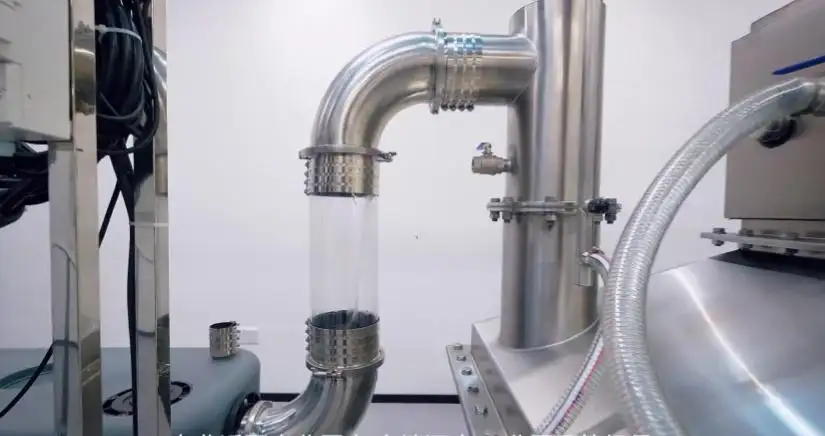
Consideration for Separating Commercial Kitchen Designs
Passive Grease Traps or Full Disposal Grease Separators
Several distinct styles of kitchens exist, and the degree of automation that may be applied is associated with the style of kitchen.
| Comparison | Passive Grease Trap | Full Disposal Grease Separator |
| Separation Method | Gravity separation | Separation + integrated cleaning/disposal |
| Grease Removal | Manual Operation | Controlled Disposal Process |
| Labor Requirement | Higher | Lower |
| Suitable Applications | Small Kitchens | Hotels, commercial kitchens, catering facilities |
| Odor Control | Depends on design | Improved through enclosed operation |
Some small foodservice operations may likely find passive grease control systems adequate. However, large commercial kitchens must have systems to improve operational efficiency and continuously remove grease.
Engineering Factors When Selecting a Commercial Grease Separator
Match Separator Capacity to Kitchen Conditions
The factors that must be examined while selection of a separator include:
• Daily meals served
• Cooking equipment
• Volume of wastewater discharged from dish washers
• Peak wastewater flow
• Volume of cleaning chemicals used
An undersized separator will result in hydraulic overload and reduce separation. An oversized separator will result in a higher cost of investment and unnecessary large space.
A balanced design requires consideration of wastewater properties and maintenance requirements.
Material Selection for Continuous Kitchen Operation
Commercial kitchens subject wastewater equipment to:
• High humidity
• Constant cleaning
• Wastewater at high temperature
• Organic acids from food
CMSA grease separators are constructed of stainless steel to ensure resistance to corrosion and provide durability.
The system has:
• Stainless steel construction for internal components
• Construction of the separation chamber
• An enclosed design
• A maintenance structure that allows easy access
These features allow a system to perform reliably when continuously used.
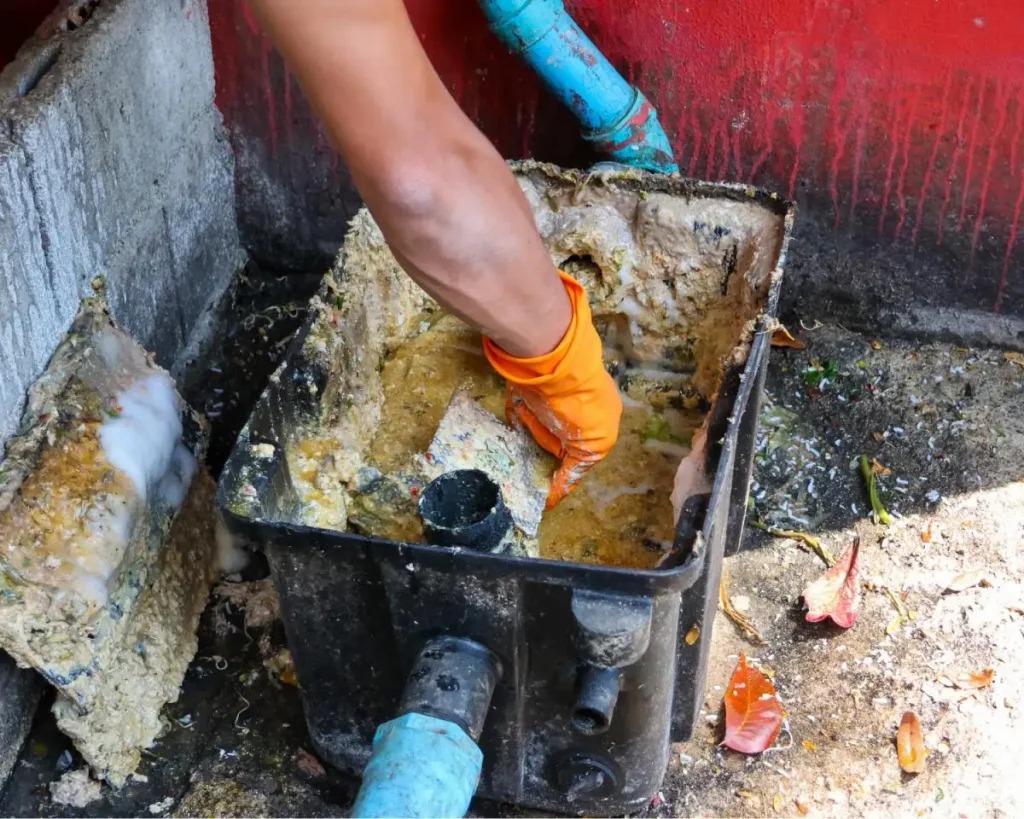
CMSA Grease Separator Design Features for Commercial Kitchen Applications
CMSA's grease separator technology offers an integrated system for grease separation, collection, cleaning, and disposal for high-load commercial kitchens and food preparation areas.
| Grease Separation System | Design | Benefit |
| Enclosed Grease Separation System | Seperation Chamber of 2.5 mm stainless steel | Decreased leakage of odors and increased system durability |
| Cleaning and Agitation System | Cleaning Device, Agitator, and Centrifugal Pump | Reduced time and effort for removal of grease |
| System Control | Manual/Automatic Controls, Control Cabinet | Adjust control of the system based on the needs of the kitchen |
| Ease of Inspection | Double Sightglass, 400 mm Manhole | Faster system observation, monitoring and service |
| Breathing and Disposal | Vent Port DN100, Disposal Device DN65 with a cutting vane pump | Stable system, controlled operation, and effective grease discharge |
Key benefits include:
• Proven performance in the commercial kitchen operations
• Superior integrated control systems
• Easy to clean design
• Proven control of odor and improved hygiene
CMSA offers a complete line of grease separators for all commercial kitchen wastewater FOG needs.
Closing Comments
The real benefits of a Grease Separator for a Commercial Kitchen are a complete solution that offers effective FOG separation, infrastructure protection, easy maintenance, and superior hygiene control.
CMSA offers engineered grease separator systems for commercial kitchen infrastructure that are designed for enclosed operation, cleaning functionality, and stainless steel durability.
CMSA provides custom recommendations and advice for restaurants, hotels, and foodservice facilities planning to construct new drain systems or enhance existing wastewater management systems based on the kitchen conditions and operational needs.
FAQs
Q1. What are the main Grease Separator Benefits for Commercial Kitchens?
CMSA grease separators provide commercial kitchens with an efficient solution for the control and disposal of fats, oils and grease (FOG). This results in less blockages, odor problems, and reduces the burden of maintenance.
Q2. How does CMSA grease separator technology separate grease from kitchen wastewater?
CMSA grease separators utilize a controlled separation chamber in which the flow of wastewater is reduced and allows for the grease to float and collect, while the solids will sink.
Q3. Are CMSA grease separators appropriate for high-load commercial kitchens?
Yes. CMSA provides solutions for grease separators designed specifically for high load conditions found in hotels, restaurants, catering facilities and large food preparation areas.
Q4. How does CMSA reduce odor problems during grease separation?
The enclosed construction design of CMSA grease separators limits the escape of odors from the units. This design also enhances the hygienic conditions during the operation and maintenance of the units.
Q5. What maintenance advantages do CMSA grease separators provide?
CMSA provides solutions which simplify the removal of grease through the integration of devices and the use of agitators. Double sightglasses allow operators to better determine the state of both the grease and the sludge.


