
Smart Sewage Lifting Pumps Prevent Drainage Failures with Intelligent Control
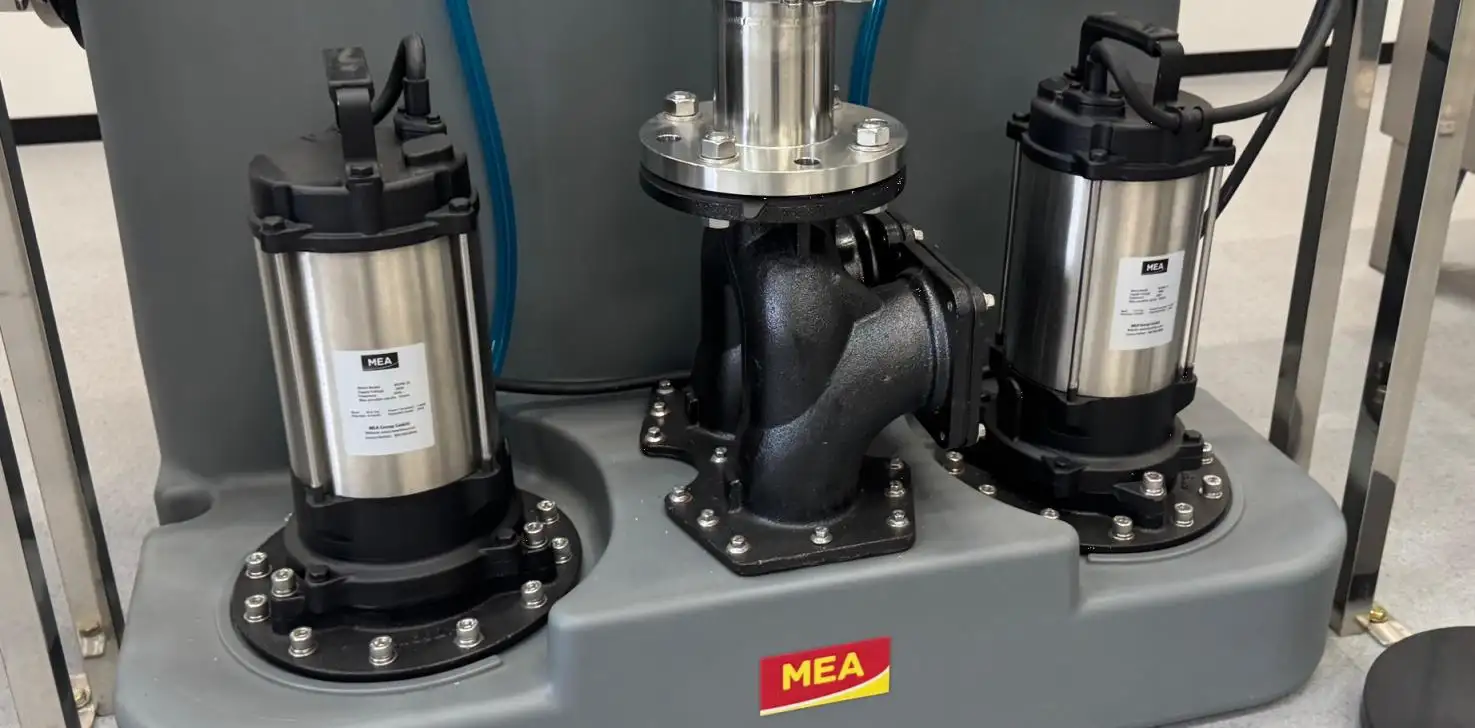
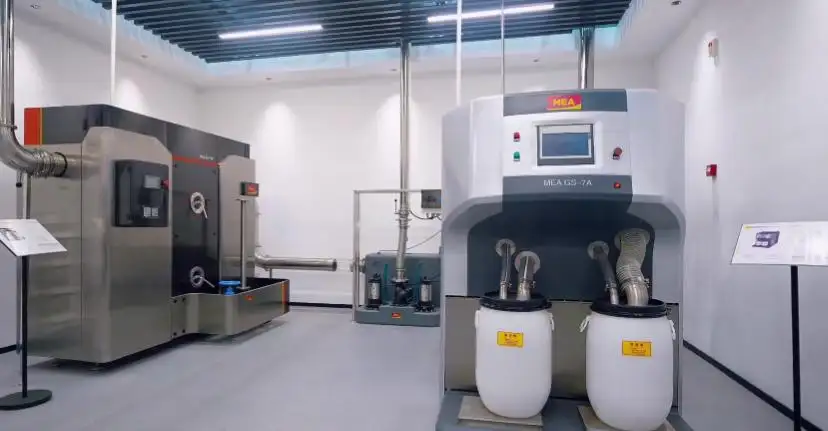

Why Smart Sewage Lifting Pumps Stand Apart from the Rest
Sewage lifting systems fill a necessary role in buildings where wastewater outlets are positioned lower than the municipal sewer level or where gravity drainage does not provide sufficient slope. However, drainage failures occur when pumping systems are built and controlled as simple transfer systems, as opposed to being built as a complete and controlled hydraulic system.
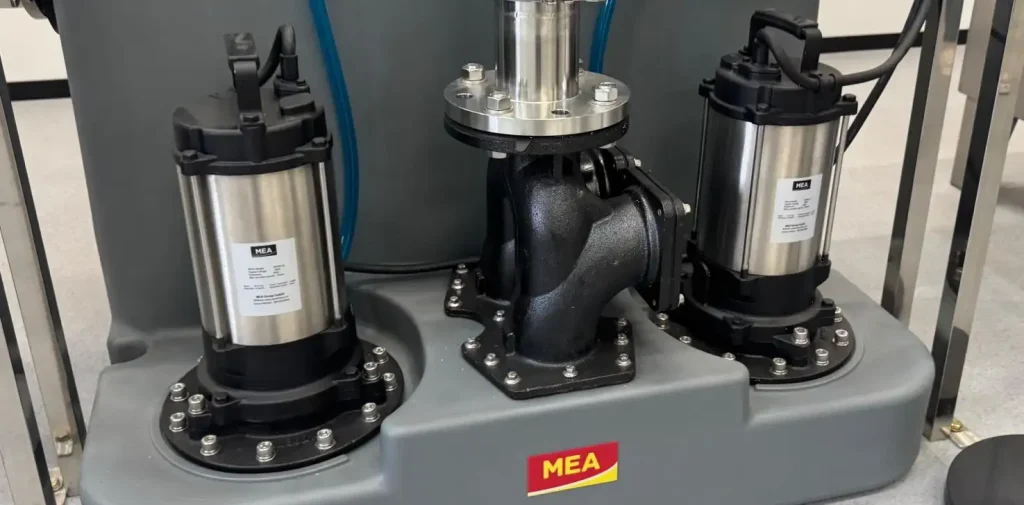
It is important to consider multiple challenges in order to design a reliable sewage lifting system. For instance, a sewage lifting system must address varying inflow of wastewater, system losses, system lift height, suspended solids, elevated peak discharge of wastewater, and starting and stopping of the pump.
Smart Sewage Lifting Systems incorporate accurate liquid level detection, integrate automated pump control, and include enough hydraulic control to ensure reliable drainage systems while limiting the potential for unplanned maintenance or failure.
Why Sewage Drainage Failures Happen
A sewage lifting pump failure is rarely from a single component. In almost every case, the issue is a poor match of operating conditions to system design.
1. Finding the Right Hydraulics
Pump design is a balance between flow rate and total dynamic head (TDH).
Total design lift of a pump includes:
• Vertical lifting
• Pipe friction losses
• Pressure losses in valves and fittings
• Pipe pressure
A pump designed only for flow may operate normally in average conditions, but will fail in peak wastewater discharge, as the actual system resistance is greater than expected.
| Hydraulic Factor | Influence on Drainage Performance |
| Flow Rate (m³/h) | Determines rate of wastewater removal |
| Total Head (m) | Determines lifting height |
| Pipe Diameter | Influences flow resistance and pipeline blockage |
| Pump Efficiency | Influences energy consumption and operational stability |
Smart Sewage Lifting Pumps eliminate drainage failures by using intelligent control systems in order to stably operate pumps instead of over-sizing pumping capacity.
2. Unstable Level Control Creates Overflow and Excessive Pump Cycling
Basic float switches may be sufficient for simple municipal sewage systems, but wastewater may affect mechanical movement in several ways, such as grease deposits, sludge, and other contaminants.
Excessive pump cycling results in several problems such as:
• Increased motor starting currents;
• Advanced mechanical wear;
• Reduced service life of the pump; and
• Unreliable drainage.
Smart wastewater lift pumps use liquid level monitoring systems coupled with logic to control the optimum pump start point. The pump starts only when the wastewater level reaches the designated operating level and stops after discharge to improve both reliability and efficiency.
How Smart Sewage Lifting Pumps Prevent Drainage Failures Through Advanced Design
Large Non-Blocking Flow Channels Improve Solid Handling Capability
Most wastewater systems have food particles, fibers and suspended solids. Internal pumping passage which is too small will become a passage of restricted flow.
CMSA lift pump solutions provide large non-blocking channels and durable metal impeller technologies with hydraulic designs that provide improved wastewater systems for suspended solids transfer and reduce the risk of pump blocking.
Important design features include:
• Large passageway within the pump for better flow of wastewater
• Low probability of waste accumulation
• More stable operation under varying wastewater conditions
• Less frequent manual cleaning
This design provides reliable and consistent drainage for waste from greasy kitchens and solid waste.
Longer Lasting Materials Increase Resistance to Long-Term Wastewater Effects
The corrosion resistance of materials used in the manufacture of equipment utilized in the lifting of sewage systems impacts the expected lifespan of the equipment.
CMSA builds corrosion resistant equipment into its sewage lifting systems. Included in these systems are:
| Component | Material Selection | Engineering Benefit |
| Collection Tank | HDPE | Lightweight, corrosion resistant |
| Pump Body | Ductile Iron | High mechanical strength |
| Impeller | Metal Structure | Improved durability and solid handling |
| Fasteners | SUS304 | Better corrosion resistance |
| Mechanical Seal | SiC | Improved sealing performance |
Selecting these materials helps the system to operate in a stable manner in wet environments such as basements, pump chambers, and commercial kitchens.
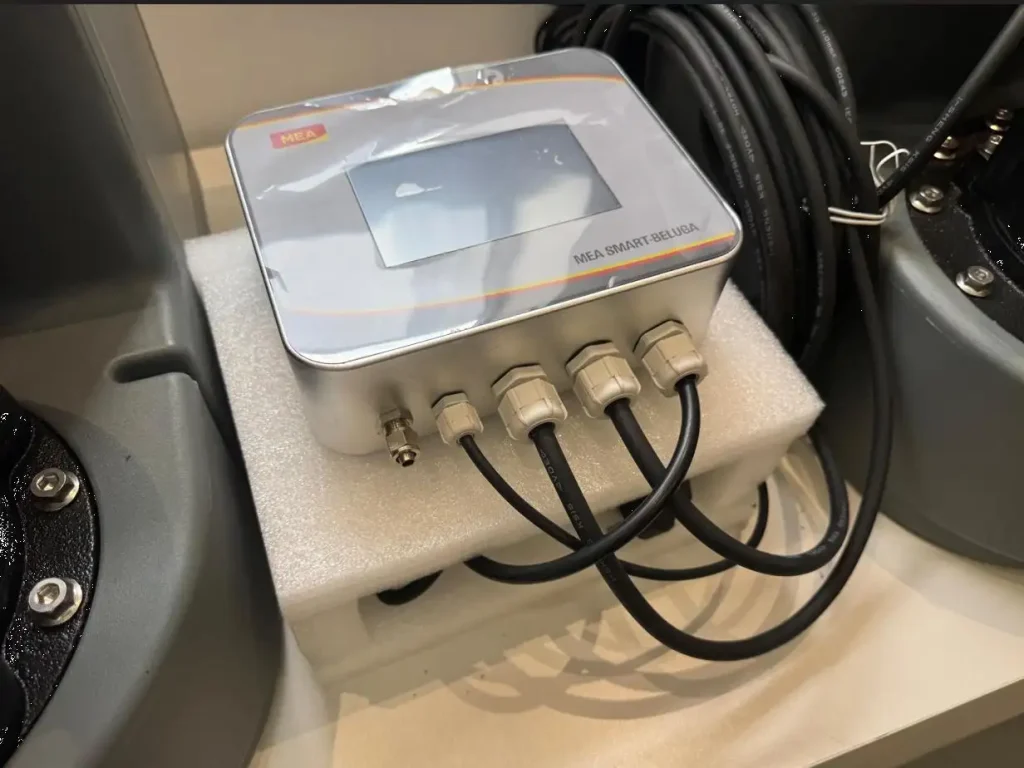
Intelligent Control Systems That Improve System Reliability
Air Pressure and Liquid Level Control for Accurate Operation
A smart system uses air pressure to control liquid levels, improving accuracy of system operation.
When compared to simple mechanical controls, this design offers:
• More stable water level detection
• Decreased unnecessary pump starts
• Enhanced reaction to fluctuations in wastewater levels
• Better protection against overflow conditions
This design of smart control systems is the main reason why Smart Sewage Lifting Pumps Prevent Drainage Failures in applications where drainage interruption is not an option.
A redundant system lessens the probability of system failure due to defective system equipment. This means failure of system equipment during normal operation and during planned system downtime for scheduled system equipment maintenance.
Reliability by Dual Pump Configurations
Reliability is improved in our sewage lifting systems by the use of dual pump configurations.
| Operation Mode | Function |
| Alternating Operation | Equal distribution of work hours between pumps |
| Backup Operation | Drainage is maintained when one pump fails |
| Peak Demand Operation | Increased wastewater capacity |
This option is most suitable for wastewater systems having unpredictable loads.
Analyzing Different Methods of Sewage Lifting System Design
| Design | Strengths | Limitations |
| Single Traditional Pump | Lower first cost | No backup |
| Dual Smart Pump System | Higher reliability and operational | Increased cost |
| Float Switch Control | Simple design | Measuring accuracy |
| Intelligent Level Control | Flexible and automatic control | Integrated controls required |
| Standard Impeller Pump | Wastewater with low solids | Clean waste water |
| Metal Impeller Pump | Highly abrasive waste water | Higher cost |
Smart Sewage Lifting Pump Selection
Different wastewater environments call for different system priorities.
| Requirements | Application |
| Commercial Kitchen | Solid waste and control |
| Basement Drain | Automated |
| Public Buildings | Continuous |
| Domestic Wastewater | Low maintenance and easy to install |
CMSA waste water pumps with multiple water inlets designed for kitchen and domestic wastewater applications, also includes an external control cabinet, designed for easy system control and monitoring for operators on a day to day basis.
Designed for new waste water systems or drainage system upgrades.
Operation and Maintenance Strategies
While state of the art pumps have been installed, years of experience and operational knowledge still rely on the design, engineering practice in combination with operating knowhow to ensure the system is designed to achieve the required performance and to extend equipment life.
A few design considerations include:
• Design based on actual waste water load
• Compliant discharge piping design
• Accessibility of maintenance points
• Control sensor check
• Abnormal operation such as excessive noise, vibration and cycling
A well designed system minimizes premature failures.
Final Words
The combination of intelligent control, liquid optimization, solid control, and wear resistance provides a wastewater solution consisting of one hydraulic system.
CMSA's sewage lifting systems apply IP68 protection, large non-blocking channels, metal impellers, a dual pump arrangement, and a smart liquid level control system to ensure uninterrupted reliable wastewater transfer in the most challenging circumstances.
For applications where sewage management must be assured, CMSA provides lifting pump solutions for drainage systems that ensure reliability and practicality of drainage systems, minimize system maintenance, and enhance system longevity.
FAQs
Q1: How do CMSA sewage lifting pumps avoid drainage breakdowns?
A1: CMSA sewage lifting pumps avoid drainage breakdowns due to their intelligent control of liquid levels, hydraulic design, and quality components. The system operates the pumps based on the level of wastewater. This avoids overflows and stabilizes the system while minimizing pump cycling.
Q2: What types of wastewater do CMSA sewage lifting pumps deal with?
A2: CMSA sewage lifting pumps are designed for kitchen and domestic wastewater. They are able to deal with wastewater with suspended solids, thanks to their stable flow and large non-blocking channels.
Q3: What type of control technology does CMSA use for its sewage lifting pumps?
A3: Sewage lifting pumps by CMSA use liquid level control and air pressure to sense the state of wastewater and adjust pump cycles accordingly. This technology gives much better results over the traditional fixed mechanical control systems.
Q4: What benefits do CMSA's two independent pumps for sewage lifting systems offer?
A4: CMSA uses two independent pumps for sewage lifting systems. Each pump allows the system to perform backup operations. In cases where a pump needs maintenance, the other pump is still able to perform wastewater transfer and avoid breakdowns.
Q5: What level of protection do CMSA sewage lifting pumps provide?
A5: CMSA sewage lifting pumps have an IP68 rated enclosure that provides a high level of protection even in wet and submerged environments. This type of protection enables these pumps to be used in a variety of environments while remaining safe for operation.
Share on Social:


