
Hygienic Drainage for Healthcare Facilities |Medical Drainage Solutions


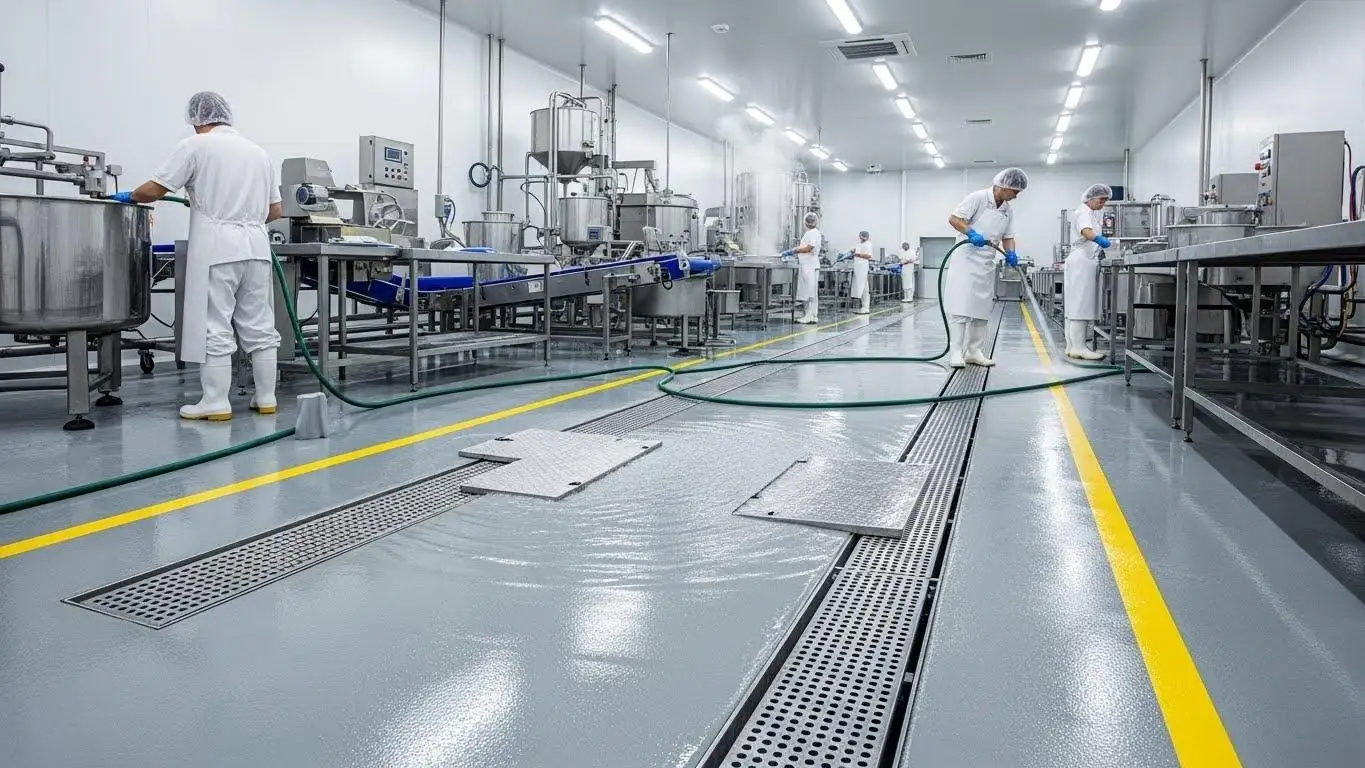
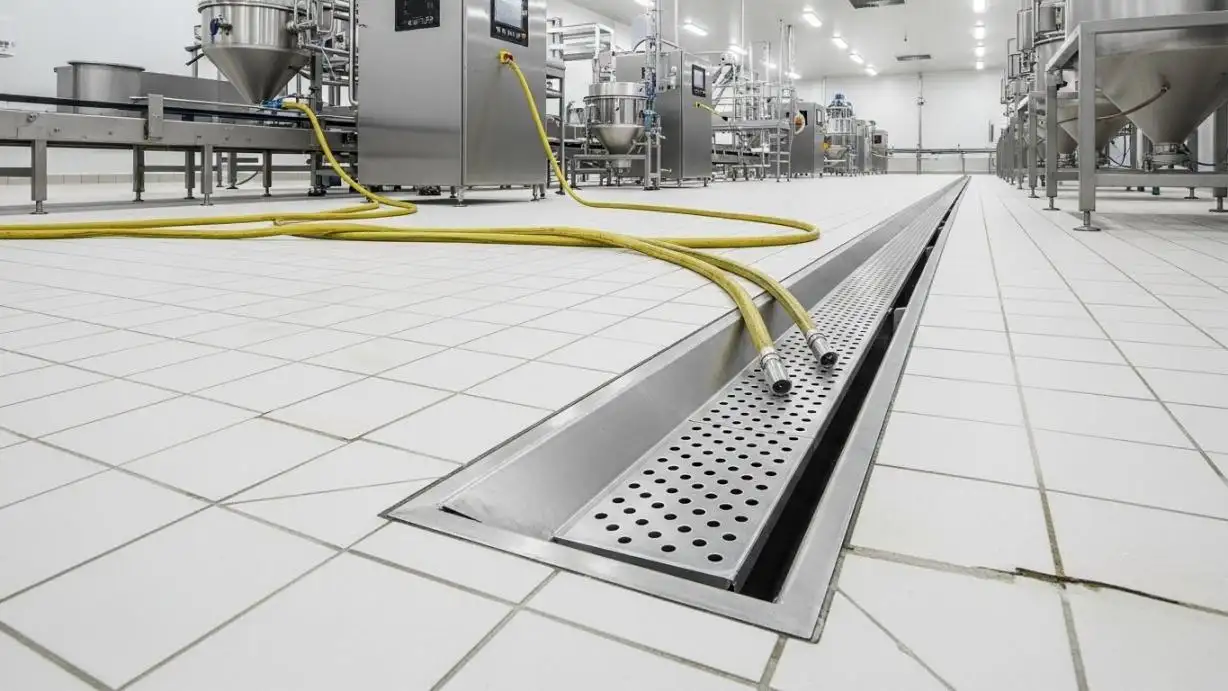
Healthcare Facilities Hygienic Drainage: Health, Safety, and Compliance
Hygienic drainage of the healthcare facilities is not a luxury; in current healthcare facilities, it is a vital factor in infection control, patient safety, and efficiency. Hospitals, laboratories, clinics, and pharmaceutical plants are dealing with large amounts of water, wastewater, as well as liquid medical waste, day after day. In the absence of well-planned and hygienic drainage systems, such facilities are prone to cross-contamination, bad smell, and non-compliance with regulations.
This is an all-encompassing guide to healthcare facility drainage systems, which provides a perspective on the design, materials, maintenance, and compliance. It also shows innovative products such as MEA(r) ladder grating floor drains and stainless steel hygienic drains, which offer convenient ways of effective and safe drainage within a medical setting.
The Importance of Hygienic Drainage in Medical Facilities
Healthcare is a special sphere where hygiene takes the first place. Several sources of water need to be handled in hospital hygienic drainage systems: ICU units, operating rooms, kitchen, laboratories, and pharmaceutical production sectors. The drainage system should avoid contamination and should shield patients, the staff, and visitors against exposure to pathogenic agents.
Some of the Critical Reasons Why Healthcare Facilities Need Hygienic Drainage Include:
Infection Control: Appropriate drainage will eliminate cross-contamination by wastewater and decrease hospital-acquired infections (HAIs).
Odor Management: MEA(r) ladder grating floor drains have odor management characteristics, including seals on the water and anti-bacterial surfaces to avoid foul odor.
Regulatory Compliance: Hospitals should obey the rules of WHO, CDC, HACCP, and ISO, and make sure their drainage systems comply with the sanitation requirements.
Operational Efficiency: The appropriate drains can minimize maintenance interruptions and assist in fast cleaning, which is critical in a high-traffic zone, like an operating room or hospital kitchen.
Basic Building Blocks of Healthcare Drainage Systems
The drainage system of a medical center is usually configured with several integrated elements:
Hygienic Floor Drains: Hygienic floor drains an anti-bacterial, slip-resistant, and easy-to-clean drains used in ICU rooms, operating theaters, and the kitchen of hospitals.
Stainless Steel Drains: Stainless steel drains are fabricated of 304 or 316L stainless steel, which are resistant to corrosion; they are easy to clean and provide a sterile environment.
Trench Drains: These are applied in laboratory applications and medical production areas in order to manage large water volumes and chemical wastes.
Backflow Prevention Systems: Prevent the entry of biased fluid in sterile spaces.
Drain Filters and Taps: Secure debris and avoid clogging, and keep the water seals to keep the odor and bacteria movement off.
Industry-Specific Applications
There is no universal answer to healthcare drainage. There are specific needs in different parts of a facility:
Operating Rooms & ICUs
The operating rooms and the ICUs cannot compromise on infection control. In order to ensure cross-contamination does not occur, the ICU drainage systems incorporate anti-bacterial floor drains and modular stainless steel drainage systems that help to keep the environment sterile.
Pharmaceutical Areas and Laboratories
Laboratories generate chemical and biological wastes and they need laboratory drainage systems that do not corrode, readily sanitized, and they must be able to deal with special wastewater streams.
Patient Care Areas
The drainage in the patient care areas is very important to the safety of patients due to high foot traffic, bed movement, and frequent cleaning. Ladder grating floor drains will offer non-slippery surfaces and also offer rapid circulation of water and sanitation.
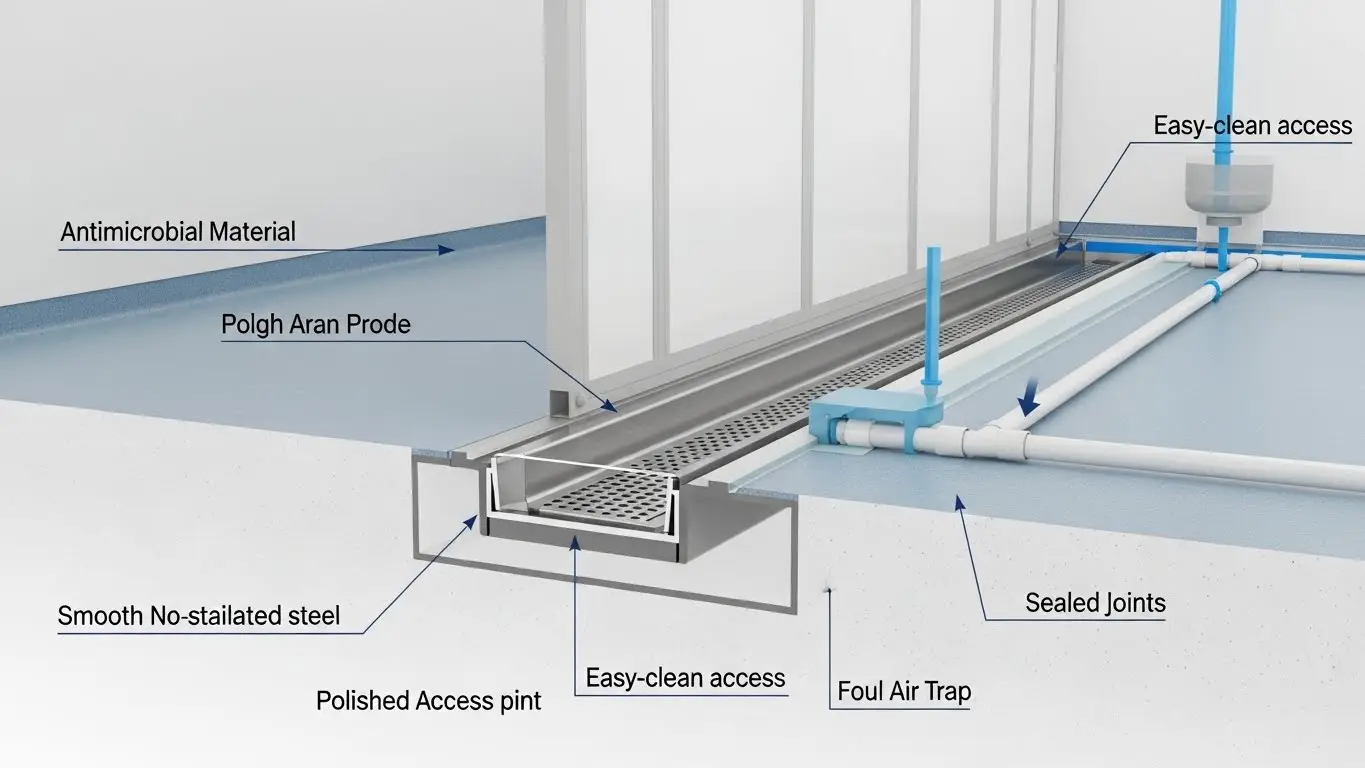
Advanced Drainage Systems in Healthcare Institutions
MEA(r) Ladder Grating Floor Drain
MEA(r) floor drain ladder grating (Model: BC-G200.500L) is a drainage floor designed with hygienic and safety requirements of the healthcare facilities.
Features:
Constructed using 304 / 316L stainless steel that is passivated, electropolished, or sandblasted, to increase hygiene.
Ladder-type grate offers anti-slip protection and allows high drainage properties.
In accordance with EN 1253 (indoor) and EN 1433 (outdoor).
The modular design can be easily cleaned, inspected, and maintained.
Hygienic Stainless Steel Drains
The hospital drains are stainless steel, necessary to have long-lasting, corrosion-free, and easily cleanable drainage. Features include:
- Bacterial resistance surfaces are made smooth.
- Removable water trap 50mm water seal.
- Rapid deployment by modular installation and minimum disturbance.
- High-volume healthcare Anti-clog.
Maintenance, Hygiene Factors
Hospital hygienic drainage systems are to be maintained regularly and in good condition:
Regular Cleaning: Clean the surfaces of drains and traps with approved disinfectants.
Preventive Maintenance: Make a check of water seals, traps, and pipework to avoid clogs and leaks.
Grease and Solid Separation: Clean grease traps and filters on a regular basis to prevent blockages.
Compliance Tests: Make certain of compliance with the local healthcare and environmental standards.
Regulatory Compliance
Healthcare drainage solutions should be of high standards:
- WHO/CDC Guidelines: Infection control and management of wastewater.
- HACCP Compliance: Essential in hospital kitchens and pharmaceutical facilities.
- ISO & Local Plumbing Codes: Make sure that the standards of durability, safety, and hygiene are achieved.
- Lack of compliance may cause regulatory fines, a higher risk of infection, and low efficiency.
Green and Environmentally-Friendly Solutions
Sustainable drainage solutions are becoming more popular in modern healthcare facilities:
- Drains that are efficient in the use of water save on the use of water.
- Environmentally-friendly materials reduce environmental effects.
- Smell-free systems save on the use of chemicals in cleaning.
- Such strategies assist in achieving hospital sustainability objectives and also in observing high standards of hygiene.
Selecting the Appropriate Healthcare Drainage System
When choosing drainage solutions for a medical facility, consider:
- Type and Load of facility: ICU, OR, lab, or kitchen.
- Flow Capacity Requirements: high and low volume areas.
- Durability of Material: Stainless steel is expected to perform well in the long term.
- Maintenance Ease: Removable and modular parts.
- Compliance Requirements: WHO, CDC, HACCP, and ISO standards.
- Cost and ROI: Trade-off installations cost against long-lasting maintenance efficiency.
Conclusion
Hygienic drainage for healthcare facilities is inseparable from effective hygienic drainage as a factor in designing, running, and maintaining the safety of the hospital. With the adoption of the best stainless steel drainage systems, ladder grating floor drains, modular trench systems, and heavy maintenance procedures, a healthcare facility can maintain its infection prevention, absence of odor, and adherence to regulatory guidelines.
Master's such as MEA(r) floor drains, such as ladder grating, stainless steel modular drainage floor drains, and hygienic performance and safety are the best products in case of hospitals, laboratories, kitchens, and patient care areas. To receive professional help, product selection, and installation tips, stop by CMSA-MEA.


