
Hygienic Drainage for Hospitals | Safe & Reliable Solutions


Introduction
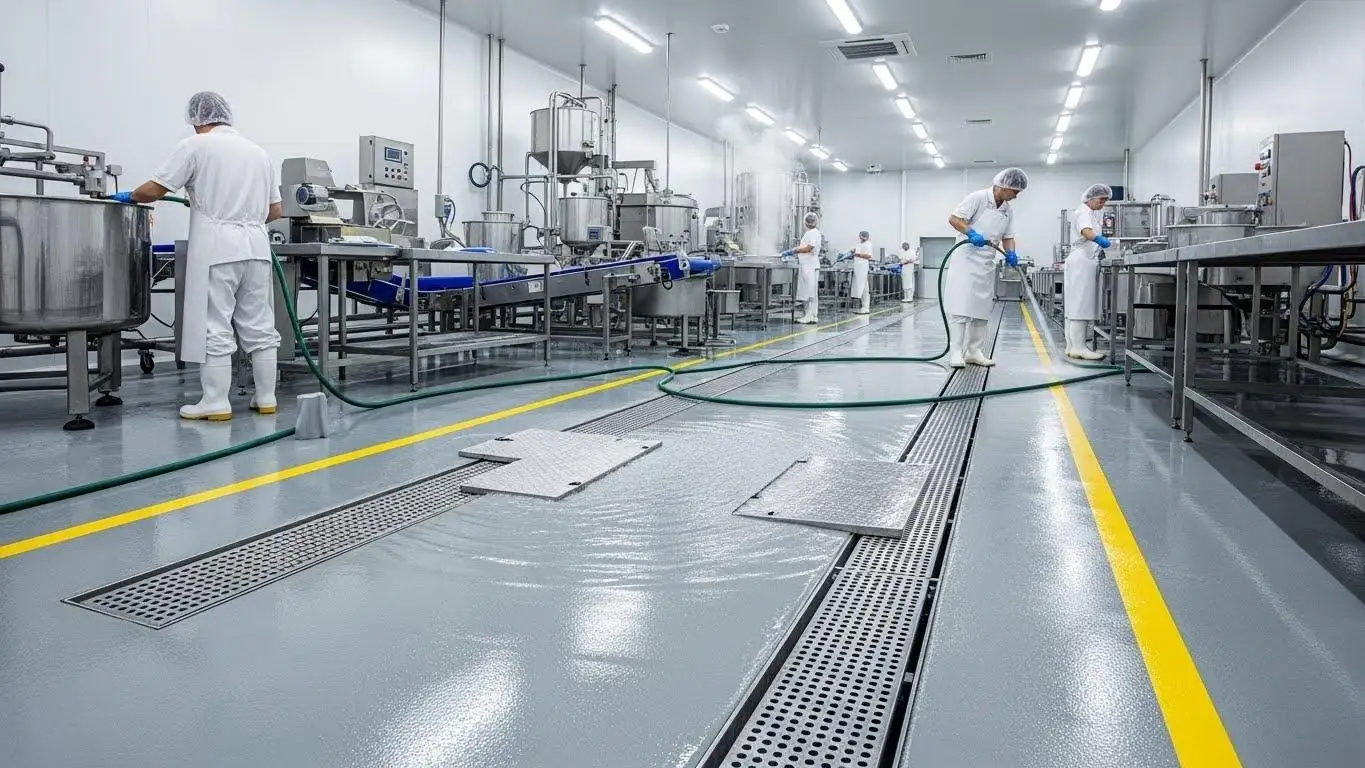
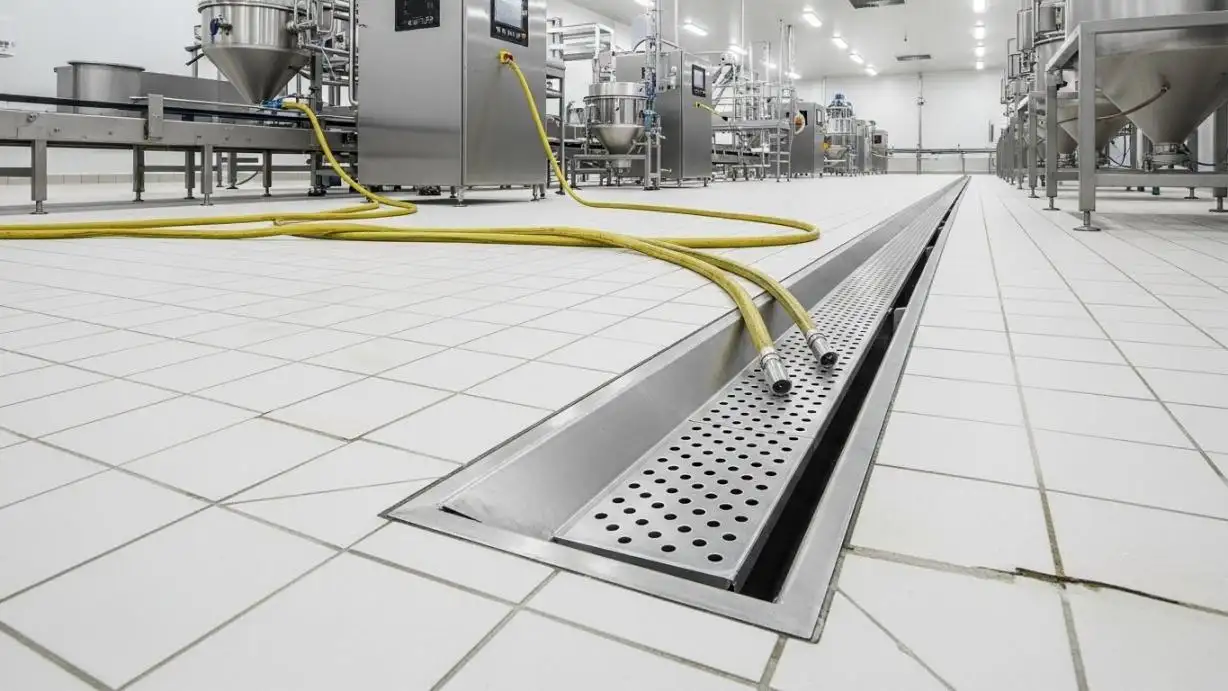
Hygienic drainage for hospitals is important in infection control and adherence to stringent health procedures in the operating rooms, laboratories, kitchens, and patient zones. Hospital-grade sanitary drains, in contrast to the traditional drainage systems, are constructed with superior design features, such as stainless steel construction, slip-resistance, and in-built debris filtration that make them safe and durable in high workload healthcare environments.
Effective drainage systems not only handle wastewater effectively but also avoid stagnation, odor, and microbial contamination of water, which is very important in minimizing healthcare-acquired infections (HAIs).
The Need to Use Hygienic Drainage Solutions in Hospitals
Hospitals are subjected to special sanitary pressure. The traditional drainage systems are not usually sufficient because of:
- Chemical and high-frequency cleaning corrosion.
- Prone to blockage and smell regurgitation.
- Maintenance is consumed without impacting the operations of the hospitals.
By comparison, hygienic drainage solutions are offering:
Durability: 304/316L stainless steel is resistant to corrosion and chemical damage.
Safety: Anti-backflow and Slip-resistant surfaces.
Efficiency: Built-in debris filters and removable water traps to protect against easy maintenance.
Compliance: Adheres to international hygiene and sanitary standards of healthcare.
Hospital Hygienic Drainage Core Features
Stainless Steel Construction of High Quality
Corrosion resistance and long-term durability are assured by such materials as 304/316L stainless steel. The stainless steel surface is also smooth, and this minimizes the chances of microbial buildup.
Anti-Backflow and Anti-Slip Design
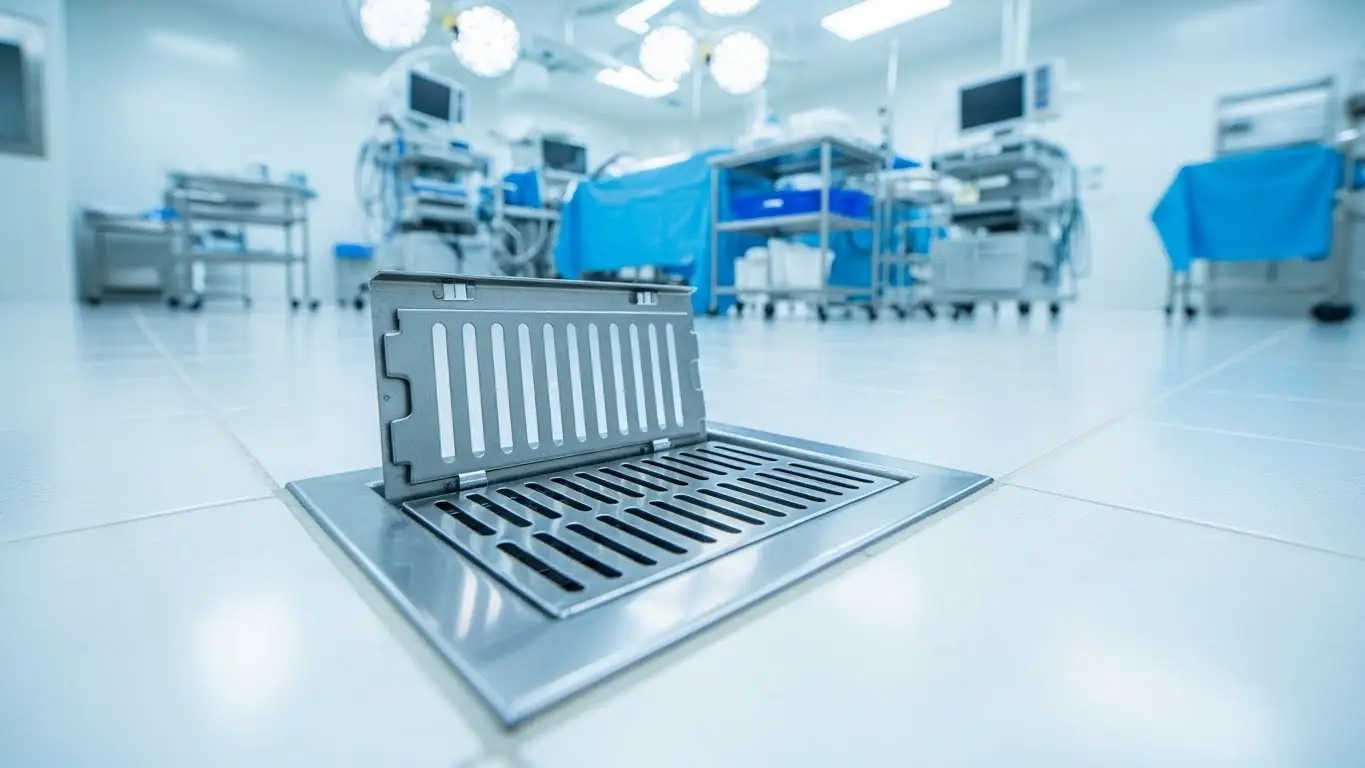
Anti-slip surface grates minimize the chances of slips in wet spaces, whereas removable water traps with over 50mm seal avoid odor and reduce backflow.
Incorporated Debris Filtration
Debris filters will filter particles bigger than 6mm, which will not clog but will allow the water to pass through the kitchens, laboratories, and operating rooms.
Easy-Clean Surfaces
Internal surfaces are smooth with minimum weld gaps; this makes cleaning easy and compliant with the hygiene procedures in the hospital.
Flexible and Modular Installation
Modular structures to drainage systems, including wedge mesh gratings made by MEA, can be configured to accommodate new constructions and retrofit jobs effectively.
MEA(r) Highly Hygienic Floor Drain
The MEA(r) hygienic floor drain is designed to be the most efficient in the critical hospital setting:
- Material: Stainless steel 304/316L
- Characteristics: Non-slip grating, removable water trap, and in-built debris filter.
- Load Class: EN1253 [?]N250
- Applications: OR, ICU, hospital kitchens, and labs.
Benefits:
- Ensures hygiene by avoiding the accumulation of water.
- Minimizes time for maintenance and has removable parts.
- Endorses medical hygiene.
- Secures the stability of its structure with anchor plates.
Comparison of Traditional Hospital Drainage Systems
Material:
Hygienic drainage solutions are made with stainless steel 304/316L, which has better resistance and lasts corrosion. The conventional drains are usually made out of cast iron or PVC, which can easily be ruined or damaged by chemicals.
Safety:
Hospital-grade hygienic drains have slip-resistant covers and odor control, providing safer environments. The old systems are not usually slip-resistant or backflow prevention, and thus are not suitable in medical facilities.
Maintenance:
The hygienic drains are equipped with removable traps, which are easy to clean and involve less labour. Conventional drainage is more demanding in terms of maintenance, which is a time-consuming process.
Durability:
The hygienic drains have stainless steel, which is long-lasting and resistant to corrosion, unlike the traditional drains that are vulnerable to wear, rust, and chemical decay.
Compliance:
Hygienic drainage is also of high hygienic standards in hospitals and helps in infection control. Old systems of drainage are not usually in line with the current healthcare and food safety regulations.
Cost-Effectiveness:
Although the initial cost of the hygienic drainage system might be expensive, affordable hygienic floor drains have long-term benefits in terms of lower maintenance, greater safety, and regulatory compliance.
Top-Rated Solutions:
The hospitals of modern times are more in favor of the best hygienic drainage systems that are rated high in terms of performance, reliability, and safety features when compared to the traditional systems.
Hospital Drainage: Technical Considerations
Slope Requirements
An adequate slope will guarantee total water drainage, which will avoid stagnation and bacterial proliferation.
Plumbing Alignment
Maintains proper interaction between the floor drains, trench systems, and the wastewater pipelines.
Leak-Proof Sealing
Avoids leakage, assures the integrity of the floor, and ensures safety in sensitive places.
Modular System Flexibility
Modular drainage can readily be customized to layouts, which is necessary in retrofitting the existing hospital floors.
Best Practice in Installation and Maintenance
- Pre-installation of subfloor preparation in the case of stable placement.
- Secure drains where there is high traffic with the help of anchor plates.
- Periodically, wash removable water traps and debris filters.
- Check stainless steel parts, corrosion, chemical damage, or wear.
- Make sure that you are adhering to the hospital's hygienic rules.
The practices lower the cost of maintenance and make the systems efficient in the long term.
Hospital Zones Applications
Operating Rooms: Do not contaminate; keep clean.
ICU & Patients Areas: Reduce slips and water.
Kitchens and Food Preparation Areas: Effective wastewater discharge, hygiene standards.
Laboratories/Cleanrooms: Avoid sources of contamination, ensure good flow and filtration.
Reasons to Select Advanced Hygienic Drainage Solutions
Improved Patient Safety
- Eliminates the risk of infection by eliminating stagnation of water and bacterial accumulation.
- Slop-resistant floors reduce the number of accidents in wet areas.
- Construction is made of smooth stainless steel 304/316L, which is easily cleaned and hygienic.
Cost Efficiency
- Extended service life as opposed to the traditional cast iron or PVC drains.
- Less maintenance that is labor-intensive, resulting in a reduction of operational costs over time.
- Durable materials will lower the cost of repair and replacement.
Regulatory Compliance
- Compliance with the WHO standards of sanitation and local hospital standards.
- Appropriate in critical departments such as operating rooms, ICUs, laboratories, and patient wards.
Increased Operational Effectiveness
- Removable water traps and in-built debris filters will make cleaning easier.
- Modular components and anti-slip grating are time-saving and less labor-consuming.
- Minimizes cleaning and maintenance time periods in high-traffic hospitals.
Sustainability
- Stainless steel construction is environmentally friendly and promotes environmental compliance in the long run.
- Sustainable building uses reusable and corrosion-resistant materials.
- Less wastage as compared to other drainage systems that have a short lifespan.
Conclusion
Hygienic drainage for hospitals is an important measure towards safe, clean, and effective healthcare settings. The high-tech drainage systems include MEA(r) hygienic floor drains and wedge mesh gratings, which are combined features of stainless steel durability, safety through slip-resistance, and an embedded debris filtration to provide high-performance. To get to know more about tailored hospital drainage solutions, take a look at the list of products available at CMSA MEA and request a quote.


