
Residential Linear Drain Systems: Efficient Home Drainage Solutions



Ultimate Guide to Residential Linear Drain Systems
The world of home renovation of today is a matter where selecting the appropriate drainage system can create a big difference in functionality as well as beauty. Residential linear drain systems are becoming a fast favorite among homeowners who want a smooth and effective, and long-term solution. These are modernistic toilets, unlike the traditional point drains, which have better water management, cleaner facades, and a modern appearance to the bathrooms, kitchens, and wet areas.
What are Linear Drain Systems of Residences?
Linear drains are drainage systems that are long and efficient in distributing water to a greater region, unlike conventional point drains, which concentrate the water at one point. Linear drain systems are commonly mounted along the wall of a shower or bathroom and are typically designed to take larger amounts of water and ensure that there is no standing or overflowing water, or drains are not blocked.
The Linear Drain System Has Components:
Drain Grate: This is commonly of stainless steel, and is a pleasing decorative covering of a drain that allows water to enter, but prevents debris-filled materials from entering the drainage system.
Drain Channel: This is the main body of the drain in which water circulates. Much used in these channels include 304 and 316L stainless steel, which are known to be corrosion-resistant and durable.
Water Taps: It is an optional part that prevents odor reflux and ensures that your house does not have any odor or insufficient hygienic conditions.
Debris Filter: This filter is a part of the system that prevents particles that are more than 6mm in size, thereby causing efficient drainage.
MEA(r) Hygienic Floor Drains: The Ideal Solutions to Your Drains
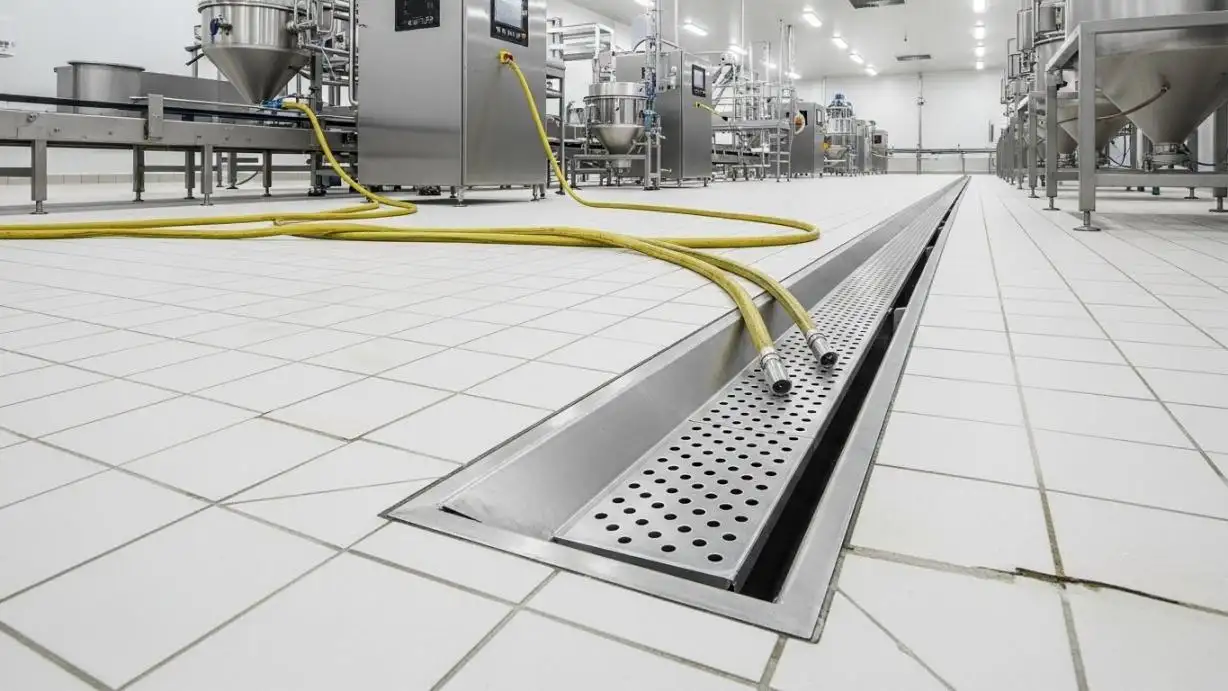
In need of a high-tech drainage system, the MEA(r) Hygienic Floor Drain will provide high-quality performance. This drain is used in clean-up areas where hygiene is the key factor, such as clean rooms, food processing areas, and laboratories, and can be used to provide effective drainage and sanitation.
Key Features:
304/316L Stainless Steel: Corrosion-resistant and therefore long-term reliable.
Slip-Resistant Grating: Increases safety because it helps in avoiding slips in wet places.
Removable Water Tap: This helps to avoid odors and provides a tight seal.
Debris Filter: Forecloses the particles that are larger than 6mm to blockages.
Applications and Benefits:
Fits well in hygienic settings like the kitchen and laboratory.
Makes it easy to clean because the surface is smooth and easy to clean.
The Major Advantages of a Linear Drain System Installing in Your Home
Effective Water and Drainage Control
The design of linear drain systems consists of drainage with high flow, which is better at managing water as opposed to the conventional point drains. They avoid the water accumulation, minimise the possibility of water damage, and provide a neat and dry atmosphere. Linear drains are an effective way of improving water flow efficiency in wet rooms, kitchens, or bathtubs.
Sleek, Modern Aesthetic
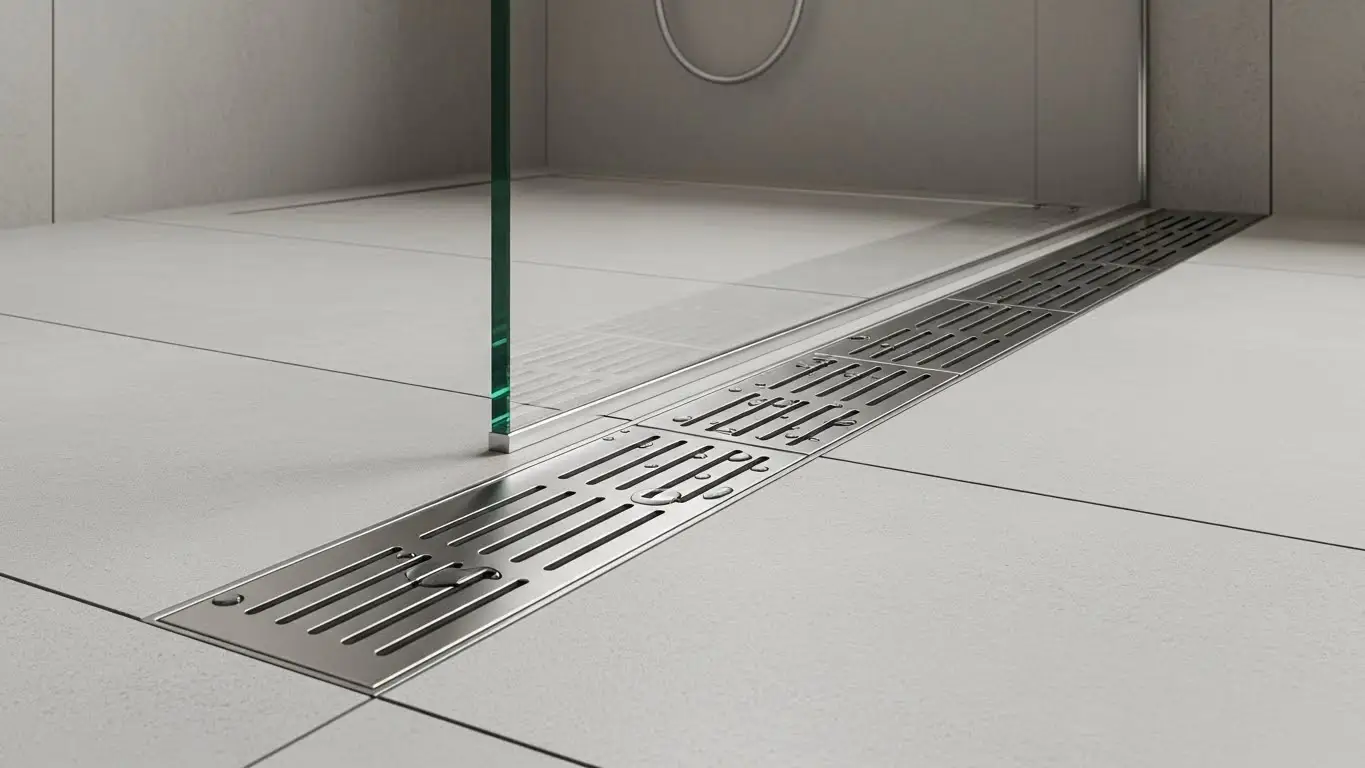
Linear drains provide a sleek, contemporary appearance in your bathroom and a luxury shower design in case you desire a modern remodeling of your bathroom or shower. These drains are quite long and unobtrusive, making them easily integrated into modern walk-in showers or curbless shower fashions. Their sleek lines and concealed fitting ensure that they are the ideal accessories to any trendy wet room or bathroom.
Hygienic and Easy-to-Clean
Linear drainage systems are easier to handle since their surfaces are easy to clean, as opposed to the usual point drains that tend to harbor debris and are hard to clean. The washable debris filter and no-slip gratings also contribute to the hygiene, particularly at the high-traffic places, such as the kitchen, basement, and laundry rooms.
The Best Method of Selecting the Best Linear Drain System
The choice of the appropriate linear drain will be determined by a number of factors, like your bathroom layout, surrounding floor material, and your drainage requirements. The following is what you need to think about:
Size and Layout
Linear drains are very multifunctional and can be installed along the wall or in the center of a big shower. Take into consideration the space that your bathroom occupies and the amount of water that should be emptied. Wall-to-wall drain design is capable of working with greater flow rates, whereas low low-profile drain can suit spaces with a small size.
Material
The majority of residential linear drain systems are made of stainless steel (304 or 316L) because this material has excellent corrosion and strength. Stainless steel is especially beneficial in bathrooms and kitchens, where there is a lot of moisture and cleaning agents.
Features and Design
Find features that include anti-slip grates, inbuilt waterproof membranes, and removable water traps. These characteristics make the drainage process very smooth, avoiding odors and clogging.
Slip-Resistant Grating: This increases the safety level because it eliminates slips in wet places.
Removable Water Tap: Prevents back-flow and maintains hygiene.
Debris filter: This makes sure that nothing gets blocked, but it only allows water to pass through the system.
Installation of a Residential Linear Drain
Linear drain system installation is important because proper installation guarantees efficiency. Installation is easy, and following these steps will make the process proceed without hitches:
Step 1: Planning the Installation
Install the Space: Find out how big and where you want the drain to be according to your bathroom design and your water flow.
Slope-to-Drain Idea: The floor has to slope to the drain in order to promote water flow. It should have a small slope (approximately 1/4-inch per foot).
Step 2: Preparing the Subfloor
Installation should not start without making sure that your subfloor is even and prepared to support the drain system. The waterproofing and construction of shower pans must be done prior to installing the linear drain.
Step 3: Installing the Drain
Install Drain Channel: It is important that the linear drain channel be fixed to the subfloor in a proper manner, and the slope should be taken care of.
Install the Grating and Seals: Put the grating on the drain body and the waterproof seal to avoid leakages.
Step 4: Final Adjustments
Make sure that the system is steady and free of leaks. Hopefully, adjust the height of the drain, and look at any problems with the flow of water.
Linear Drain Systems Troubleshooting and Maintenance
The linear drain system should be maintained regularly to ensure that it is in good condition. Here are some tips:
Regular Cleaning
Wash the drain grates with a light detergent to remove any debris that may block the flow of water. Make sure to clean the debris filter often enough so that it does not become clogged.
Check for Blockages
When you find out that the water is not draining out so well, then you should also examine the drain outlet to see whether any obstructions or accumulations may be blocking the drain.
Repairing Leaks
When there is a leakage in your linear drain, make sure that the waterproof seal is intact and that it is not worn out. Make sure that the drainage is correct and the gradient is made.
Conclusion
The residential linear drain systems will be the ideal solution when a homeowner wants to enhance drainage performance, improve the beauty of the bathroom, and keep the environment nearby clean and healthy. These systems offer a new and practical drainage system that is both modern and durable for your residential house, whether you are renovating your bathroom or constructing a new house. To find out more about the high-quality linear drain systems, go to CMSA.
Share on Social:


