
How a Stormwater Drainage Manual Enhances Green Area Drainage Systems



A Stormwater Drainage Manual is a practical guide for managing rain where people live and work. It explains how to collect, slow, clean, and reuse runoff. It covers design rules, material choices, and maintenance steps. Cities use it in residential communities and municipal projects. Landscapers apply it in parks, green belts, and plazas. Engineers rely on it for walkways, parking lots, and access roads. Industrial sites use it to protect operations and reduce flooding risk. Simple ideas, clear methods, real impact. But which tactics matter most for green areas - and how do they cut costs while boosting resilience? The answers follow.
Why Green Areas Need Smarter Drainage
Parks, courtyards, and streetscapes work under pressure. Small surfaces must handle sudden downpours, protect roots, and stay open to the public. When drainage is an afterthought, the symptoms arrive fast: puddled paths, muddy lawns, and inlets choked with leaves. Compacted soils slow infiltration, while shallow trenches and undersized pipes move problems rather than solve them. The result is higher maintenance and uneven performance from one season to the next.
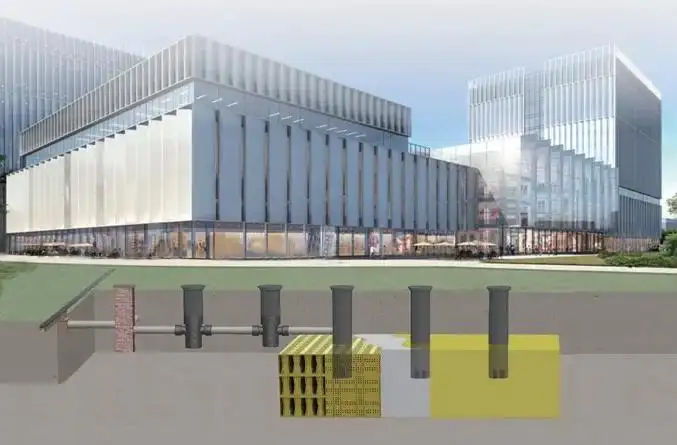
The Stormwater Drainage Manual points to a different path: treat water as a resource, control first flush, detain peaks, and return flow to soil where possible. MEA builds to that playbook. Our rainwater collection and utilization system installs below the frost layer and remains unaffected by groundwater, so green areas, walkways, parking lots, and access roads can keep working through winter, high water tables, and heavy traffic. Designers preserve the landscape at the surface while meeting hydraulic targets underground - no visual compromise, fewer service calls, better outcomes.
- Quality And Water Protection
Many failures occur at edges - curb lines, planters, and tree pits. First-flush pollutants concentrate at these spots, then migrate into storage or overflow to the street. Guided by the Stormwater Drainage Manual, MEA places filtration and first-flush control at the front of the system. Debris is intercepted early. Polluted initial runoff is separated. Clean water moves into storage or infiltration with far less risk to downstream assets.
How MEA Applies The Stormwater Drainage Manual
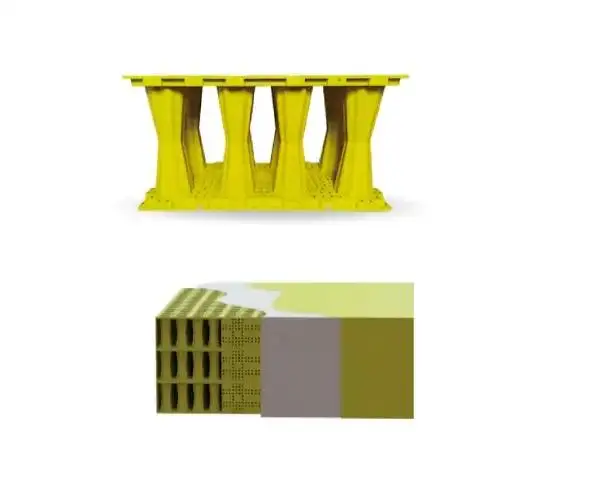
At the core is a modular PP (polypropylene) storage system for capture, detention, and reuse. Interlocking modules create a stable subterranean structure with a void ratio up to 95%, delivering high-volume capacity without large excavations. Lightweight pieces speed handling and reduce labor. Units are stackable for transport, cutting logistics costs and site disruption.
In a landscape park, this means useful volume tucked under lawns or paths, with controlled infiltration that protects roots and prevents surface regrading. In municipal plazas, underground detention trims peak flow and supports runoff-quality goals. In industrial sites, corrosion resistance and long service life minimize downtime. Across all of these, the Stormwater Drainage Manual stays central, from sizing to water-quality controls.
✅ Key Advantages At A Glance
- High-Quality PP Modules - Compression-resistant, corrosion-resistant, and designed for long life.
- 95% Storage Efficiency - High void ratio delivers more capacity in the same footprint.
- Modular, Flexible Layouts - Rectangular, square, or L-shaped clusters adapt to site geometry.
- Fast, Low-Impact Installation - Lightweight pieces place quickly, often without heavy cranes.
- Stable, Traffic-Ready Structure - Interlocking assembly performs under walkways and access roads.
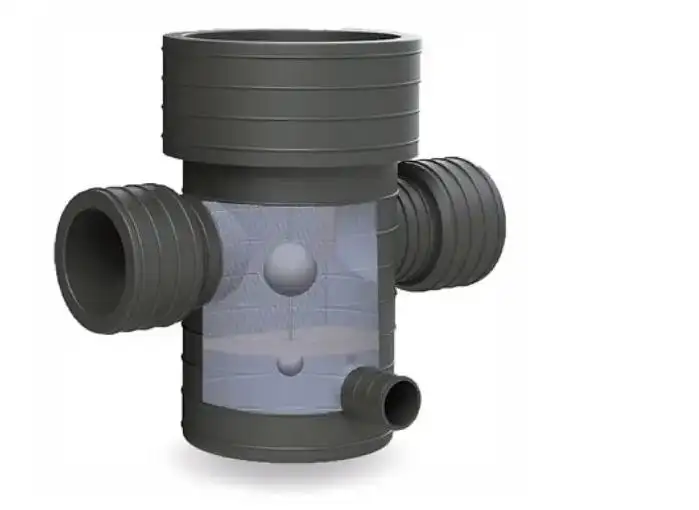
To guard the system inlet, MEA integrates a PE pre-filtration unit with a stainless-steel basket. Leaves and coarse debris are captured at the source, not inside storage, which keeps maintenance predictable. Where projects must meet stricter water-quality goals, a first-flush device discharges the most polluted early rainfall, then routes cleaner water to storage or reuse - exactly the kind of pollutant-load control emphasized in the Stormwater Drainage Manual.
✅ Design And Construction Support
Good design becomes great when it is easy to build. MEA supports teams from concept to handover so specifications align with the Stormwater Drainage Manual and local codes:
- Hydraulic Calculations & Reports - Professional software to size detention, infiltration, and release.
- Product Selection & Layouts - Recommendations matched to loads, flows, and site constraints.
- BIM Content & Coordination - A complete library and technical help for clash-free models.
- Installation Guidance - On-site training before works, regular inspections during construction, and support through final acceptance.
With this workflow, designers cut uncertainty, contractors reduce rework, and owners get the performance they were promised.
What Owners And Designers Gain In Real Projects
When a system is planned to the Stormwater Drainage Manual, green areas become more reliable day to day. Peak flows are buffered below ground. Coarse debris stays out of storage. Surfaces open again quickly after storms. Because the assemblies sit below the frost layer and are unaffected by groundwater, seasonal swings matter less. The benefits are visible: fewer closed paths, healthier plantings, and cleaner discharges to receiving waters.
For residential communities, lawns remain usable and paths don't turn to mud. In municipal streetscapes, planter edges stop overtopping onto sidewalks. Around parking lots and access roads, sub-base detention protects pavement and reduces ponding near inlets. Water can also become a resource again: where permitted, captured volumes support irrigation; where reuse isn't feasible, detained water infiltrates to help mitigate flooding and groundwater depletion.
Not every project needs the same toolkit. Tight urban sites often prioritize storage density; campuses may focus on water-quality treatment; industrial plots value rugged construction and minimal downtime. MEA's modular approach addresses these differences without overbuilding. Capacity scales by module count. Layouts flex around utilities. Accessories like pre-filtration and first-flush control are added as targets demand. Because the structure is strong yet lightweight, programs shorten, risks fall, and budgets stretch further.
Choosing Confidently For Your Site
When you evaluate options, ask simple, high-impact questions rooted in the Stormwater Drainage Manual:
- Will the system store enough water without oversizing the excavation?
A high 95% void ratio means more storage per cubic meter of dig.
- Can the solution handle debris and first flush at the source?
Pre-filtration and controlled first-flush discharge protect storage volume and downstream devices.
- Is installation predictable on a tight schedule?
Modular, lightweight PP units reduce crane time and accelerate placement.
- Will performance hold through winter and high groundwater?
Below-frost installation and groundwater-resilient design improve year-round reliability.
- Is end-to-end support available?
Hydraulic reports, BIM content, and site training keep design intent intact through handover.
A Practical Path Forward
Cities and campuses cannot afford drainage that works only on paper. They need systems that perform during real storms, in real soils, installed by real crews. MEA takes the principles of the Stormwater Drainage Manual and turns them into clear designs, buildable details, and maintainable assets. The result is a green area that looks good and functions even better - one that manages runoff, protects ecology, and reduces lifecycle cost.
Call To Action: Planning a project now? Let MEA prepare a free concept pack - hydraulic sizing, a draft layout, and BIM families - mapped to the Stormwater Drainage Manual and your local standards. Tell us your site constraints and performance targets, and we'll help you deliver an underground system that keeps the surface beautiful, rain or shine.
Share on Social:


