
Stormwater Management for Residential Area: Effective Solutions


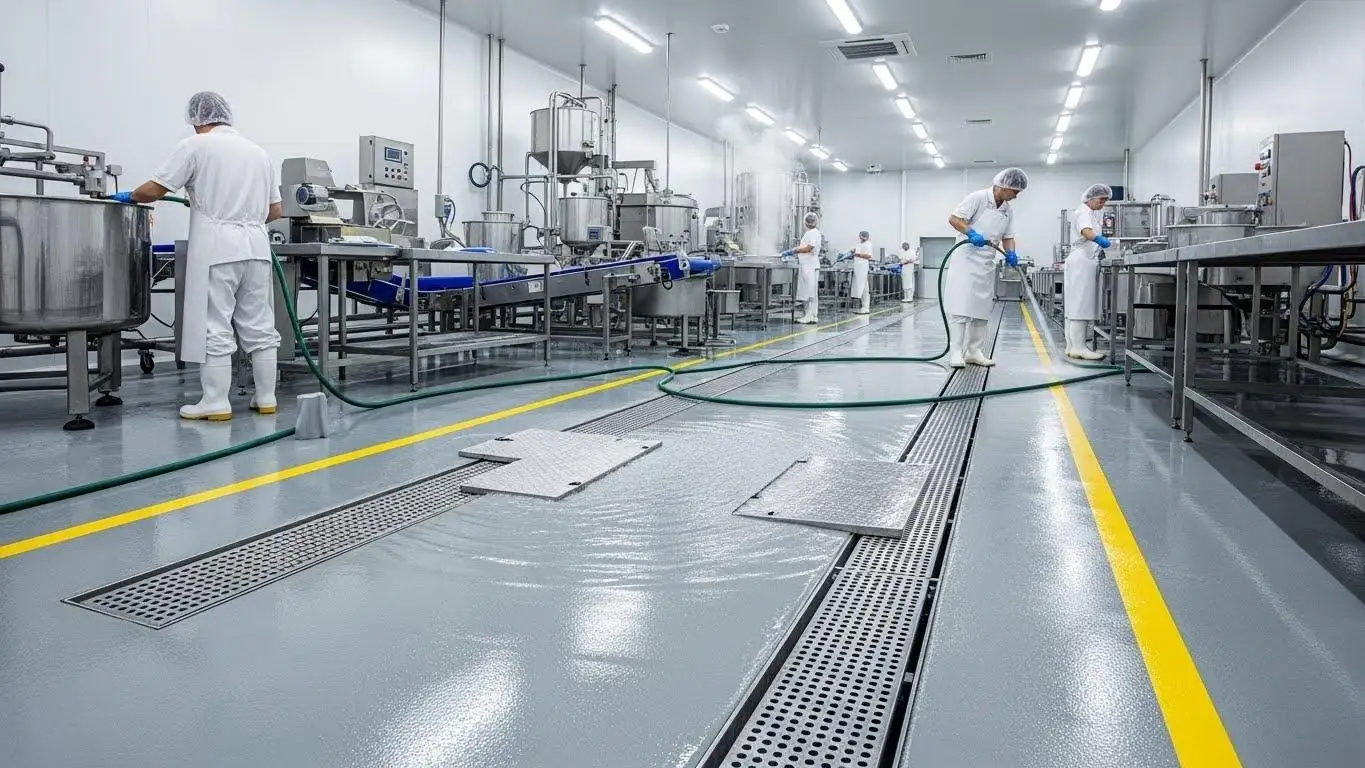
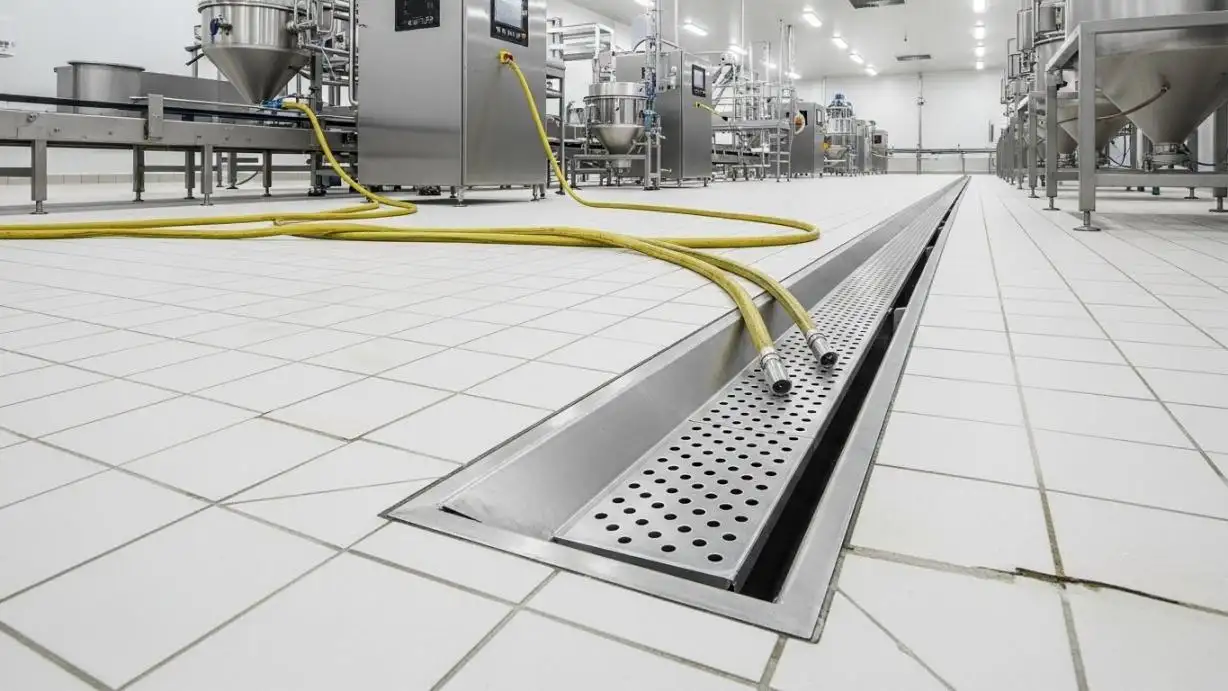
Essentials of Residential Stormwater Management
Stormwater runoff is an event when water collected during rain does not enter the ground because of the impenetrable cover, such as rooftops, driveways, and compacted soil. The level of risk to which a property is subjected depends on where the water travels--and the speed at which it flows to the property.
That is why the consideration of smart residential drainage systems, water retention techniques, and stormwater management steps is the key element of sustainable stormwater management for residential areas.
Key Principles Include:
Controlling the Flow
The higher the surface paving, the less the infiltration of the residential water. Flow control with the use of green infrastructure solutions and vegetated swales, as well as permeable surfaces, can alleviate pipeline pressure and enhance groundwater recharge.
Improving Water Quality
The stormwater at an early stage is usually filled with sediments, oils, and contaminants. Rain gardens, infiltration trenches, and first-flush diversion systems are some of the systems that see the cleaner water end up in storage tanks, natural filtration systems, or municipal systems.
Protecting Property
The basics of the yard flooding systems, basement systems, and home drainage enhancement are based on a blend of grading properly, great gutters, catch basins, and designed backyard drainage systems.
Compliance with Regulatory Requirements
The stormwater regulations are now enforced in many municipalities, and homeowners, especially in new developments, are expected to adhere to stormwater best management practices (BMPs) and meet the requirements of local stormwater management.
Design and Infrastructure Solutions to Residential Stormwater Systems
The current residential stormwater systems are not just about drains. The most successful neighborhoods in the modern world incorporate both engineered architecture and nature.
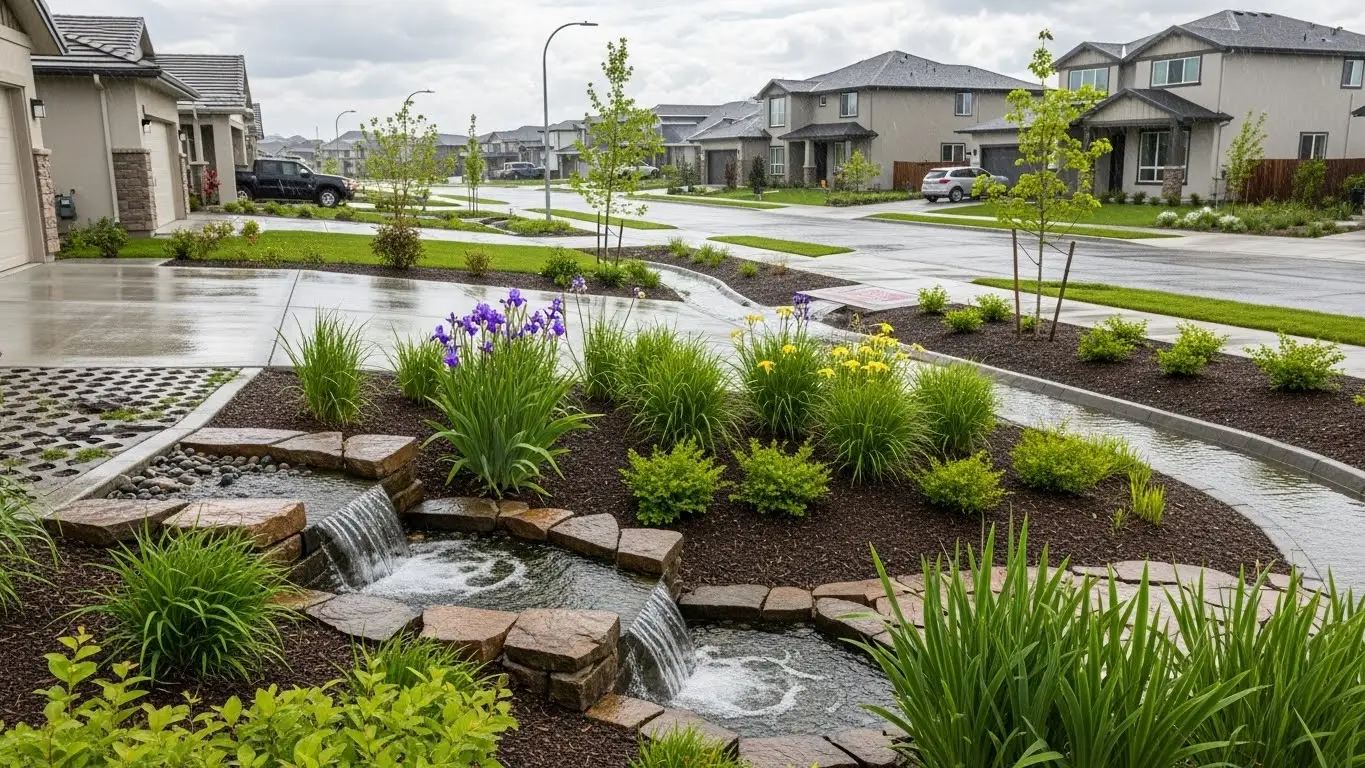
Rain Gardens & Bioswales
These systems reduce, filter, and absorb stormwater runoffs and also maintain green plants. A properly designed residential rain garden can help to reduce peak flow and capture pollutants prior to their traveling into the downstream.
Permeable Paving for Homes
Porous concrete, permeable interlocking pavers, or gravel infiltration layers can be used to ensure that water percolates into the ground and does not run toward the storm drains. The upgrade assists in minimizing waterlogging of driveways and walkways.
Retention and Detention Systems
Detention ponds of the neighborhood-scale are used to temporarily store the runoff, and retention ponds are used to store water over the long term. The two are crucial in minimizing downstream flooding.
Optimization of Downspout and Gutter
Downspout drainage systems, gutter diversion, and redirection of downspouts assist in directing water to places of safe infiltration to avoid soil erosion along building foundations.
Drainage Basins and Catch Basins
These structures hold water during extreme storms, which forms a settling layer for the particulates, and then the water passes on through the drainage.
French Drains and Slope Grading
A correctly laid French drain increases the drainage of residential properties significantly by facilitating the flow at the underground level. When coupled with proper grading and slope design, homeowners can divert the storm waters effectively and without risk.
Green and Low-Impact Emery Residential Stormwater Management
SuDS and low-impact development techniques (LID) propose a sustainable method of urban runoff management. These methods provide environmental solutions as well as manage water in an efficient manner.
Green Roofs
Roofing systems made out of vegetation absorb rain and decrease the amount of runoff, as well as insulate the home.
Rainwater Harvesting Systems
Water can be collected by the homeowners and used by them for irrigation or non-portable purposes of the home. Installation of filters, storage tanks, and intelligent diversion systems makes the water cleaner and safer.
Trenching Infiltration Trenches and Soakaways
The characteristics are favorable to water infiltration deep in the soil profile, which encourages groundwater recharge and decreases erosion.
New Technology Rainwater Abandoned First-Flush Control Abandonment
In the contemporary residential rainwater networks, there is a single most effective and convenient gadget: the rainwater abandoned gadget- a technology that is aimed at addressing two problems at the same time, i.e., early-stage runoff contamination and unutilized pipeline sealing.
The Working of the Rainwater Abandoned Device
When the initial forms of rain occur, dust, heavy metals, and organic matter are washed away on the roofs and paved areas. This runoff at an early stage has the largest concentration of pollutants. The rainwater abandoned device is a solution to this by a floating ball system that automatically discharges initial run off (poor quality).
After the water has been filtered out, the gadget changes to control rainfall and flows into the central harvesting or collection tank. There is a stainless steel filter having a 2 mm mesh that blocks suspended solids, enhancing the performance of the downstream systems.
Major Characteristics of the Rainwater Abandoned Device
Durable PE Body: Corrosion-resistant and can be used in the case of long-term underground installation.
Automatic First-Flush Discharge: The floating ball will secure the release of the runoff, which is in its early stages and does not require any manual work.
Will filter any particles more than 2 mm across so as not to damage storage tanks and inner plumbing.
Adjustable Shaft Height: The shaft is adjustable in the field so that installers can cut the shaft to the right depth.
Quick Pipe Connection: No complicated construction involves direct backfill and fast assembly.
Dual Functionality: Filters first-flush and closes unused pipe branches at the same time.
Applications and Benefits
This machine is not just a first-flush solution. It improves the reliability of systems in stormwater networks.
Primary Benefits
- Discharges contaminated first flush runoff to cushion tanks and filtration facilities.
- Diverters redirect clean water into reuse installations or rainwater harvesting systems.
- Eliminates intrusion and backflow at disused outlets or partially decommissioned outlets.
- Minimizes the risks of groundwater contamination.
- Fits well in drainage shifts, outlet locations, and pre-treatment areas.
- Low maintenance and high stability of operation.
Installation and Flexibility Benefits
The rainwater abandoned device allows quick installation, contrary to complex stormwater systems that need extra chambers or reinforcement structures. The adjustable shaft enables the installers to easily adjust the burial depth. Once the pipeline connection is completed, immediate backfill can commence, and this saves on overall labor and time of installation.
The maintenance is also easy. The small, vertical form enables easy access to the inside filter basket, which enhances the long-run system efficiency and lowers the lifecycle expenses.
Why is the Rainwater Abandoned Device Preferred?
This solution is more preferred by the homeowners, developers, and engineers as it does more than just the termination of pipes. It improves the efficiency of the harvesting systems in general, secures the storage units, minimizes contamination, and gracefully adjusts to diverse site conditions.
In managing stormwater runoff in residential neighborhoods, a device like this one makes such a system smarter, cleaner, and more sustainable - particularly in residential neighborhoods where the need to preserve water resources in the environment and the resiliency of infrastructure in the long term are the priorities.
Preventive and Control Measures of Floods and Residential Water
Flood mitigation is the integration of natural mitigation with engineering structures. Homeowners can do a number of things in order to minimize the chances of waterlogging, such as enhancing the permeability of the soil and putting up protective structures.
Efficient Residential Techniques:
- Constructing vegetated swales to reduce the flow of water.
- Installation of permeable pavements in patios and pathways.
- Redirecting water with the help of backyard grading solutions.
- Enhancement of soil quality by the use of organic amendments.
- Including groundwater recharge pits or trench pits.
- Introducing enterprise-wide erosion control.
Conclusion
Stormwater management for residential areas is a long-term investment in real estate safeguarding, the environment, and community resilience. Homeowners can reduce the risk of floods, safeguard foundations, and improve landscaping by incorporating sustainable stormwater management practices.
New technologies, such as the rainwater abandoned machine, improve the performance of a given system by controlling the quality of the runoff and pollution control. Together with the best practices, including natural stormwater, permeable, SuDS, and stormwater best management practices, residential properties would be able to implement long-lasting, environmentally responsible water management with minimal maintenance.


