
Stormwater Runoff Control for Parking Slots: Guide


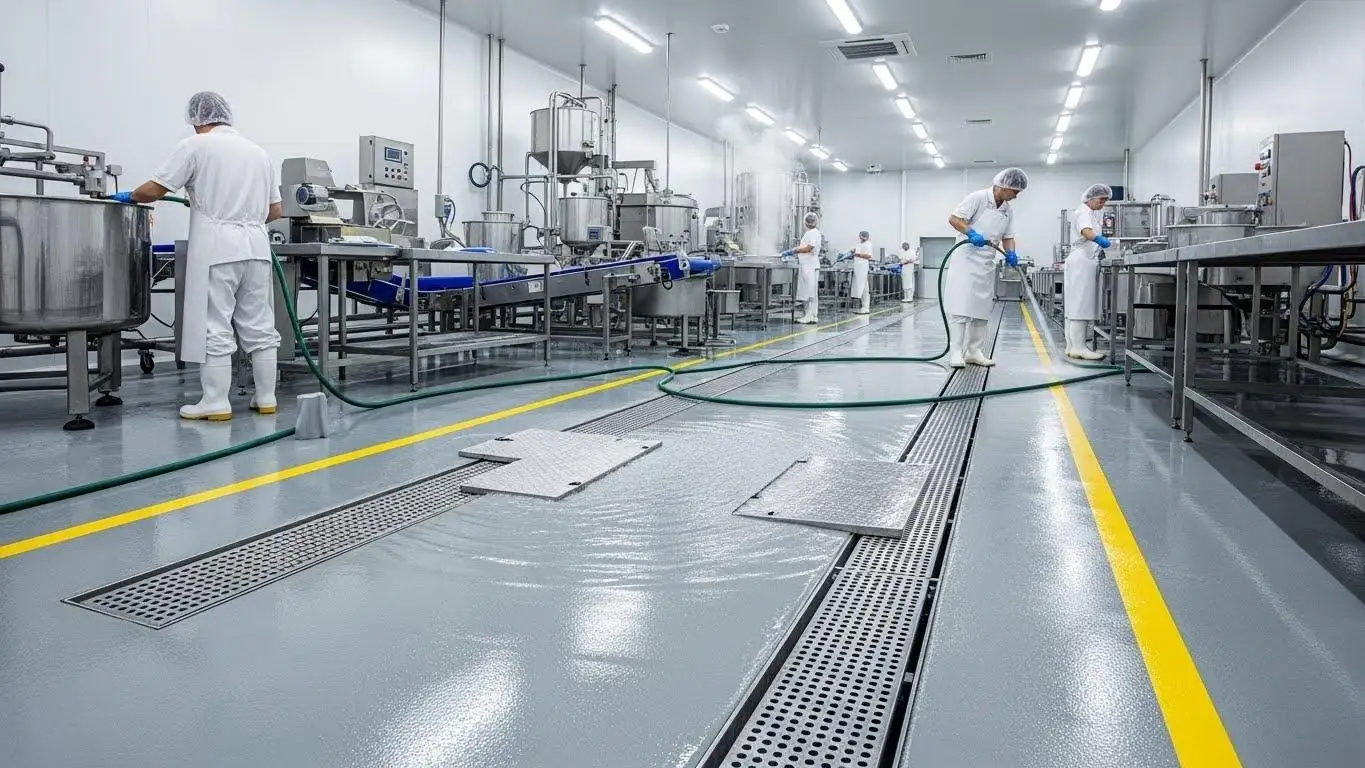
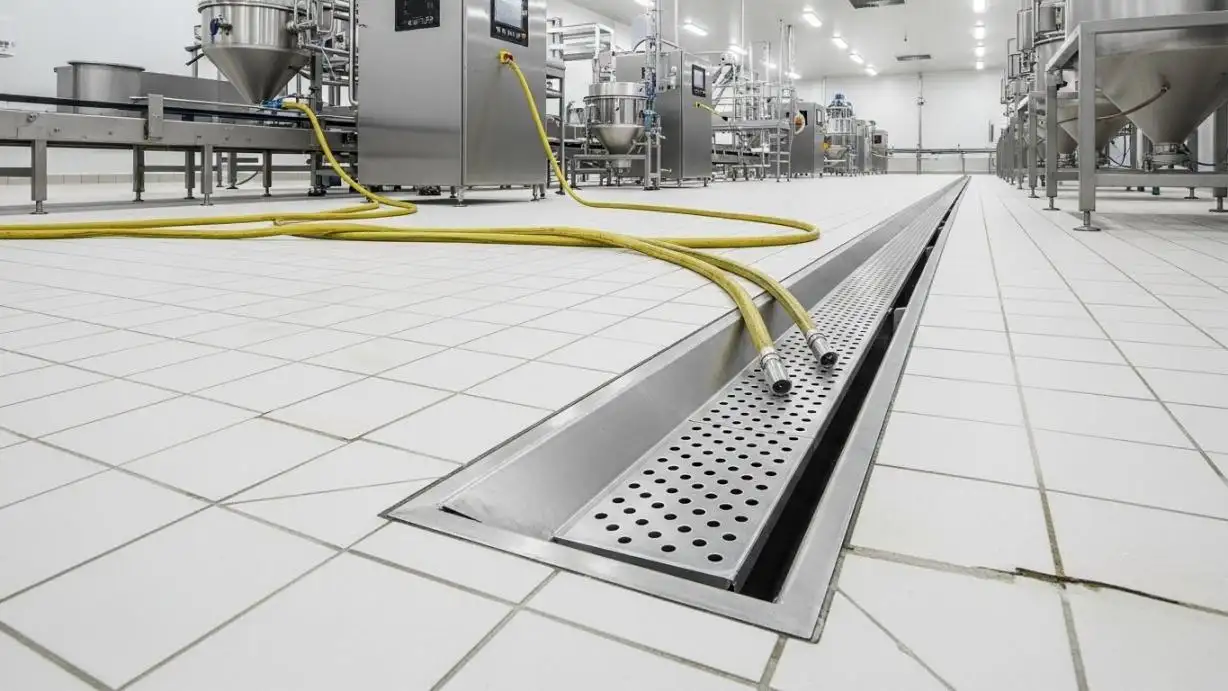
What is Stormwater Runoff in Parking Lots?
Stormwater runoff control for parking slots is a phenomenon that takes place when the rain does not enter the ground because of impervious surfaces. The uncontrolled runoff in the parking areas causes water pooling, the heightened load of pollutants, and soil erosion. The management of parking lot stormwater is aimed at capturing the water, directing it, and treating it so that little or no water flows to the natural water bodies.
Parking Slot Stormwater Runoff Control: Effective Solutions
- During urban planning, the areas of parking are often ignored, but they are very important in managing stormwater. Impervious surfaces like asphalt and concrete do not absorb natural water, and this causes the water to accumulate on the surface, resulting in flooding and environmental degradation.
- Parking slots stormwater runoff management is critical in minimizing urban flooding, sustaining infrastructure, and increasing sustainability. This paper discusses the developed methods, sustainable designs, and products, including the MEA PP Modular Box Stormwater Storage, to maximize water supply in parking spaces.
Major Causes of Parking Lot Run Off
Impervious Surface Runoff: Asphalt and concrete do not allow water to enter them.
- Large Runoff Coefficient: Commercial parking lots are usually characterized by large runoff coefficients, resulting in rapid accumulation of water.
- Ineffective Drainage Design: Low-grade or inefficient drains elevate the risk of floods.
- Pollution: Vehicles contaminate stormwater with oil, debris, and chemicals that need to be filtered or treated.
Optimally, Stormwater Runoff Control of Parking Slots
The contemporary parking lot stormwater management methods combine structural solutions, green infrastructure, and sustainable design methods. The following is a list of the most effective ones:
- Parking Area Permeable Pavement
Porous surfaces, such as porous asphalt and permeable interlocking concrete pavers, allow water to seep into the soil. This lessens the surface run-off, facilitates groundwater recharge, and lowers urban flooding. The permeable pavement is one of the essential elements of the surface water management systems as it lowers the runoff coefficient and enhances rainwater penetration.
- Improves water absorption and penetration.
- Reduces the amount of water that accumulates in parking bays.
- Favors environmentally friendly urban drainage systems (SuDS).
- Blends well with the existing landscaping and grading.
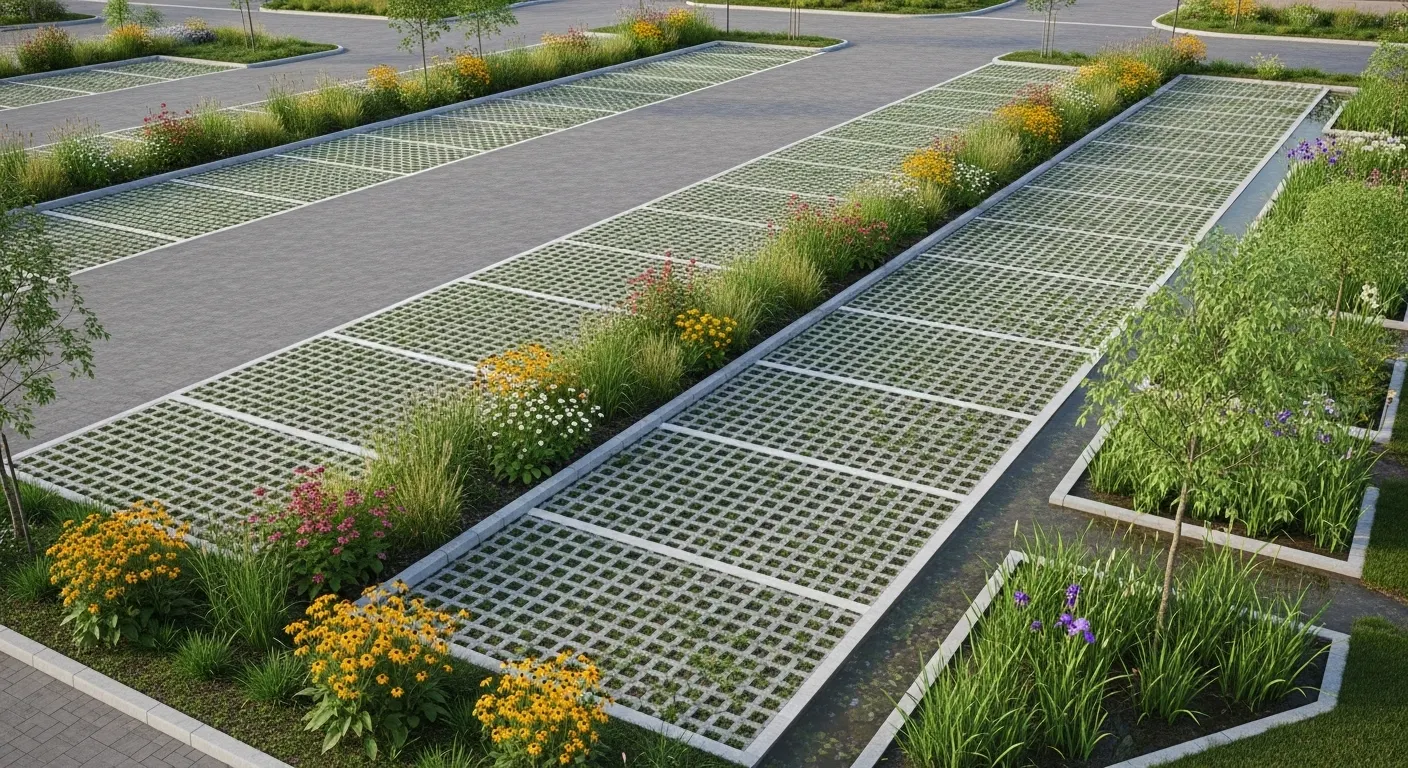
Bioswale and Bio-Retention Systems
Bioswales refer to vegetated stormwater channels that are used to trap and treat stormwater. Parking area bio-retention cells offer short-term detention, cleaning, and slow infiltration. These systems are very good at mitigating urban runoff, and they are compatible with the Low Impact Development (LID) methods.
- Reduces stormwater volume
- Filtering Hydrocarbons and sediments.
- Improves aesthetic and green space.
- Leverages the objectives of LEED certification.
Stormwater Detention and Retention Basins
Stormwater detention basins are used to save up the surplus runoff temporarily and release it at a slow rate to minimize floods downstream. The detention systems become very effective in commercial parking lots where the volume of water is very high. Retention basins, along with the first flush pollution control techniques, treat the water, and thereafter, it is discharged or absorbed.
- Drainage Systems Subsurface
Water can be collected and drained by installing drainage pipes or French drain installations that are installed underground beneath parking areas. These systems are used with stormwater catch basins to eliminate surface water and facilitate the plan of enhancing parking lot drainage.
- Oil-Water Separators
The surrounding car parks are generally sources of contamination to the runoff. Parking lot oil-water separators are highly effective in the removal of hydrocarbons and are preventive of water quality and adherence to EPA stormwater regulations. The move will be essential in generating environmentally responsible parking slot water runoff solutions.
Green Parking Lot Design and Sustainable Parking Lot Design
Modern parking area drainage systems are important in sustainable design. Parking lots should be implemented to a green infrastructure, which enhances the management of water and environmental performance. Key strategies include:
Rain Gardens and Landscaping
- The rain gardens located strategically in the parking lots minimize the runoff of impervious surfaces and also improve the aesthetics. These gardens get coupled with the amendments of the soil and enhance water infiltration and sustain urban biodiversity.
Interchangeable Stormwater Storage Systems
The MEA PP Modular Box Stormwater Storage is the latest design in parking lot runoff. This modular system is made of high-strength PP material, which provides effective retention of underground water and infiltration.
Key Features:
- Polypropylene (PP) is high-strength as well as corrosion-resistant.
- 95% speed of fast water detention.
- Wireless flexible layout or design.
- Green and recyclable building.
- Favors the use of rainwater harvesting and detention basins.
Benefits for Parking Lots:
- Stabilizes water runoff and surface runoff.
- Minimal excavation when it comes to underground space.
- Smart and sustainable parking lot design and SuDS objectives.
- Facilitates decentralized stormwater management of commercial and public parking lots.
The PP modular boxes may take the form of a cluster of rectangular forms, squares, or L shapes. Their interlocking nature and lightweight increases the speed of installation, minimizes the number of people required to install them, and they are structurally stable in the presence of heavy vehicles.
Technical Considerations: Parking Lot Stormwater Management
Good parking lot drainage design must take into consideration the principles of engineering and hydrology:
- Grading and Surface Slope
The grading of parking areas is done properly so that water moves in the direction of the drainage points. Ideal slope design minimizes ponding, enhances assimilation of rainwater, and eliminates degradation of asphalt.
- Reduction of the Coefficient of Runoff
Designing detention systems entails calculations and the minimization of the runoff coefficient. Use permeable surfaces, green structures, and water runoffs to maximize water retention.
- Pollutant Control Measures
Include sediment and debris removal, hydrocarbon runoff treatment, and water quality treatment systems to ensure clean discharge. These strategies facilitate adherence to the municipal runoff requirements and environmental permitting.
- Regulatory Compliance
The legal and environmental responsibility is met by following the EPA stormwater and parking lot drainage standards. Stormwater Best Management Practices (BMPs) such as detention basins, permeable levers, and modular storage minimize legal and environmental risks.
State-of-the-Art Parking Slot Stormwater Control Technologies
Some advanced technologies improve stormwater management:
- Porous Parking Lot Asphalt: Infiltrative and does not reduce the load-bearing capacity.
- Permeable Interlocking Concrete Paver: This is a high-traffic area that is attractive, durable, and modular.
- Subsurface Modular Tanks: MEA PP Modular Box Stormwater Storage is a high-density underground storage.
- Automated Drainage Monitoring Systems: Sensors are used to monitor water buildup up and this is managed proactively.
These systems are employed together to form an overall stormwater management system of parking lots that decreases the chances of floods and increases sustainability.
Economically-Sustainable and Environmentally-Friendly Strategies
Parking space stormwater management is cost-effective and incorporates low-maintenance materials, modular storage systems that are modular, and green infrastructure. Parking lots and bio-retention cells should use permeable pavements, which will decrease maintenance expenses in the long term but increase environmental performance.
Environmental Advantages Include:
- Less erosion and surface runoff.
- Enhanced recharge of groundwater.
- Reduced emissions of pollutants.
- Urban resilience to extreme weather.
Conclusion
Sustainable urban development requires efficient management of stormwater runoff control for parking slots. Parking areas can also become efficient in surface runoff handling by integrating permeable pavement, bio-retention cells, green infrastructure, and higher-developed modular storage, such as the MEA PP Modular Box, and enhance urban resilience. To learn more about the modular stormwater storage and parking lot drainage systems, please refer to CMSA MEA Stormwater Solutions.


