
Best Hygienic Drainage Solutions: Sanitary Systems for Spaces

Best Hygienic Drainage Solutions: Modern Sanitary Systems
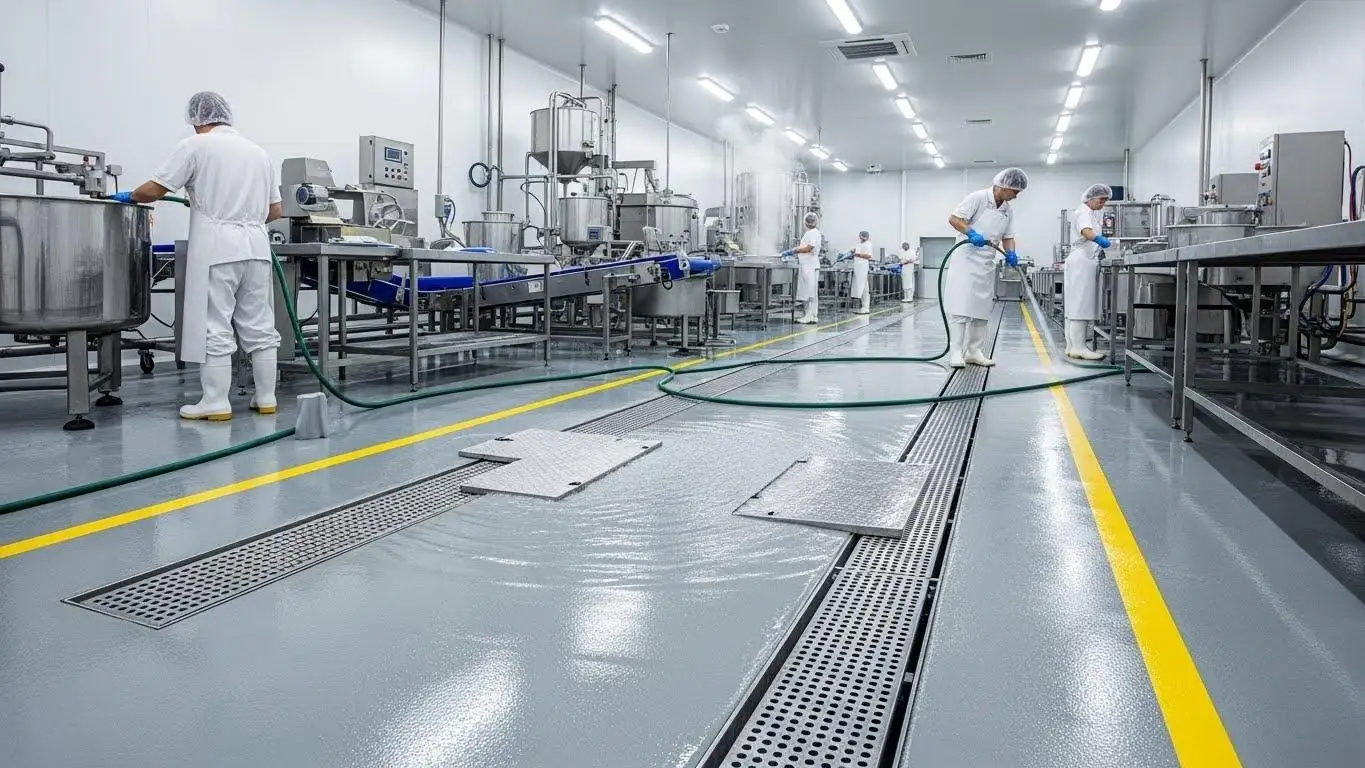
The need to maintain optimal sanitation is now longer a luxury when it comes to the industrial and commercial settings of the present world. Regardless of whether you manage a food processing plant, a laboratory, a hospital, or a commercial kitchen, the selection of the most suitable hygienic drainage systems may have a considerable effect on the efficiency of operations, safety, and adherence to the standards of hygiene. The hygienic floor drains of modern times are designed in such a way that they can accommodate high flow of water, they are able to stop bacteria, and are able to withstand even the harshest conditions.
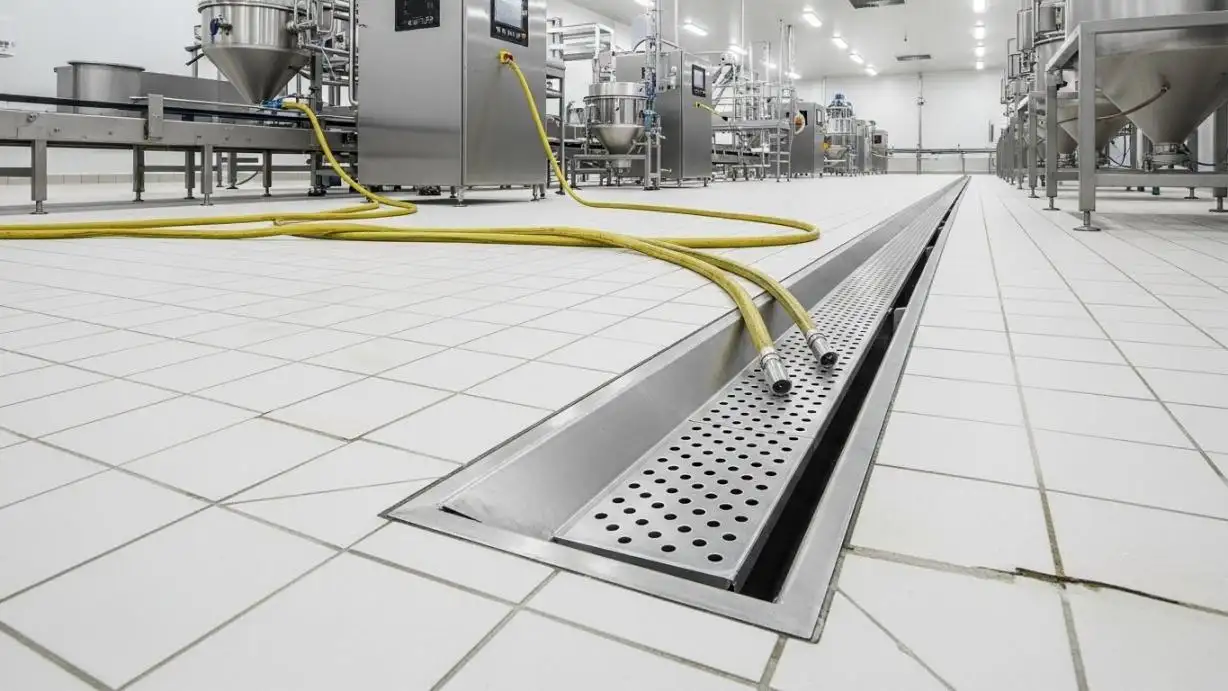
The MEA(r) Hygienic Floor Drain (Model D-G168.168N) is at the lead of the innovations, which have slip-resistant gratings, embedded debris filters, and a detachable water trap.
Why are Hygienic Drainage Solutions Necessary?
Conventional drainage systems are not good at avoiding bacterial growth, pooling of water, and chemical corrosion. On the contrary, hygienic drainage systems are made in a special design to fit high standards of sanitation in various industries.
Major Benefits of Hygienic Drainage Solutions are:
Improved Food Safety: With correct drainage, water will not stagnate, and the chances of microbial contamination in food production areas are minimized.
Regulatory Compliance: In much of industrial and healthcare settings, there are stringent hygiene regulations; certified stainless steel hygienic drains can be used to address these needs.
Durability in the Long-Term: Corrosion-resistant resistant like stainless steel 304 and 316L will make the drains last for years, even with chemical effects or heavy traffic.
Ease of Cleaning: The modern designs have a tendency to have removable traps and inbuilt debris filters, which make the cleaning process easier and save time.
The contextual topicality of these systems is emphasized by semantic words such as industrial hygienic plumbing, cleanroom drainage solutions, and hygienic water management.
Characteristics of the Best Hygienic Floor Drains
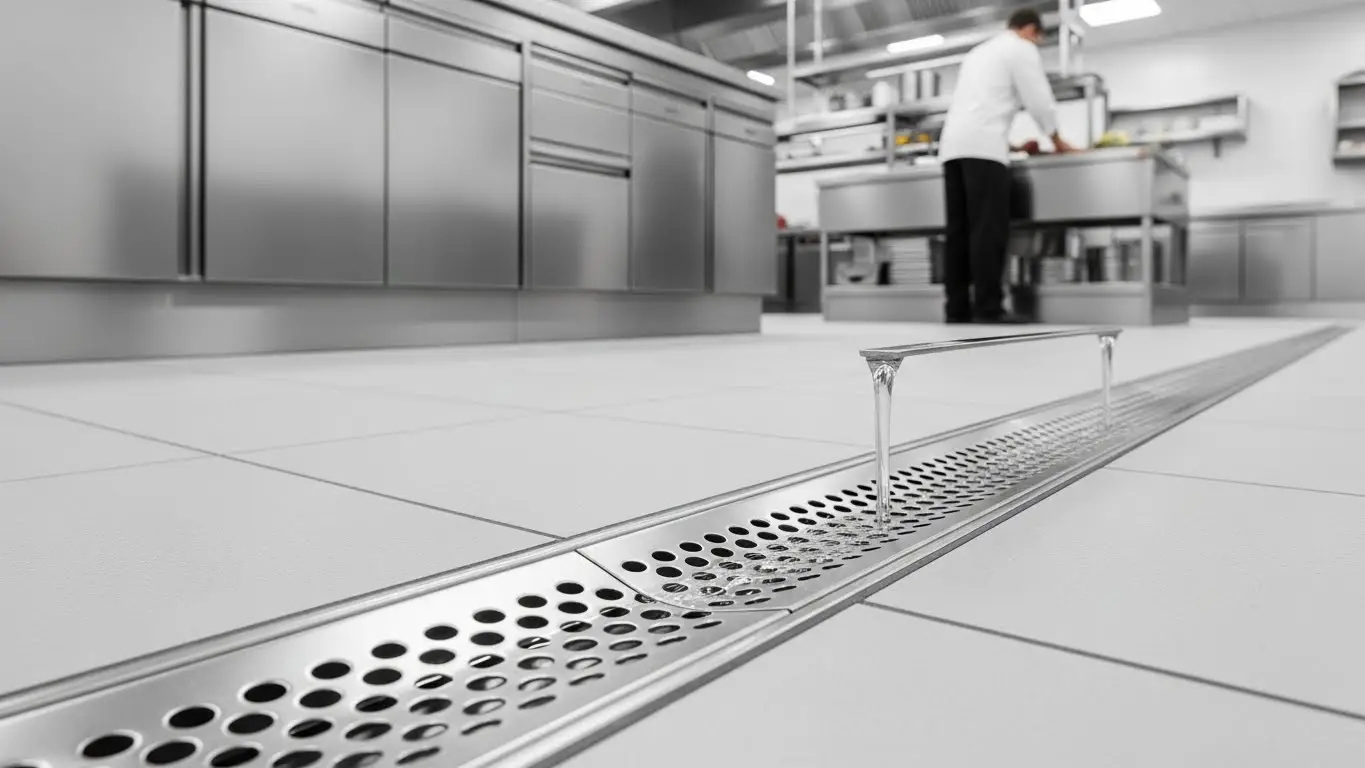
The best hygienic drainage solution will be one that represents excellence in technical performance and usability. The MEA(r) Hygienic Floor Drain (Model D-G168.168N) exhibits all these qualities excellently:
Slip-Resistant Gratings: Provide safety to the floor, including the wet conditions, and minimize the chances of slips and falls.
Inbuilt Debris Filter: Blocks the solids larger than 6mm in diameter, and eliminates clogging and enhances drainage performance.
Removable Water Tap (>50mm seal): This prevents odor backflow, and easy accessibility to cleaning is possible.
Stainless Steel 304/316L Construction: It is one that offers excellent resistance to corrosion and a durability factor.
Leak-Sealing Design: Leak-proof and stable edge: Increases hygiene and strength.
Anchor Plates: This is a fixed installation that eliminates the likelihood of movement and structural dislocation.
Technical Data:
- Load Class (EN1253): [?]N250
- Width / Length: 168mm x 168mm
- Material: 304/316L Stainless Steel
Hygienic Drainage Systems Uses
The best hygienic drainage solutions are used in several industries:
Food Processing Facilities: Avoid cross-contamination and observe high standards of food safety.
Laboratories: Make sure compliance with the cleanroom to easy to clean surfaces and chemical resistance.
Hospitals & Healthcare: Infection control should be encouraged through the use of odor-free, hygienic drainage systems.
Commercial Kitchens: Prevent the pooling and growing of bacteria in the kitchen to ensure safety.
Installation and Maintenance Implications
It is important to have a hygienic drainage system installed in an appropriate manner to ensure optimum efficiency and maximum life. Key considerations include:
Subfloor Preparation: A stable base should be insisted upon to keep the drain lines straight and avoid leakage.
Slope Requirements: A Proper slope promotes the maximum amount of water flow and eliminates stagnancy.
Plumbing Standards: Local sanitary codes make sure that standards are adhered to and that there is safety.
Modular Drainage Assembly: This is a modular design that can be easily installed, serviced, and upgraded in the future.
Leak-Proof Designs and Easy-Clean Designs: Internal smooth surfaces and removable traps make cleaning easier and increase sanitation.
The Merits of the Best Hygienic Drainage Solutions
Better Sanitation: Water should not accumulate, grow bacteria, or cause odor to back up.
Durability: The Construction of stainless steel is corrosion and chemical-resistant.
Modular Design: It makes installation and maintenance easier, and the system can be extended.
Performance Optimization: This is ensured with high flow drainage, debris filtration, and anti-backflow design to achieve efficient control of water.
Regulatory Compliance: Promotes food processing, healthcare, and laboratory hygiene standards.
MEA(r) Customized Drainage System Solution
In addition to a single floor drain, MEA(r) provides a system solution that includes the latest technology, high flow rate, corrosion resistance, and modular design. The systems are applicable in:
- Industrial kitchens
- This includes laboratories and cleanrooms.
- Hospitals
- Food processing companies.
Comparison to Conventional Drainage Systems
Best hygienic drainage solutions provide, compared to conventional drains, include:
Material: Hygienic drainage systems consist of stainless steel, 304/316L, which is very corrosion-resistant and long-lasting, whereas traditional drains are usually made of cast iron or PVC.
Safety: Hygienic drains have slip-resistant surfaces and are odor-free, whereas traditional systems often do not include back-flow prevention and slip-resistance.
Maintenance: Hygienic drains include removable traps that are easy to clean, and hence eliminate the need to work hard to maintain the drains, thus requiring less labor and time to maintain.
Durability: Stainless steel material against corrosion gives long-term performance to hygienic systems, whereas the conventional drains are susceptible to rusting, chemical, and wear.
Compliance: Hygienic drainage solutions are hygienic, i.e., they are of a high standard compared to traditional drainage in regard to food processing, healthcare, and laboratories.
Cost & Value: Hygienic drains are regarded to be the best hygienic drainage systems that are highly rated with long-term savings and efficiency, and therefore, they are more cost-efficient as compared to conventional systems.
Tips for Maintaining Good Performance
Frequent Cleaning: Clean up the grates and filters.
Trap Inspection: Periodically check the removable water tap to ensure it has no wear or is not clogged.
Surface Checks: Surfaces should be smooth and without any residues.
Anchor Plate Integrity: It is stable to avoid movements.
Conclusion
The optimal choice of hygienic drainage solutions is a safety, compliance, and long-term operational efficiency investment. Such systems as MEA(r) Hygienic Floor Drain (Model D-G168.168N) are the systems that are combined with technical perfection, modularity, and high hygienism and are used in industrial, commercial, and health care areas.
In case of personalized drainage systems, superior systems, or further details on hygienic floor drains, call CMSA MEA and get a quote today.


