
The Role of City Infrastructure Drainage Contractors in Modern Urban Planning
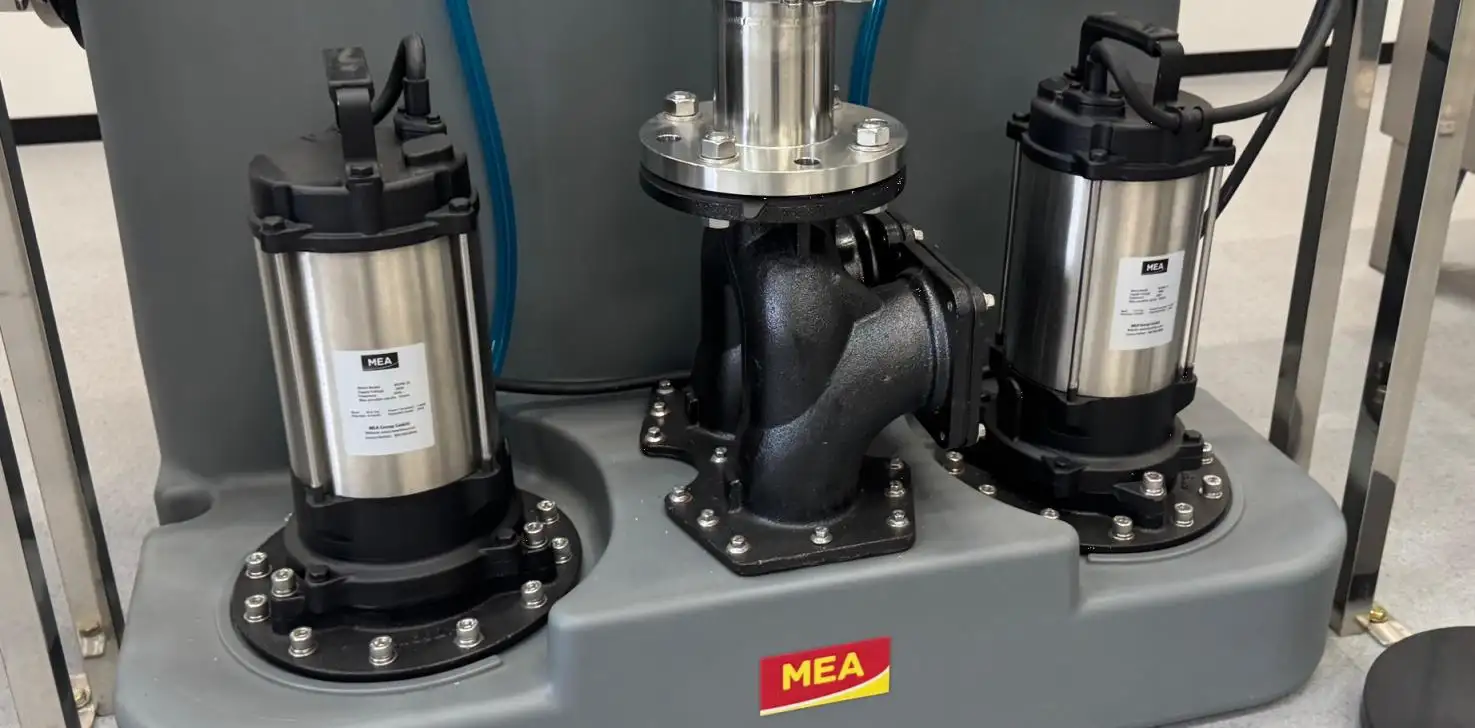
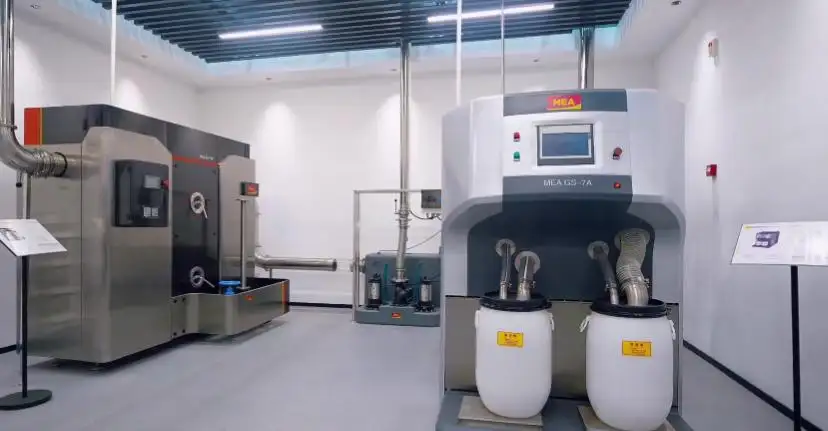
What do City Infrastructure Drainage Contractors actually do, and why do they matter to your city? Most of the time, people only notice drainage when something goes wrong. A flooded junction, a slippery station platform, or water collecting along the kerb. Behind every "normal" rainy day, City Infrastructure Drainage Contractors are quietly at work, shaping how water moves under and around your streets. But their job is not just digging channels or placing kerbs. In the next part, we will uncover what really happens behind the scenes. At CMSA, we work in that hidden layer under your feet, where roads, kerbs and water management meet.
Why City Infrastructure Drainage Contractors Matter More Than You Think
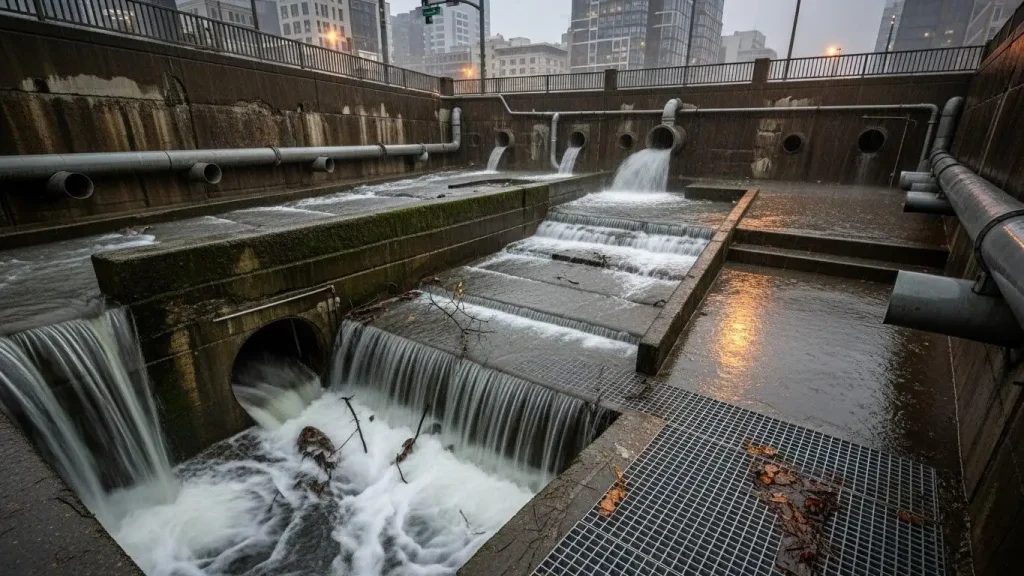
Most people only think about drainage when something goes wrong. A sudden storm hits, water pools at a pedestrian crossing, a station platform becomes slippery, or a basement takes in water. Traffic slows, complaints rise, and everyone asks the same question: "Why didn't the drainage work?"
This is exactly what City Infrastructure Drainage Contractors are trying to prevent every single day.
MEA has been in this business since 1886, starting in Bavaria and growing with cities across Europe and beyond. And CMSA, founded in 2000, has become the sole distributor in South East Asia. Over that time we have watched several big changes:
•Cities are becoming denser and more paved.
•Traffic is heavier, with more buses, trucks and delivery vehicles.
•Rainfall patterns are shifting, with more intense storms in shorter periods.
•Regulations on safety, quality and sustainability are getting stricter.
Old-fashioned point drains and random openings in the kerb can no longer cope with these realities. Modern cities need continuous, well-planned drainage systems that match real traffic loads and real rainfall.
As experienced City Infrastructure Drainage Contractors, our job is simple to describe but hard to execute: give surface water a fast, controlled path away from the road or platform, and do it in a way that is strong, safe and easy to maintain over many years. When we succeed, nobody notices. The road just works.
What CMSA Really Does on Your Streets
From the outside, drainage can look like "dig a trench, drop in a channel, fill it up again." In practice, there is a lot more happening behind each project delivered by City Infrastructure Drainage Contractors like CMSA.
- Integrating Kerbs and Drainage
One good example is our KERB channel series. Instead of building a kerb and then trying to "add" drainage around it, we combine both into one continuous system. The kerb itself becomes the entry point for water.
This approach solves several common pain points:
•Water running along the kerb cannot reach a point drain quickly enough.
•Curved pavements, bus bays and roundabouts are hard to drain with only straight channels.
•Cutting repeated holes in kerbs weakens them and ruins the visual line of the street.
With the KERB, drainage follows the road geometry. It works on:
•Urban and rural roads
•Expressways and high-traffic lanes
•Landscape roads and parkways
•Railway stations and platforms
•Both straight and curved pavements
The result is a clean, continuous edge where water can enter, flow and exit without breaking the kerb line. Certified load classes make sure the system can carry vehicles in busy city areas without deforming or cracking.
- Engineering, Not Just Hardware
City Infrastructure Drainage Contractors like CMSA are not simple suppliers of "drainage pieces." We act more like technical partners to city engineers, designers and contractors.
On a typical project, our work includes:
•Analysing rainfall data, surface area and flow paths.
•Using hydraulic software to size channels and outlets correctly.
•Recommending suitable materials for the environment, from stainless steel for high-hygiene or corrosive zones to polymer concrete for heavy mechanical loads.
•Preparing layout plans and detailed drawings to support tendering and construction.
•Providing BIM libraries so designers can work efficiently in digital models.

Once the design is agreed, our engineers support the site team. We offer installation guidance before work starts and carry out regular visits during construction to check alignment, connections and details. After completion, we assist with inspections and acceptance. All of this reduces risk, rework and delays.
In short, good drainage is not just about which product you choose. It is about how that product is sized, positioned, installed and maintained. That is where experienced City Infrastructure Drainage Contractors add real value.
How to Choose the Right Drainage System and Partner
Many planners, consultants and contractors come to us with the same concern: "There are so many options. How do we pick the right drainage system for this street or station?" The answer is to look at both the technical factors and the partner standing behind the system.
- Key Things We Look at with You
When CMSA designs a solution with a client, we go through a focused checklist:
•Project type - Is it a city centre street, a rural road, a bus lane, an industrial access or a station platform?
•Load and usage - Are we dealing with pedestrians, passenger cars, buses, trucks or mixed traffic?
•Drainage capacity - How intense can rainfall be, and how big is the catchment surface?
•Environment - Are there freeze - thaw cycles, de-icing salts, chemicals, or coastal air to consider?
•Maintenance strategy - How often can the system be cleaned, and with what equipment?
Material selection is a key design decision. Stainless steel provides strong corrosion resistance and supports high hygiene standards, which is vital in stations, food-related areas or zones cleaned with aggressive chemicals. Polymer concrete is tough, wear-resistant and well suited for roads with heavy traffic. As City Infrastructure Drainage Contractors, we combine these materials to match real project conditions, not just what is shown in a catalogue.
A city drainage system should not be fixed in a rigid layout. Modular systems help save time on site and allow quick changes when ground conditions do not match the drawings. They also make it easier to work around hidden utilities or minor route adjustments.
Certification is just as important. Systems that meet CE, EN and local standards prove that the solution is tested, safe and fit for purpose. For asset owners, this supports long-term maintenance planning and reduces technical and legal risk.
- Customisation and Local Support
No two cities are identical. Unusual curves, split levels, mixed traffic, limited depth or heritage surroundings all create special design challenges. At CMSA, we work with clients to adapt our drainage systems to these conditions, whether that means special elements, non-standard lengths or tailored layouts.
We also believe that strong local support is essential. We combine MEA's long global experience with regional know-how. That means faster responses, better understanding of local regulations and solutions that reflect local climate and construction practice.
- Turn Hidden Risk into Reliable City Infrastructure
If your city is planning new streets, upgrading stations or constantly fighting with flooded kerbs and slippery crossings, it may be time to re-think how you handle surface water - and which City Infrastructure Drainage Contractors you trust.
At MEA, we help you:
- Turn complex road and pavement layouts into clear drainage strategies.
- Integrate kerbs and channels into a single robust system instead of patchwork fixes.
- Move away from short-term, reactive repairs toward durable, "build to last" infrastructure.
Call to Action
If drainage is a concern on your current or upcoming project, now is the right time to talk to CMSA. Our experts will look at your design, propose tailored our KERB and linear drainage solutions, and provide guidance from design through to commissioning. Let us help you build streets and public areas that stay open, safe and dry when the clouds break.


