
Linear Drain Systems for Heavy-Duty Applications: A Comprehensive Guide for 2026

A Linear Drain System is a structured surface drainage solution that collects water along a continuous channel rather than at a single point. It combines a precisely engineered channel body, load-bearing grate, and dedicated outlet connection to guide runoff safely into the underground network. Linear drain systems are now applied in buildings, factories, city infrastructure, bridges, roads, and industrial facilities where reliable water management and clean lines are required. As projects enter 2026, the question is no longer whether to use a Linear Drain System, but how to select, design, and integrate it correctly - this guide will address that in detail.
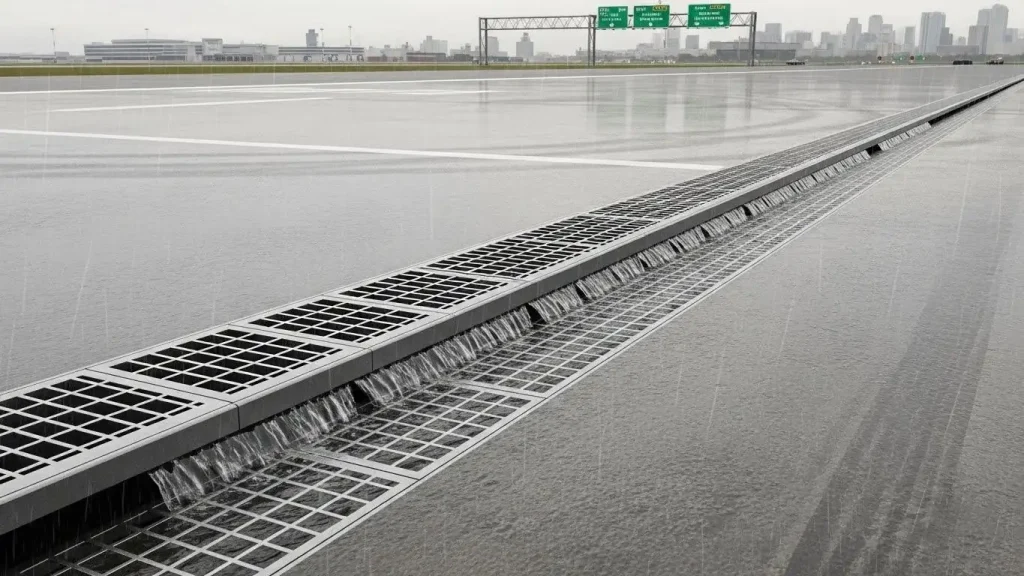
Heavy Infrastructure Drainage with Customizable Linear Drain Systems
Airports, container terminals, highways, and dense urban developments all face similar drainage challenges:
•Surface water that accumulates during intense rainfall
•Premature deterioration of pavements and concrete slabs
•Complex and costly maintenance operations
•Stricter regulations on groundwater protection and pollution control
MEADRAIN® EN Drain Channels responds to these issues by combining continuous inlet lines with high-strength materials and a controlled hydraulic profile. Where scattered point inlets often block or sit at the wrong height, a continuous Linear Drain System captures runoff across the full channel edge and feeds it reliably into the underground system. CMSA partners this concept with polymer concrete channels, reinforced grate assemblies, and engineered outlet details, creating modular layouts that are light to install, almost maintenance free, and fully compliant with stringent structural and chemical performance criteria.
What Is a Linear Drain System?
A Linear Drain System is an engineered surface water management solution designed to efficiently capture and convey runoff along a continuous channel, offering a superior alternative to traditional point drain systems, especially in applications requiring high hydraulic capacity and robust performance.
Key elements typically include:
✅ Channel
The channel body forms the core of the system and is responsible for conveying the captured runoff. Typically constructed from polymer concrete or, in some applications, stainless steel, the channel must possess sufficient structural integrity to withstand anticipated loads, including static and dynamic forces from vehicular traffic or equipment.
✅ Grate Or Cover
The grate serves as the surface interface of the system, providing a safe and accessible inlet for runoff while protecting the channel from debris and damage. Grates are typically manufactured from materials such as ductile iron, stainless steel, or composite materials, selected based on load requirements, corrosion resistance, and aesthetic considerations.
✅ Outlet And Accessories
The outlet is the critical interface between the linear drain channel and the underground drainage network. It facilitates the controlled discharge of collected runoff into the piping system. Outlet location (end, center, or vertical) is a key design consideration, influencing pipe layout, hydraulic gradients, and installation complexity.
In interior applications, a linear shower drain or linear floor drain allows the designer to create a single-direction slope, which simplifies tiling and waterproofing. For infrastructure, a channel drain placed along traffic lanes, kerbs, or apron edges intercepts runoff continuously, which helps reduce localised ponding and improves skid resistance.
Benefits of Choosing a Linear Drain System
A professionally designed Linear Drain System offers a balanced combination of performance, durability, and visual integration that is difficult to achieve with conventional point drains.
- Superior Drainage Performance
Because the inlet is continuous, linear drains provide more effective capture of water over long distances. Such performance is crucial for:
•Airport runways and taxiways facing intense storm events
•Wide, flat traffic areas in logistics parks and parking decks
•Long balcony runs, pool margins, and rooftop plazas
When water is cleared quickly, the system helps prevent aquaplaning, limits water spray into pedestrian zones, and preserves both coatings and pavement structures from prolonged moisture exposure.
- Accessibility and Safety
The grate or cover is the primary interface between the drainage system and the surrounding environment. In heavy application areas, grates must be designed to withstand significant loads from vehicles, equipment, and foot traffic. This often necessitates the use of robust materials like ductile iron or heavy-duty steel.
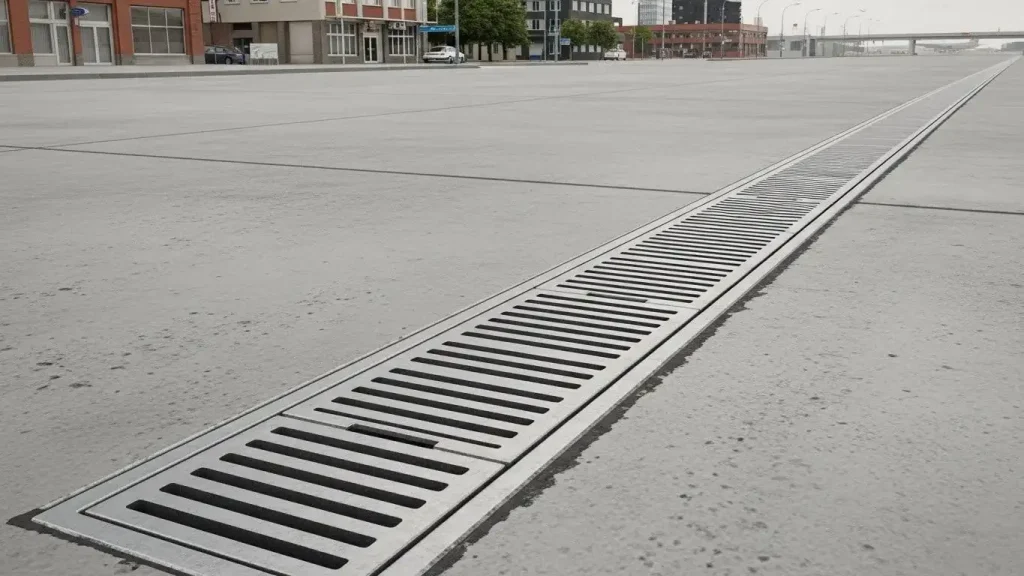
- Aesthetics And Design Freedom
Linear drainage supports contemporary architectural language:
•Tile insert linear drain solutions allow the grate to be infilled with the same surface material, creating a nearly invisible line.
•Wedge-wire and decorative grates give a refined technical appearance in hospitality, retail, and public buildings.
•Low-visibility outdoor linear drains with fine, narrow slots sit comfortably within paving patterns, kerb lines, and façade zones, providing robust drainage while remaining visually discreet.
- Easier Cleaning And Maintenance
An extended slot and easily removable grates offer unhindered access to the channel. The smooth, dense polymer concrete surface inside resists sediment adhesion, keeping deposits to a minimum, reducing blockage events, and making planned cleaning operations faster and more consistent.
CMSA Linear Drain System Solutions for
CMSA is the sole distributor in South-East Asia of a leading European polymer concrete drainage range and delivers Linear Drain System solutions tailored for demanding industrial and infrastructure environments.
1) By Material
• Polymer Concrete Channels
Engineered polymer concrete combines high compressive strength with robust freeze - thaw performance and excellent resistance to fuels, de-icing agents, and detergents. The material is almost maintenance-free, can be recycled at end of life, and its low permeability supports long-term groundwater protection.
2) By Outlet Location
Depending on the project, CMSA can design the Linear Drain System with center outlets, end outlets, or vertical drop outlets. This flexibility allows drainage layouts to follow the real pipe network and structural grid, reducing unnecessary crossings and installation complexity while improving hydraulic reliability.
3) By Application
From linear floor drain systems in commercial buildings to heavy-duty channel drainage in road and rail environments, CMSA solutions address:
•Heavy traffic and loading areas
•City streets, public plazas, and tram zones
•Industrial plants and logistics yards
•Balconies, terraces, and pool decks
To support engineers and architects, CMSA also supplies CAD data, BIM models, and detailed design and calculation assistance. This enables the Linear Drain System to be integrated into digital design workflows from the earliest project phase.
Call to Action
If you are preparing a new apron, terminal expansion, urban boulevard, or high-end mixed-use scheme, bring CMSA into the design process early. We support you with Linear Drain System planning, BIM-ready product data, and accurate hydraulic calculations tailored to your site.
Choosing the Right Linear Drain System: Key Considerations
Selecting the appropriate Linear Drain System should be based on technical criteria, not only appearance.
- Hydraulic Capacity
Designers should calculate expected flows using rainfall intensity, contributing surface area, or fixture output, then verify that the chosen channel geometry and outlet configuration can safely transport the design storm without overflow.
- Outlet Size And Positioning
Every outlet should be planned in relation to the load-bearing structure, reinforcement zones, and existing service lines. Choosing end or vertical outlets frequently allows for shorter pipe layouts, faster installation, and more reliable hydraulic gradients.
- Material And System Compatibility
Channel and grate materials must be compatible with the flooring, waterproofing membrane, joint sealants, and any expected chemical exposure. Correct selection prevents premature corrosion, cracking, or delamination.
- Visual Integration
Patterns, slot openings, and coatings on the grates should tie in with the architectural style, yet still offer anti-slip performance and easy lift-off for maintenance personnel.
Linear Drain Maintenance and Cleaning
The goal is minimal day-to-day work, but a simple maintenance routine protects hydraulic capacity over the long term:
•Define a regular inspection cycle to remove organic material, trash, fine sediment, and hair from both grates and channels.
•Use tools and cleaning agents that are compatible with polymer concrete and stainless steel to avoid surface damage.
•Investigate slow drainage, standing water, or odours promptly; these symptoms often indicate partial blockage in outlets, traps, or downstream pipework.
Clear procedures and durable materials extend service life, reduce unplanned interventions, and maintain hydraulic capacity close to the original design values.
Linear Drain Systems Vs. Traditional Drains
Against conventional point drainage, the Linear Drain System stands out through:
•Hydraulic Reliability: Continuous capture along the length of the channel supports predictable flow paths even on complex slab geometries.
•Simplified Gradients: One-direction slopes reduce the need for multi-plane falls and make it easier to coordinate with door thresholds and finishes.
•Durability: Polymer concrete channel elements and purpose-designed grates show high resistance to abrasion, impact, and chemical attack.
•Architectural Flexibility: Whether using narrow slot drains or tile-in grates, the system integrates smoothly into the visual design of floors, terraces, and façades.
For asset owners, operators, and designers working under increasing performance, sustainability, and safety expectations, the Linear Drain System has moved from a specialist option to a best-practice standard.
Call to Action
If your 2026 projects involve critical surfaces - runways, terminals, streetscapes, or premium interiors - partner with CMSA to specify a Linear Drain System that unites structural reliability, hydraulic efficiency, and architectural quality in a single integrated solution. Get a free quote for your linear drain system project. Contact us today!


