
How to Clean and Maintain Stainless Steel Slotted Channel Grating?

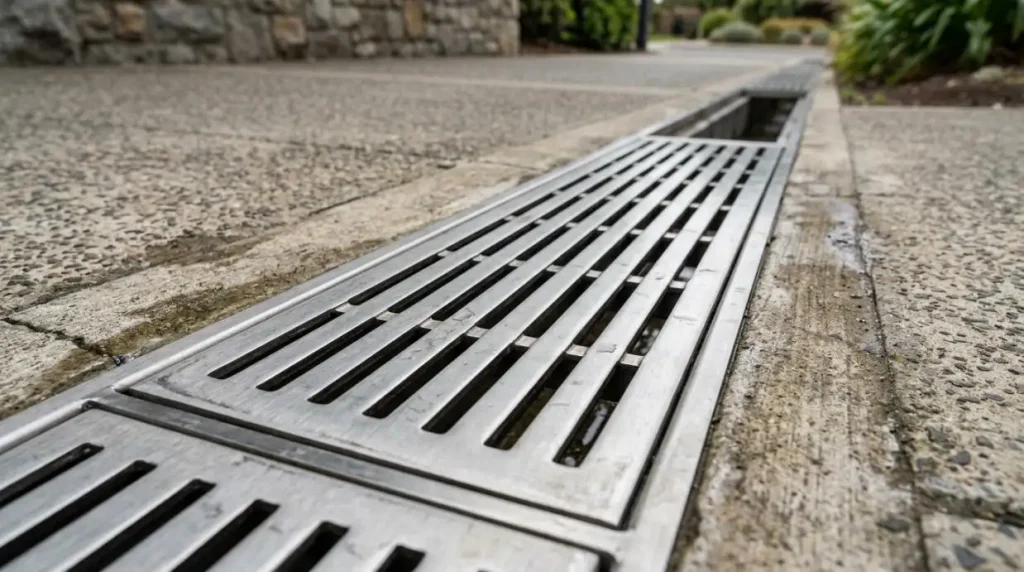
Slotted Channel Gratings made of stainless steel are a great choice as an industrial, architectural, and drainage systems flooring alternative. Customers like them because they are corrosion resistant, looking good, and strong. Over time, even the strongest and most durable products require maintenance, and that is the case with Slotted Channel Gratings. This article will outline the types of daily and periodic maintenance these gratings will need.
Why It's Necessary to Maintain Slotted Channel Gratings
Stainless steel does not stain, but it is not stain proof either. If they are left to get dirty, channel gratings can lead to:
•Clogs and reduced drainage through the slots.
•Pitting, corrosion, and discoloration.
•Slippery surface residues.
•Higher replacement and maintenance costs due to corrosion and reduced service life.
Discolored and degraded Slotted Channel Gratings become neither functional nor attractive.
What You Will Need
To get started, safety and effectiveness should be the priority when selecting tools and cleaners. The following suggestions meet this need:
•Microfiber Cloths
•Soft-Bristled Brushes
•Non-abrasive Polishing Agents
•Mild Dish Soap
•Stainless Steel Cleaner
•Baking Soda
•White Vinegar
•A High-Pressure Hose or Spray Nozzle
•Protective Gloves
Steel wool, wire brushes, bleach, or hydrochloric acid should not be used, as they are destructive to the grating's protective oxide layer.
Cleaning Stainless Steel Slotted Channel Grating
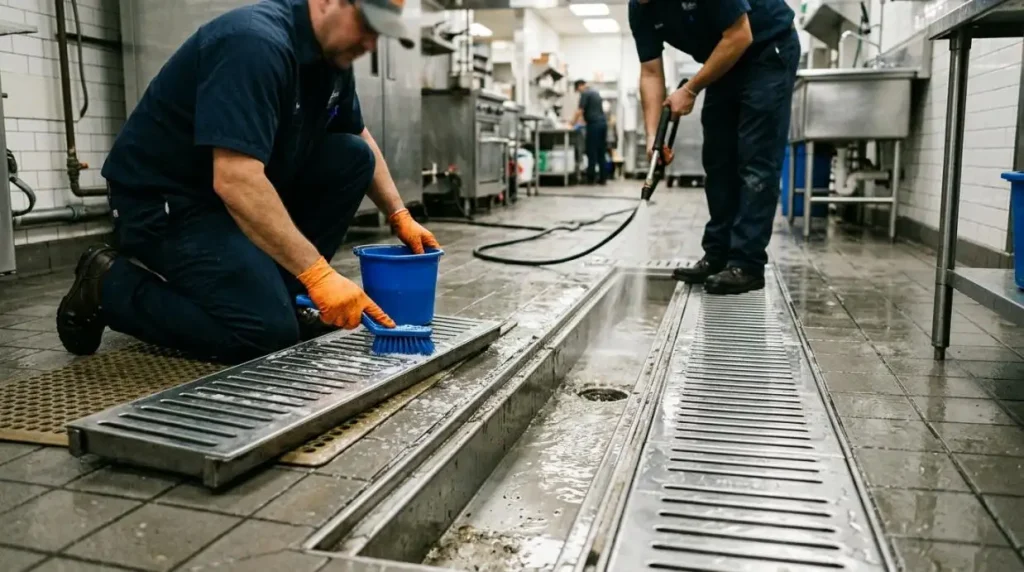
For the best results, deep cleaning should be done every 2 to 4 weeks. In grout, grease, and other high-maintenance, high-traffic settings and applications, cleaning should be done more frequently.
1. Remove Loose Debris
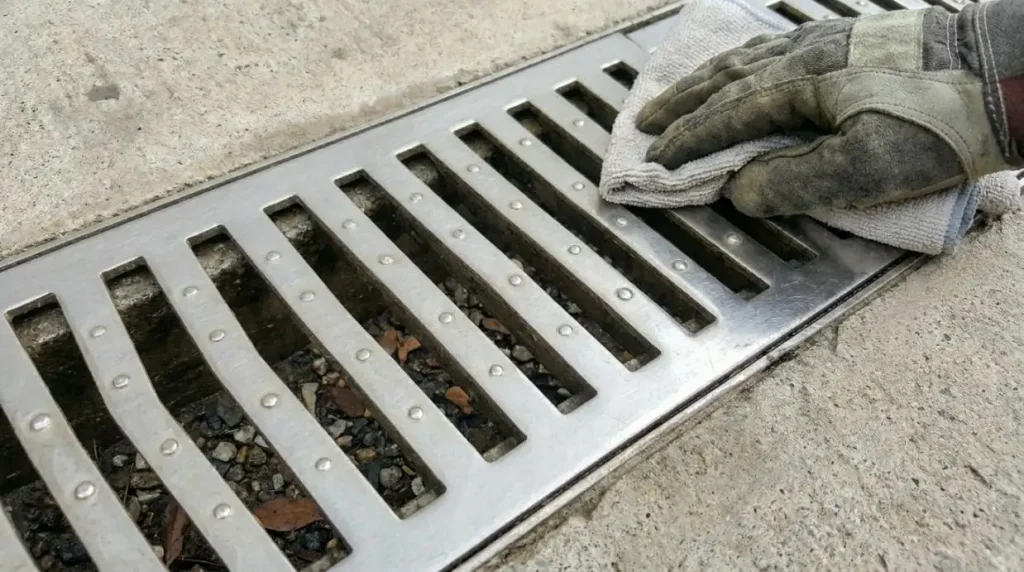
If removable, lift the Stainless Steel Slotted Channel Grating and use a soft brush to remove leaves, sand, dirt, and small stones. Remember the slots—the purpose of the grating is lost if the slots are clogged.
2. Water Pre-Rinse
A low-pressure hose or power washer will effectively pre rinse grating before washing. Rinsing will dislodge most debris and stubborn spots.
3. Make a Mild Cleaning Solution
Dissolve a small amount of dish soap into warm water. Cleaning is most effective if you scrub along the grain and channel slots with a brush or cloth. Bristles of the brush should be inserted into the channel slots and channel slots should be thoroughly cleaned.
4. Prepare for Residue
Some residue will not come off easily. For grease, oil, and hard water stains, a baking soda paste should be applied and left for 10 minutes before rinsing.
5. Pre-Clean, Rinse, and Dry
Rinsing and degreasing grate must be rinsed using drinkable water followed by thorough drying using a microfiber cloth. A microfiber cloth is preferred to avoid leaving fabric imprints / getting stains on the grating.
6. Polish
Stainless steel polish can be used to polish grating. A soft cloth can be used to apply the polish and buff lining the grain.
Deep Cleaning for Rust or Heavy Corrosion
True stainless steel rarely rusts. However, surface rust can develop if carbon steel (from tools, bolts, or nearby work) gets embedded into the Stainless Steel Slotted Channel Grating. The solution for surface rust...
•Use a specially formulated stainless steel cleaner. Bar Keepers Friend® or a mixture of lemon juice and cream of tartar can be used.
•These can be applied to the spots. And rub using a nylon pad. (Avoid using steel wool.)
•These rust removers can be rinsed and should be dried immediately. For these more extensive rust problems, consider passive acid pickling and contact your local professional.
Routine Maintenance Schedule
Using your environment, set up a calendar.
| Frequency | Task |
| Daily (commercial kitchens/chemical plants) | Look for debris and chemical spills. (These should be rinsed off.) |
| Weekly | Light brushing and rinse with water |
| Monthly | Complete cleaning (using steps 1-6 above) |
| Quarterly | Inspect for damage to fasteners, frame seals, and edges of the slots |
| Annually | Professional inspection if grating is load bearing |
Preventive Measures to Extend Lifespan
To protect your Stainless Steel Slotted Channel Grating:
•Use proper installation – make sure grates are draining properly and secured to prevent wear and vibration.
•Use protective mats for high-abrasion areas (ex: areas with fork lift traffic) to avoid scratching.
•Avoid exposure to chloride – Do not let saltwater or deicing salts pool on the grating. Rinse promptly if exposed.
•Avoid putting tools and hardware made of carbon steel directly onto the Stainless Steel Slotted Channel Grating to avoid galvanic corrosion.
•Re-tighten your bolts – losing fasteners cause slot edges to erode.
Common Mistakes to Avoid
❌Don't use bleach or hydrochloric acid. The chromium oxide layer is destroyed, and pitting will occur.
❌Use less aggressive power washing methods. High-pressure washing on thin slotted gratings can cause warping.
❌Cleaning the top only. Debris left on the underside can trap moisture and cause hidden corrosion.
❌Using multiple cleaning tools. Do not use a cleaning brush that has contacted carbon steel. It will transfer ironing particles.
❌Don't skip the drying step. "Tea staining" or brown discoloration will occur if water is left standing.
Conclusion
When the right tools and relievers are used and a consistent cleaning schedule is maintained, the cleaning and maintenance of the Stainless Steel Slotted Channel Grating becomes easy. The efficiency of the drainage and the modern look of the grating remain if debris is removed, harsh chemicals are avoided, and the surfaces are thoroughly dried after each cleaning. Corrosion and loss of functionality will not occur if the grating is maintained and the habits are followed as suggested at the facility's entrance and Dr. Evans driveway. The grating should last for over 20 years. A few minutes of care today will prevent costly replacements tomorrow.
Frequently Asked Questions (FAQ)
Q1: Can I use a pressure washer on my Stainless Steel Slotted Channel Grating?
Yes, but only at low and medium settings. High pressure can bend the thin slotted channels and force water into sub-surface crevices. Always maintain a distance of 12 inches.
Q2: What is your recommendation for the frequency of deep cleaning Stainless Steel Slotted Channel Grating?
For general use, indoors and outdoors, once a month is adequate. For greasy kitchens, chemical plants, or coastal locations, an increase to weekly or bi-weekly cleaning is justified.
Q3: What should I do about spotting rust?
All are most likely embedded tea staining or Carbon Steel contaminants. Removal can be achieved with baking soda paste and a stainless steel cleaner. If staining persists, a passivation gel is warranted. Use of wire brushes is prohibited.
Q4: Can I use bleach to clean Stainless Steel Slotted Channel Grating?
Because of the creation of pitting corrosion, the passive layer is also attacked by bleach and other chlorides. In this case, a pitting corrosion wiped away with mild soap, vinegar, or stainless steel cleaner is acceptable.
Q5: After cleaning, can I walk on the grating?Yes. Cleaning leaves it in a like-new condition with no chemicals or other contaminants.


