
How Automatic Grease Trap Enhance Work Flow and Cost-Saving in a Long-Term Run
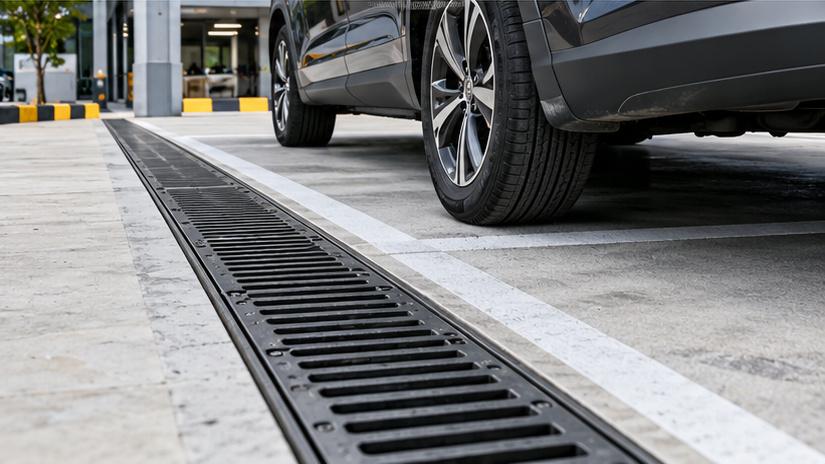
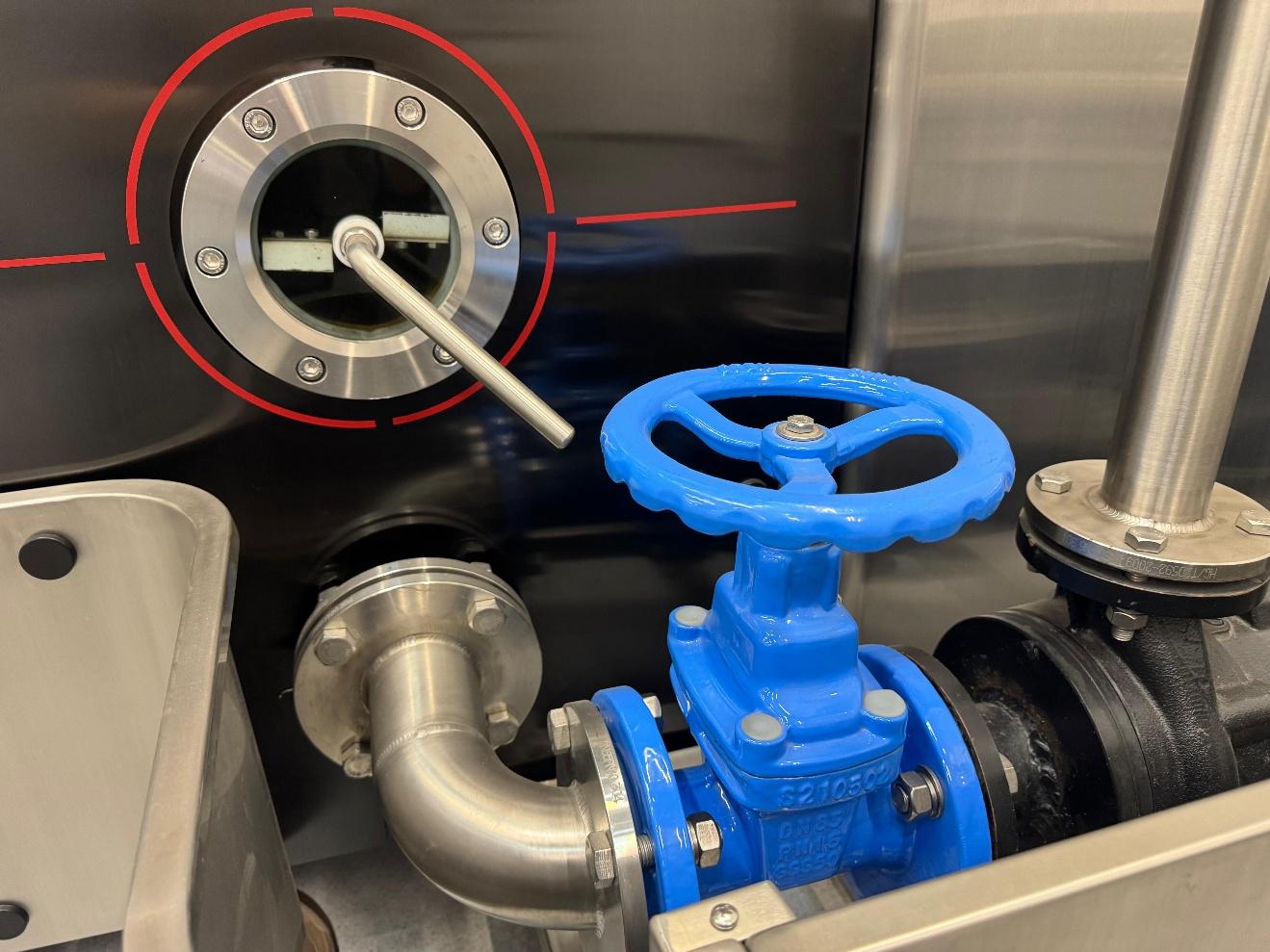
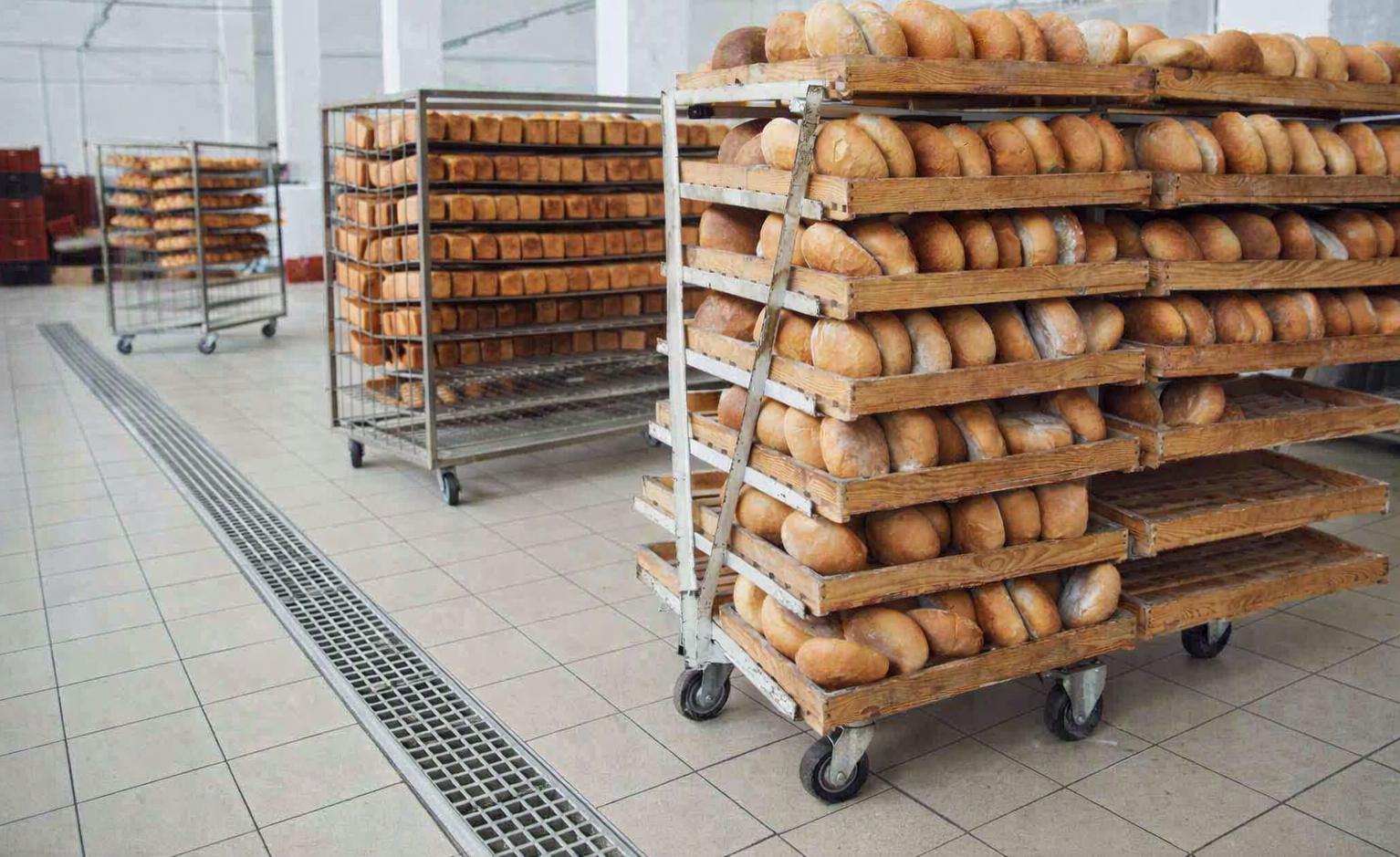
An Automatic Grease Trap for Fast Food Chains is a product designed to help reduce manual grease management, block drainage, and facilitate kitchen maintenance in high-volume commercial kitchens. Long-term cost savings will depend on the grease traps’ separation capacity, degree of automation, characteristics of the wastewater being treated, and maintenance needs.
For a restaurant chain with multiple locations, identifying the right system usually comes down to an evaluation of up-front costs and the labor costs, waste disposal costs, equipment service costs, and potential loss of business due to equipment downtime.
Challenges of Grease Management for Fast Food Chains
Kitchens for fast food chains generate wastewater laden with fats, oils, grease (FOG), food solids, and detergents. Wastewater load and characteristics vary due to the nature of food service and the equipment used to clean the kitchen and equipment.
During peak hours, the high volume of flow to the grease interceptor can make hydraulic retention time insufficient to allow grease to rise and be separated from the water.
Challenges associated with grease management systems:
• Blockages: FOG collects in pipes and causes blockages and obstructions.
• Odors: The collection of grease, sludge and other organic wastes create offensive odors. Food service establishments are required to manage them.
• Unplanned downtime: Blockages caused by grease interceptors that are too small obstruct drainage and require cleaning.
• Equipment Failures: The failure of grease interceptor equipment obstructs drainage.
An automatic grease trap for fast food chains may assist with the removal of waste, however the constant waste removal relies on the correct sizing.
Automatic Grease Traps for Fast Food Chains
Two-Stage Separation and Grease Removal
Grease primarily separates based on density. As such, the heavier food solids may remain in the wastewater or be separated mechanically.
A two-stage system has the benefit of separating solids before the wastewater enters the grease separation chamber.
Variability in performance includes:
• Peak wastewater flow and the grease’s hydraulic retention time
• Concentration of grease and the characteristics of the suspended solids
• Temperature of the wastewater
• Effective volume for grease separation and the amount of sludge that has accumulated
Not all emulsions are stable. Emulsified oils, for example, may remain stable for a long time and may not separate using gravity.
Automated Cleaning and Monitoring
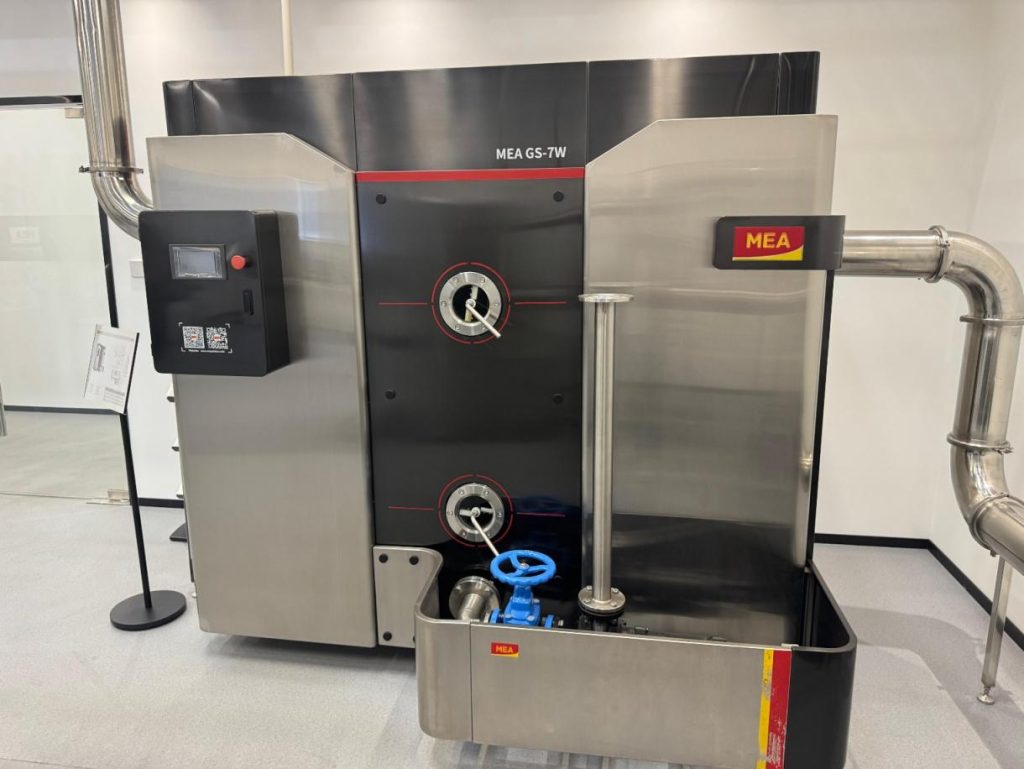
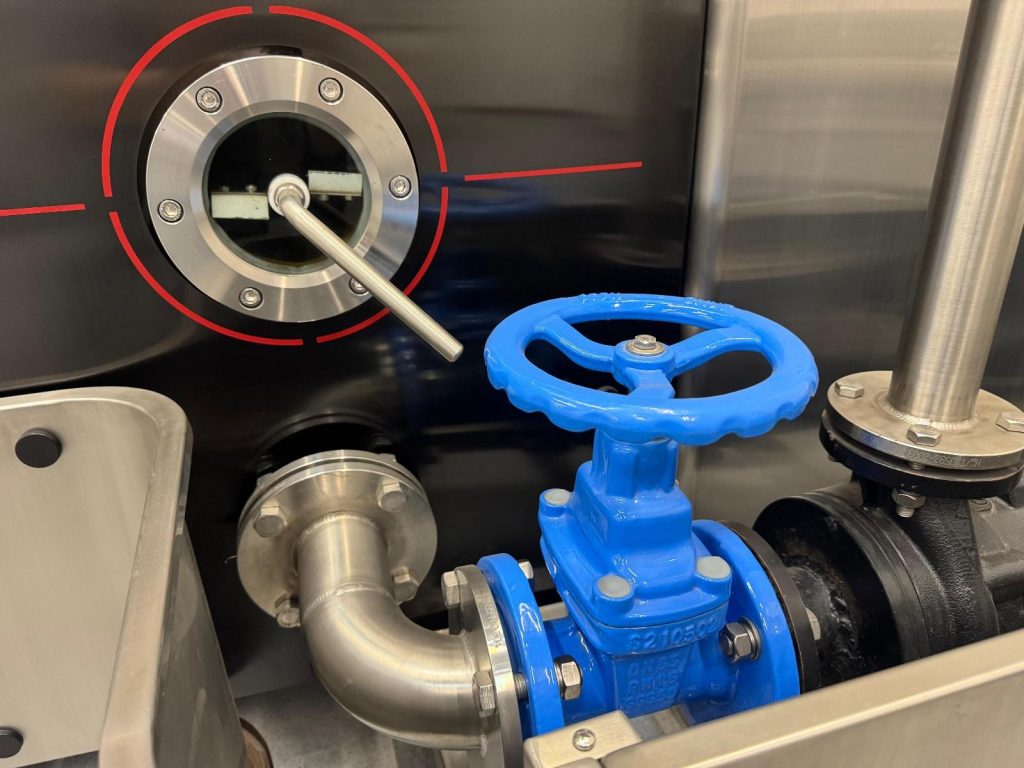
Some automatic grease traps include a heater and discharge system. Cleaning may be accomplished by self-cleaning brushes or high-pressure flushing. Some MEA® HDPE Grease Traps are equipped with level sensors to indicate when sludge has accumulated and needs to be removed. The systems may be further automated with a discharge for oil. Even with the additional automation, systems do not eliminate the need to perform regular inspections of grease traps.
Improving Kitchen Workflow With Automatic Grease Traps
Automatic Grease Traps for Fast Food Chains improve the workflow of a kitchen by automatically managing certain elements of grease removal.
A typical workflow is collection of wastewater, separation of solids, and separation of grease, followed by the automated removal of waste, and scheduled inspections.
The main benefits of this system for the multiple location restaurant operator are:
• Less manual intervention: Less time needed by employees to remove grease and sludge.
• More predictable servicing: Alerts provided by the system to indicate abnormal operating conditions.
• Standardized procedures: Restaurant headquarters are able to define uniform procedures for inspections and servicing.
Automatic reversal of sludge removal elements may also reduce mechanical blockages.
While fully automated grease removal means less manual intervention, grease collection containers, sensors, pumps and mechanical cleaning elements are still subject to regular service.
Automatic vs Traditional Grease Traps: Technical and Cost Comparison
| Factor | Traditional Grease Traps | Automatic Grease Traps |
| Principle of Separation | Gravity | Gravity |
| Grease Removal | Manual or contracted removal | Automatic removal |
| Sludge Removal | Scheduled cleaning | Scheduled cleaning |
| Monitoring | Mainly manual inspection | Automated monitoring |
| Cost | Higher initial cost | Higher initial cost |
| Maintenance | Less manual servicing | Less manual servicing |
| Operating Costs | Labor and waste collection | Labor and waste collection |
For high volume kitchens, the cost of automation may be recovered by savings from reduced manual grease removal.
How Automatic Grease Traps Reduce Long-Term Costs
The Financial value of an Automatic Grease Trap for Fast Food Chains should be determined by total cost of ownership.
Estimating Five-Year Operating Costs
A cost model that is easily adaptable is:
Five-Year TCO = Cost of Equipment + Cost of Installation + Five Years of Operating Costs
Annual operating costs consist of:
• Labor for cleaning and inspection
• Collection/Disposal of grease and/or sludge
• Energy for heating and operation of mechanical systems
• Preventive maintenance and replacements
• Repair of drainage and unplanned operational shut downs
The estimated simple payback period is:
Payback Period = Additional Initial Cost ÷ Annual Operating Savings
As an example, automated sludge handling may reduce the need for labor for cleaning, but the financial impact will depend on the local wages, how often it is serviced, and any maintenance agreements.
When restaurant groups evaluate operating expenses for similar locations, they will better understand the potential automation savings.
Automatic Grease Traps for Quick Service Restaurants
The characteristics of the wastewater should determine the grease trap design and not the size of the restaurant floor space.
Peak simultaneous wastewater discharge, daily grease loading, wastewater temperatures, local wastewater regulations, and available space for installation should be taken into consideration.
Design and materials impact the price. HDPE, for example, is lighter weight and less corrosive than stainless steel. The material of choice will be influenced by various service and installation conditions.
CMSA HDPE Grease Trap: Construction and Dimensional Specifications
The CMSA HDPE Grease Trap has a maintenance feature and is fully automated. It is designed to eliminate the manual labor associated with cleaning grease traps. The main components of the HDPE Grease Trap are designed to remain buried in the soil.
The following is a representation of CMSA’s GS-5H specifications:
| Specification | Parameter |
| Nominal Flow Rating | 5 L/s |
| Material | High Density Polyethylene |
| Nominal Wall Thickness | 12 mm |
| Inlet/Outlet | DN160/DN160 |
| Length (L1) | 2,428 mm |
| Width | 1,840 mm |
| Height (H1) | 1,895 mm |
| Empty Weight | 275 kg |
| Optional Automatic Oil Discharge | Up to 25 L/h |
The integrated-molded HDPE structure, defined wall thickness, and connection dimensions, provide important engineering information for planning the installation of the grease interceptor.
However, nominal dimensions do not represent manufacturing tolerances. Purchasers who wish to obtain information on dimensional precision should require verification of wall thickness tolerances, connection tolerances and inspection documentation.
There are other features such as automatic sludge removal, constant temperature heating, intelligent alarms, and a detachable design.
There are a number of criteria that should be reviewed prior to purchase. These include requirements for electrical connections, drain connections, vent connections, and access for servicing. Separation performance should also be reviewed.
Relevant references include Euro Norm EN 1825 for selection and installation of grease separators and ASME A112.14.4/CSA B481.5 for Automatic grease removal devices and local regulations for discharge of FOG. Confirm compliance with respect to the specific configuration.
Uniform size calculations, maintenance and supplier documentation across all sites is essential for consistent performance with multiple restaurant sites.
The Automatic Grease Trap for Fast Food Chains can be an excellent investment when automation is implemented to significant improvement in operational efficiency and a reduction in costs. To learn more, check out Explore MEA® HDPE Grease Traps to see what configurations are available and to discuss your Grease Management needs.
FAQs
Q1: What automatic grease trap does CMSA offer for fast food chains?
CMSA offers the MEA® GS-5H HDPE Grease Trap, featuring two-stage separation, automatic sludge removal, and intelligent monitoring.
Q2: What is the flow capacity of CMSA’s GS-5H grease trap?
The GS-5H has a nominal flow rating of 5 L/s. Actual suitability depends on the kitchen’s peak wastewater discharge.
Q3: Does CMSA’s HDPE grease trap support automatic grease discharge?
Yes. Automatic grease discharge is an optional feature with a maximum published capacity of 25 L/h.
Q4: How does CMSA’s grease trap handle food solids?
It uses two-stage separation and an automatic sludge-removal mechanism to separate and discharge accumulated solid waste.
Q5: Does CMSA provide automatic monitoring and alerts?
Yes. The GS-5H uses level-sensor control, intelligent monitoring, and automatic warnings to support maintenance management.


