
Choices and Benefits of MEA Topslot Linear Drain: Triple, Double and Single
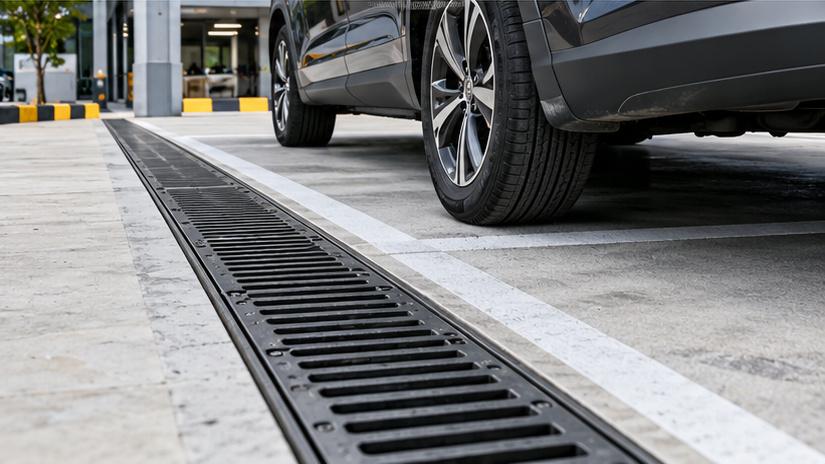
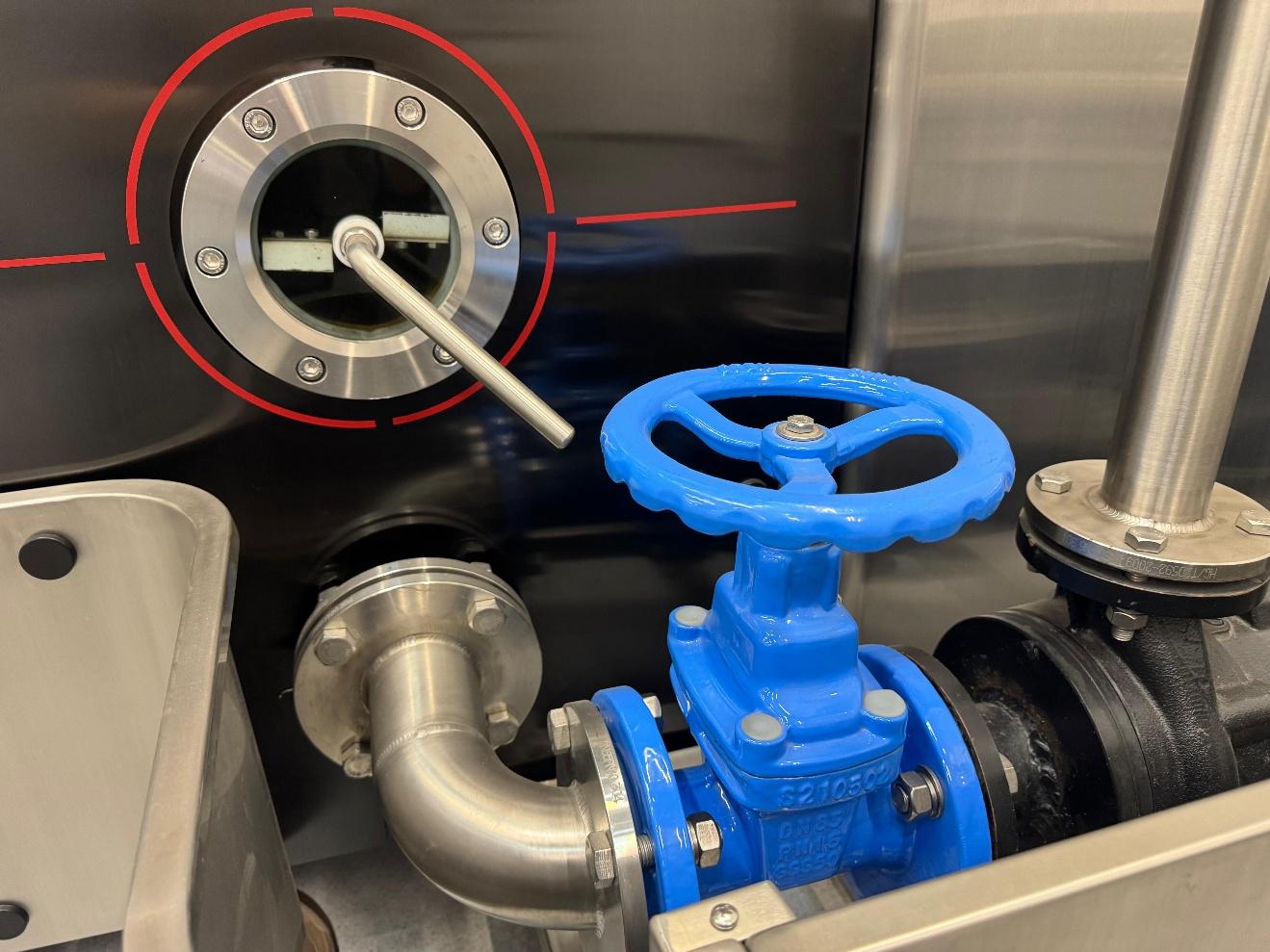
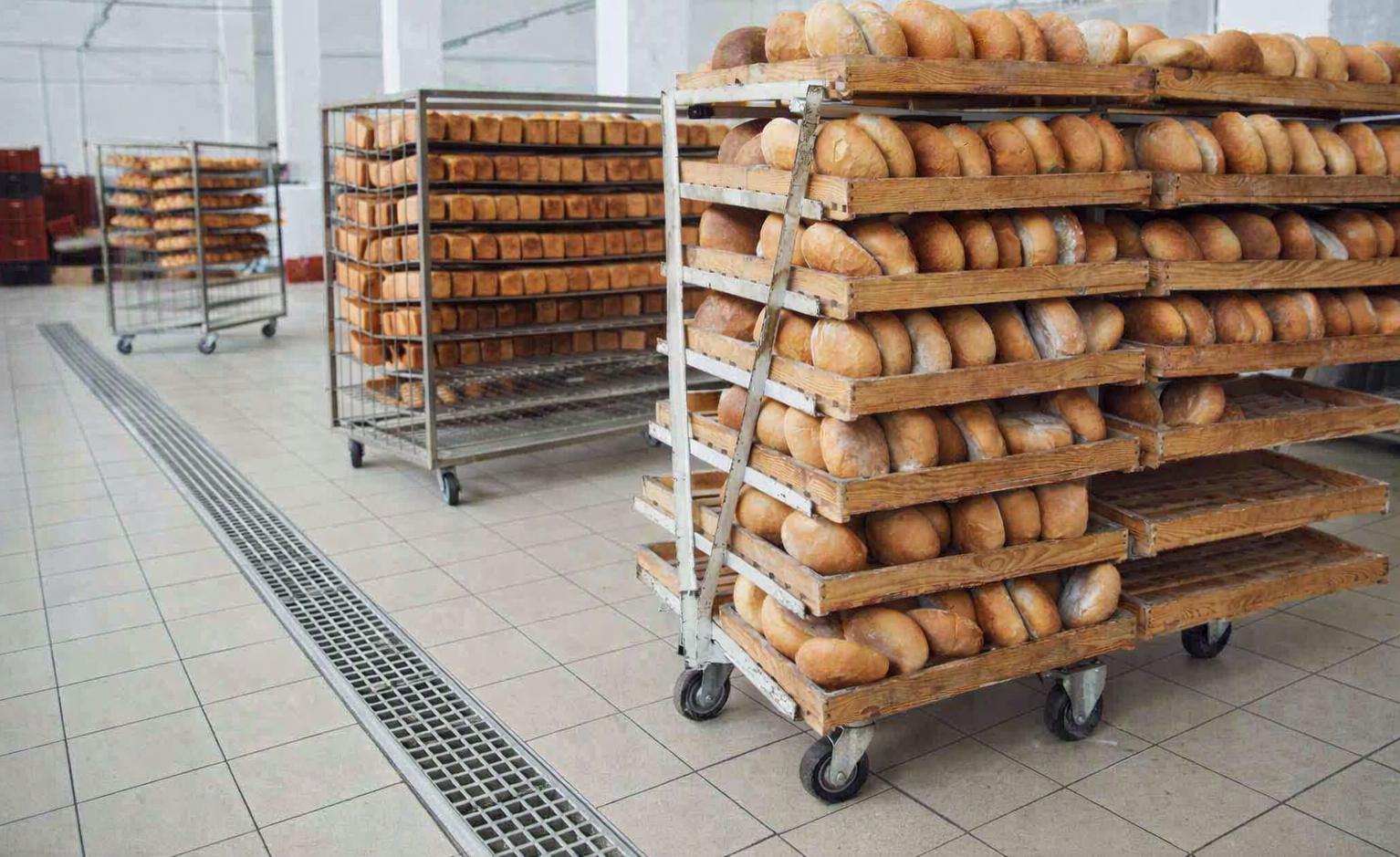
The MEA® TopSlot Linear Drainage System provides a discreet, linear means of capturing surface runoff through specially designed narrow openings in paving. Used for drainage along walkways, commercial plazas, and building perimeters, it offers multiple configurations including single, double, and triple slots. The choice ultimately depends on inlet geometry and hydraulic capacity as well as the structure and or installation conditions.
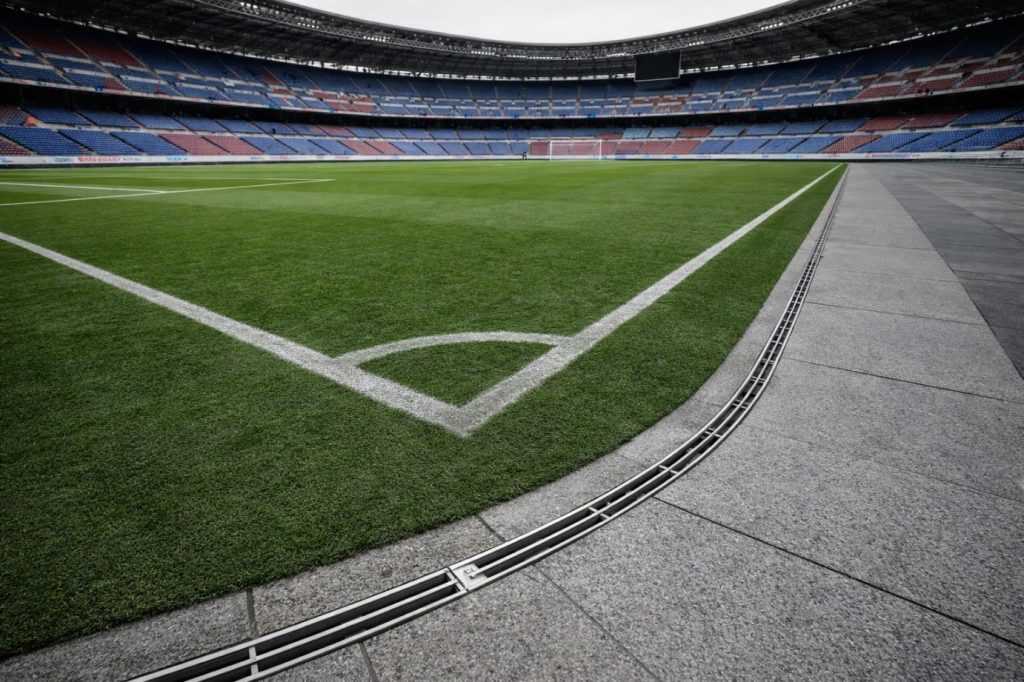
More inlet area doesn’t necessarily translate to an increase in capacity. Understanding the difference between the two helps engineers to make an optimal decision regarding drainage systems.
How does the MEA® TopSlot Linear Drainage System Work?
The MEA® TopSlot Linear Drainage System incorporates the following three elements:
– A cover that captures runoff through specially designed narrow openings.
– An underground, linear channel that conveys runoff to a discharge point.
– An outlet that connects to the drainage network downstream.
The drainage system basically consists of an inlet, an underground channel, and an outlet. The inlet captures the runoff and the underground channel conveys the runoff to the outlet. A narrow inlet can not always be made up for by increasing the width of the channel and/or restricting the outlet.
Single vs. Double vs. Triple Slot Drainage: Key Differences
The MEA® Topslot Linear Drainage System offers single, double, and multiple-slot design possibilities. Triple-slot arrangements should be treated as custom design options subject to CMSA confirmation.
| Feature | Single Slot | Double Slot | Triple Slot* |
| Surface openings | One | Two | Three |
| Appearance | Minimalist | Balanced | More prominent |
| Inlet arrangement | Concentrated | Distributed | Wider distribution |
| Potential inlet area | Design-dependent | Potentially larger | Potentially larger |
| Maintenance | Fewer openings | More openings | More openings |
| Design priority | Visual simplicity | Inlet distribution | Custom runoff collection |
Triple-slot availability and performance require project-specific verification.
Does More Slot Area Mean Greater Drainage Capacity?
That could very well be the case.
The effective inlet area depends on a number of factors. These include slot width, slot length, slot spacing and obstructions. While a given arrangement of slots may have a smaller total opening area than some other arrangement, it may have a better discharge due to channel geometry, slope and outlet constraints.
A reliable comparison requires manufacturer-specific hydraulic data rather than slot count alone.
Engineering Benefits of the MEA® Topslot Linear Drainage System
Unlike conventional wide-grate drains, Topslot designs maintain a narrow surface profile while positioning the main drainage channel below the finished paving.
Benefits of the proposed solution:
• Uniform design: Slot sizes can be integrated with stone, concrete and tile surfaces.
• Flexible positioning: Slots can be centered, side-by-side or continuously curved.
• Adjustable dimensions: Covers and channels can be sized to project requirements.
• Loading: Some configurations can be used to accommodate vehicle and/or pedestrian loading.
Visual privacy, to the degree required, can be obtained by using single-slot configurations. For distribution of surface inlets, use double or multiple-slot configurations.
Manufacturing Dimensions and Customization at CMSA
Dimensional consistency matters because poorly aligned slot covers can create uneven paving joints, installation gaps, and local ponding.
CMSA offers the following specifications for the MEA® Topslot Linear Drainage System:
| Manufacturing specification | Available configuration |
| Channel clear width | 100–300 mm |
| Cover thickness | 1.2, 2, or 3 mm |
| Slot height | Customizable |
| Slot position | Center, side, arc, multiple |
| Channel body height | Multiple options |
| Loading class | Up to D400 |
These dimensions provide measurable design options, not manufacturing-tolerance guarantees.
How to Select the Right Drainage Configuration
Certain situations require designers to request fabrication drawings with specified information regarding slot widths, height tolerances, cover and joint alignments and allowable dimensional changes. CMSA’s specifications do not call for a uniform manufacturing tolerance.
Application and Exposure Considerations
Choose designs to include an allowance for low flows. Confirm inlet interception, channel capacity and outlet discharge.
Design considerations may include:
• Residential walkways: Minor grade changes and low volumes of flow.
• Commercial plazas: Greater grade changes and higher volumes of flow.
• Building perimeters: Paving alignment.
• Vehicle accessible: Classification of loads and supporting structures.
Loading Classes and Material Selection
The CMSA offers Topslot configurations from A15 to D400. In EN 1433, these classes represent progressively higher standardized test loads.
A D400 class topslot, for example, would represent a 400 kN test load. This would not represent an allowable vehicle load.
Stainless Steel options 304 and 316 are also listed by the CMSA. In environments which are more corrosive, the use of 316 stainless steel may be prudent.
Installation, Maintenance and Life-Cycle Cost
Proper installation of the MEA® Topslot System is critical for long-term performance.
Other considerations may include:
- Surface grading: Ensure inlet openings are not obstructed.
- Structural support: Ensure the surrounding support and structural concrete is also loaded to the specification.
- Outlet design: Ensure outlets are large enough to not obstruct flow and to avoid backwater.
- Access: Allow access for maintenance, inspection and cleaning.
More than the number of slots should be considered when determining the cost of a project. Other considerations include the size of the channel, the depth of installation, the presence of access for cleaning, and the ease of replacement.
Misconceptions and Checks During Procurement
| Misconception | Technical Reality |
| Triple slots always drain three times faster | Capacity depends on the complete hydraulic system |
| More slots increase load resistance | Load resistance requires structural verification |
| Wider channels eliminate flooding | Surface grading and outlet restrictions remain critical |
| Concealed drainage requires no cleaning | Routine inspection remains critical |
Prior to procurement, request for the hydraulic calculations, dimensional drawings, details of the materials to be used, EN 1433 load-test, installation instructions, and confirmation of customized configurations.

Choosing a CMSA Topslot Drainage Solution
The MEA® Topslot Linear Drainage System integrates runoff interception, loading, and other construction requirements while balancing maintenance needs.
CMSA offers customizable configurations of slot profiles, cover thicknesses, and channel dimensions.
Check out the MEA® Topslot Drainage solutions to view configurations and discuss the hydraulic sizes, dimensions, and other drainage requirements for your project with the Technical Team.
FAQs
Q1: What is MEA® Topslot Linear Drainage System?
Our system uses narrow surface slots and concealed drainage channels to collect and convey runoff from paved and landscaped areas.
Q2: What slot configurations does CMSA offer?
We offer single, center, side, curved, and multiple-slot configurations. Double-slot options are available, while triple-slot designs require project-specific confirmation.
Q3: What channel widths are available from CMSA?
Our MEA® Topslot Linear Drainage System supports channel clear widths from 100 mm to 300 mm, depending on the selected configuration.
Q4: Can CMSA customize slot height and cover thickness?
Yes. We offer customizable slot heights and cover thickness options of 1.2 mm, 2 mm, and 3 mm to accommodate project requirements.
Q5: What loading classes does CMSA’s Topslot drainage support?
Our Topslot range includes configurations rated up to D400 under EN 1433. The applicable rating depends on the complete channel-cover assembly.


