
What Linear Drain Manufacturers Want You to Know About Waterproofing
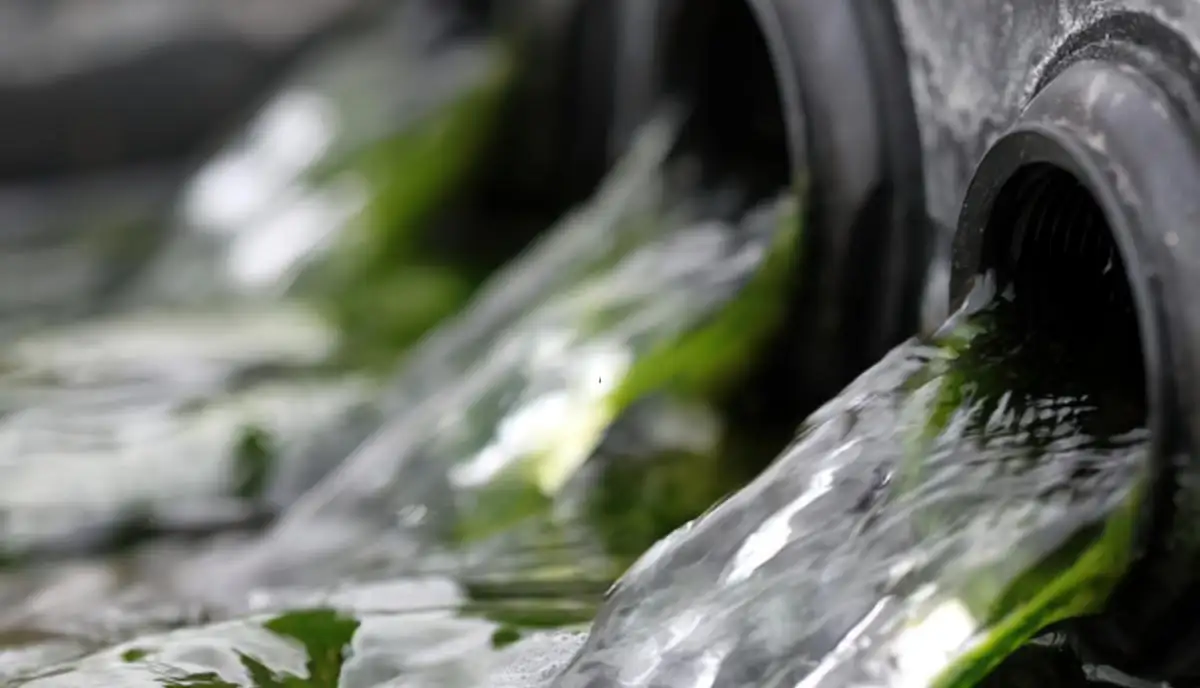
Linear Drain Manufacturers know that waterproofing is not just a technical detail - it is the foundation of every safe and durable structure. But what exactly is a linear drain, and why does it matter so much in modern construction? A linear drain is a long, narrow channel that collects and directs surface water away from critical areas. Yet there is one thing manufacturers want you to understand before choosing any system - and it may change how you approach waterproofing entirely.
Why Waterproofing Fails - and How MEA Designs Against It
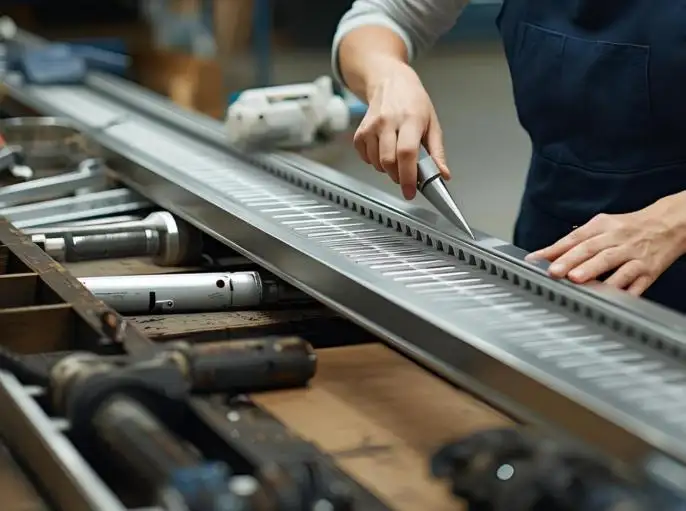
Waterproofing fails when water has nowhere to go, when substrates move, and when chemical exposure erodes seals. Linear Drain Manufacturers see the same costly patterns: puddling around thresholds, hidden seepage into slabs, freeze - thaw cracking, and premature grout failure. As MEA, we start by moving water fast and safely. Our Linear Drain System uses high-quality polymer concrete engineered for maximum resistance and reliability. It is dense, low-porosity, and built to keep water inside the channel and away from the structure. That protects waterproof layers, preserves expansion joints, and reduces infiltration into the ground.
Unlike heavy, maintenance-hungry systems, MEA channels are modular and lightweight, so installers can set accurate levels and consistent falls with less effort. That means fewer on-site errors and tighter control of tolerance. Chemical resistance matters too: in airports, roads, terminals, or city infrastructure, de-icing agents, fuels, and detergents can attack inferior materials. Our polymer concrete resists these exposures, helping the waterproofing assembly last longer and perform as designed.
✅ The MEA Approach To Durable Waterproofing
• Fast, predictable flow: Various fall options keep water moving and prevent ponding.
• Protect the envelope: Channels help shield membranes, joints, and edges from standing water.
• Resilience under load: Our material resists wear, so performance stays stable over time.
• Environmental stewardship: Recyclable materials that help protect groundwater.
What To Look For In A Linear Drain System
When budgets are tight, it's tempting to cut waterproofing corners. Linear Drain Manufacturers urge you to weigh lifecycle costs, not just first cost. Downtime at an airport apron or a logistics terminal costs more than a durable drain ever will. MEA's guidance is simple and practical.
First, match capacity to context. High-intensity storms demand channels with proven hydraulics and consistent falls. Second, verify compatibility. Waterproofing membranes, sealants, and toppings must work together; a high-quality polymer concrete channel with clean bonding faces makes detailing easier. Third, plan for operations. "Almost wear and maintenance-free” is not a slogan; it means fewer interventions, fewer closures, and safer sites.
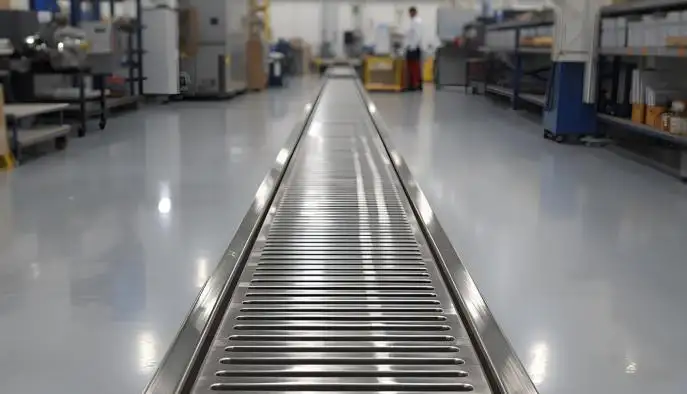
In city streets, tram corridors, bridges, parking structures, and building perimeters, the details vary, but the rules repeat: collect water quickly, transport it safely, discharge it without stressing the structure, and keep contaminants out of the subgrade. MEA channels help achieve all four, which is why they are used across industry and infrastructure worldwide.
✅ Quick Buyer's Checklist From Linear Drain Manufacturers
- Material: Dense polymer concrete for long service life.
- Installation: Modular, lightweight units to reduce labor and errors.
- Hydraulics: Documented flow and fall options to match rainfall and slope.
- Chemicals: Resistance to de-icing salts, fuels, and detergents.
- Sustainability: Recyclable components that help protect groundwater.
- Service: CAD, BIM, and design support to get details right.
How MEA Supports Your Project - From Design To Delivery
As Linear Drain Manufacturers with more than 130 years of market experience, MEA focuses on solving real-world pain points: unclear details, clashing trades, and late changes. Founded in 1886 and headquartered in Aichach, Bavaria, Germany, we operate globally to support projects of every scale. Our team offers CAD drawings for precise layouts, BIM models for clash-free coordination, and design & calculation services to size channels and set falls based on your rainfall data and site constraints. That reduces rework, prevents bottlenecks, and speeds approvals.
For heavy traffic zones like airports and roads, our high-quality polymer concrete drainage systems provide the durability that continuous operations require. For city infrastructure and buildings, the same robust channels preserve waterproofing at thresholds, façades, and podium slabs. In parking structures, chemical resistance and low maintenance reduce closures. Across all these applications, MEA solutions are engineered to be both professional and practical: easy to specify, efficient to install, and stable in performance.
Not every section needs a bullet point - the real story is the integrated system. Channels, gratings, edges, and outlets function as one assembly. When that assembly is designed well, water leaves the surface quickly, the membrane stays dry, and the structure lasts longer. That is the heart of waterproofing: protect the asset by controlling water at the surface.
✅ Your Next Step With MEA
- Plan it right: Request CAD/BIM files and a quick design check for your site.
- Specify with confidence: Use our product data to align hydraulics, falls, and chemical resistance.
- Build for uptime: Choose low-maintenance channels that protect waterproofing and keep operations open.
Call To Action: If you're planning drainage for an airport, road, terminal, city street, parking structure, or building perimeter, talk to MEA today. Our Linear Drain Manufacturers will review your drawings, propose fall options, and share BIM content so your waterproofing performs from day one. Let's keep water where it belongs - and keep your project on schedule.


