
Parking Lot Drainage System Explained for Urban Garage Use

In 2026, parking lot drainage system design is gaining stronger focus, particularly in multi-storey and underground garages where water management, vehicle traffic, noise performance, and maintenance demands all play a role in long-term performance.
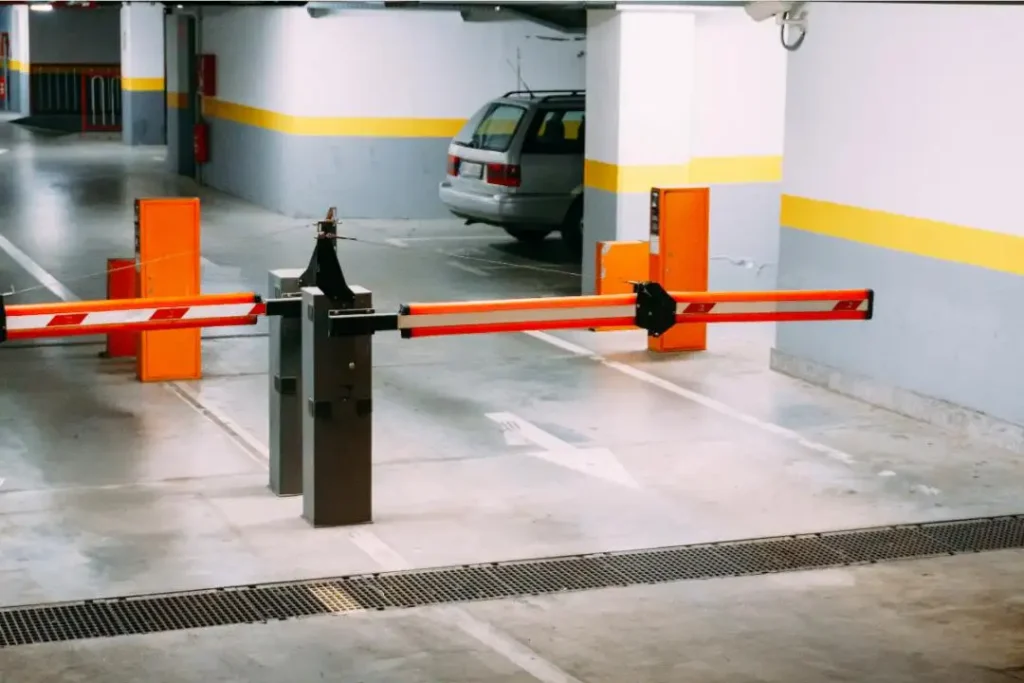
For urban projects, buyers are no longer satisfied with viewing drainage as a minor component. They increasingly expect a solution that supports slab protection, safer traffic zones, fewer service interruptions, and efficient use of limited structural space. This change is reasonable, as water intrusion in parking structures can gradually lead to concrete deterioration, corrosion of internal steel, and more extensive repair work. Runoff from paved surfaces can also carry oil, dirt, and other pollutants, which is why better collection and drainage control matters in modern facility planning.
What Urban Garages Expect From a Parking Lot Drainage System in 2026
For buyers, the modern Parking Lot Drainage System is expected to do more than remove water.
• It should control ponding before it affects driving comfort or walking safety
• It should support long-term durability in concrete parking structures
• It should work in low-profile floor zones where structural height is limited
• It should reduce maintenance complexity in busy garages
• It should help project teams manage water more cleanly in dense urban environments
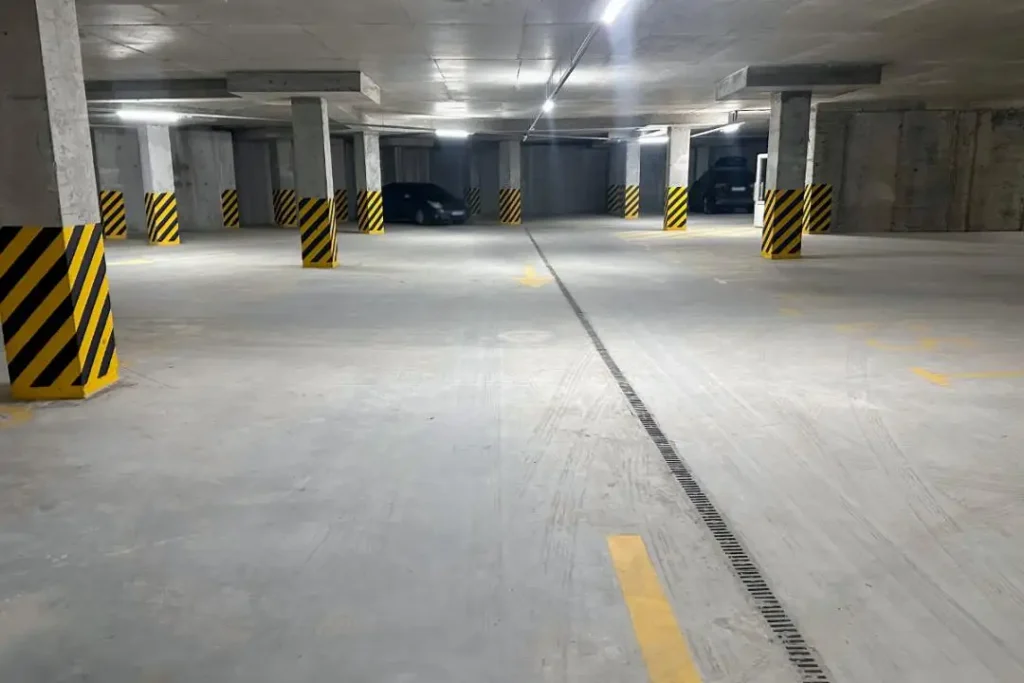
This is particularly relevant in underground and multi-level garages. These spaces often have concrete decks, repeated passenger car traffic, and limited tolerance for noise or loose components. When drainage is not well planned, water can remain on the surface, seep into cracks, and accelerate deterioration. For older structures, engineers commonly point to water infiltration and chloride-related corrosion as major factors affecting long-term service life.
Why CMSA Recommends a Low-Maintenance Parking Lot Drainage System
At CMSA, we believe buyers should evaluate a Parking Lot Drainage System through practical use value, not only through catalog appearance.
As a reference product in this segment, PG1500 is designed for building drainage in vehicle-related areas such as underground parking garages and multi-storey parking decks. This product has overall dimensions of 1000 mm by 150 mm by 50 mm, and each piece weighs 11.4 kg. It also features a no-fall design, a slim structural profile, and load performance suitable for passenger vehicles.
These details are important because they convert directly into project benefits:
• The 50 mm overall height is helpful in designs with restricted floor build-up
• The 11.4 kg unit weight can support easier lifting, positioning, and installation
• The 1000 mm length provides a practical module for site layout planning
• The corrosion-resistant design supports longer use in wet garage environments
• The high drainage capacity helps maintain efficient water flow without a large channel body
For buyers, this provides a more effective way to combine drainage capability with space-conscious parking structure design.
How It Differs From Traditional Parking Garage Drainage
A traditional Parking Lot Drainage System often relies on separate or movable grate components. In vehicle areas, those parts may loosen over time, generate rattle under traffic, or require more frequent adjustment.
The CMSA-style solution described here takes a different approach. Its integrated body is designed to avoid movable parts, which helps create noise-free performance and a more stable installation under daily passenger car use. That practical difference can improve the user experience in enclosed garages, where sound reflection is usually stronger than in open-air parking areas.
From a buyer's point of view, the comparison is simple:
• Traditional systems may create more noise under wheel loads
• Traditional systems may involve more small-part maintenance
• Traditional systems may be less suitable where quiet operation is important
By contrast, a sealed and stable channel concept can help reduce service calls, improve perceived quality, and support a cleaner finished appearance.
Why This Matters for Durability, Maintenance, and Compliance Thinking
Water management in parking structures is not only a comfort issue. It is also tied to asset protection. Industry guidance on parking structures repeatedly highlights moisture intrusion, chlorides, and poor drainage as factors that can worsen corrosion and structural repair costs over time. EPA guidance also notes that runoff from parking and other paved surfaces can carry oils, chemicals, trash, and sediment, reinforcing the need for effective drainage and maintenance planning.
That is why buyers should treat drainage selection as part of lifecycle planning.
A good Parking Lot Drainage System can help:
• Reduce standing water on the slab
• Support cleaner drainage paths in daily operation
• Lower the likelihood of avoidable surface damage
• Simplify maintenance routines because there are fewer detachable elements
For projects that target long service life, this is a practical purchasing decision rather than a minor accessory choice.
Best-Fit Applications for the PG1500
This type of Parking Lot Drainage System is especially suitable for:
• Multi-storey parking garages
• Underground parking structures
• Retrofitted parking decks
• Urban commercial buildings with enclosed vehicle areas
Its flat-gradient compatibility is useful in concrete floor slab environments where designers want efficient drainage without demanding deep construction zones. The low-profile form also suits projects where visual neatness matters.
A Smarter Buyer Decision for 2026
In 2026, buyers should look at Parking Lot Drainage System selection through the lens of performance, not only price. Quiet operation, corrosion resistance, low-profile installation, and lower maintenance exposure all have real value in urban garage design.
For CMSA, the advantage is clear: a compact and intelligent drainage structure can help owners protect the parking environment, improve user comfort, and reduce long-term operating friction.
If you're embarking on a multi-level or below-ground garage project, CMSA is equipped to assist you in determining the optimal Parking Lot Drainage System configuration. We'll consider your building's design, the expected traffic flow, and your maintenance objectives. For further project guidance, you might also explore the wider stormwater management and parking structure resources provided by the EPA and experts in parking structure corrosion.


