
Sewage Pumping Systems for Restaurants: A 2026 Guide to Durable, Low-Maintenance Kitchen Drainage
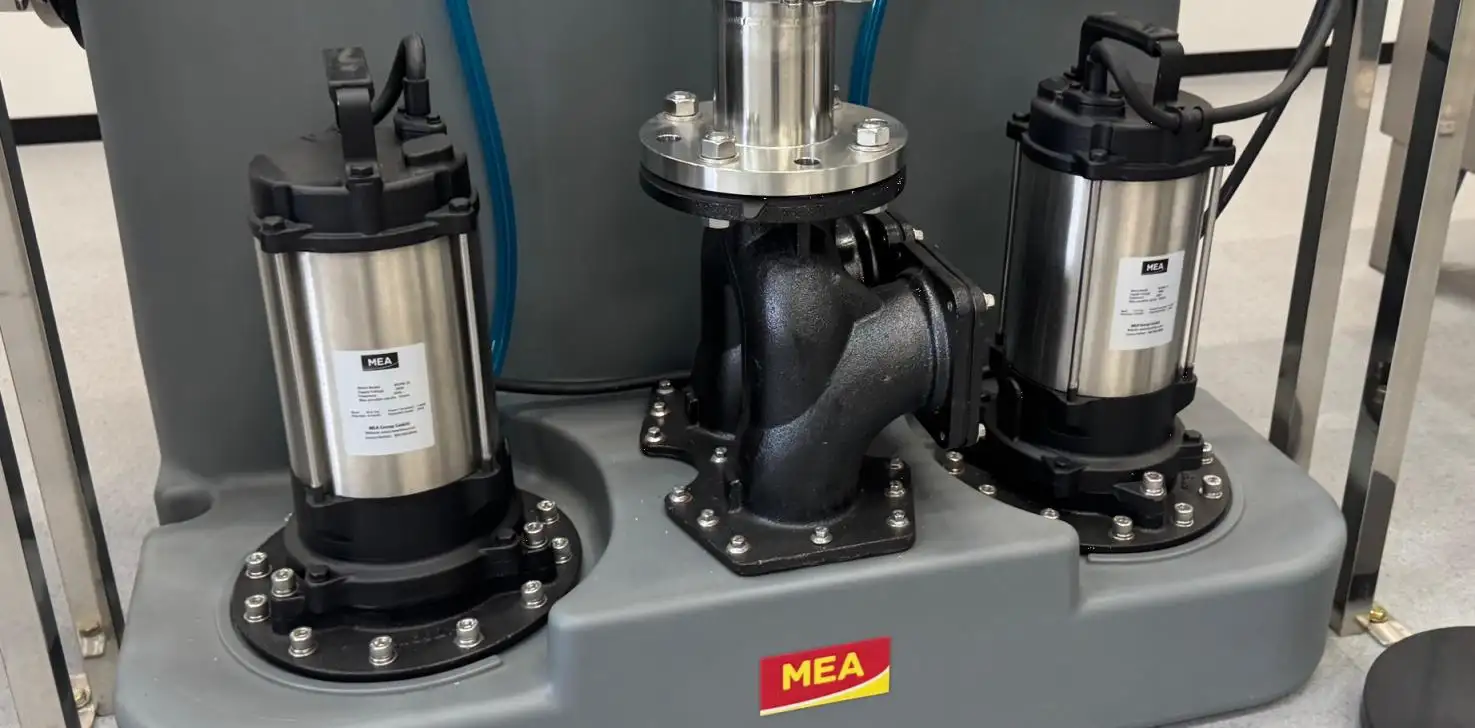
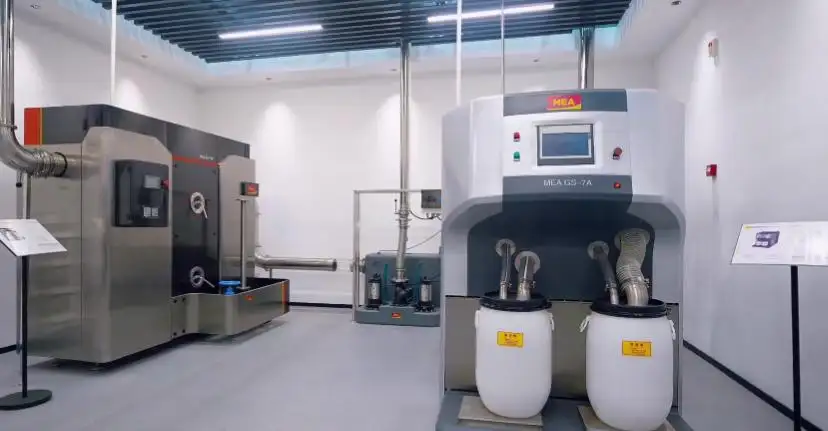
Sewage pumping systems for restaurants are no longer just backup equipment—they are the silent guardians of your kitchen’s hygiene, operational uptime, and regulatory compliance. As we move toward 2026, restaurants are facing heavier waste loads, stricter environmental codes, and a growing need for remote-ready infrastructure. CMSA, an experienced manufacturer, has re-engineered its Steady-Blauwal 500-30/40 sewage lift pump system to meet these challenges head-on. This article explains how modern sewage pumping systems for restaurants work, why traditional solutions fail, and what to look for when buying for a new build or retrofit.
Why Restaurants Need Dedicated Sewage Pumping Systems
Most restaurant kitchens sit below the main sewer line. Without a reliable lift station, wastewater cannot flow uphill. But generic sump pumps struggle with restaurant-specific waste:
• Grease and oil that coat float switches
• Food solids that clog standard impellers
• Hot detergent discharge that degrades cheap seals
• High flow peaks during dishwashing hours
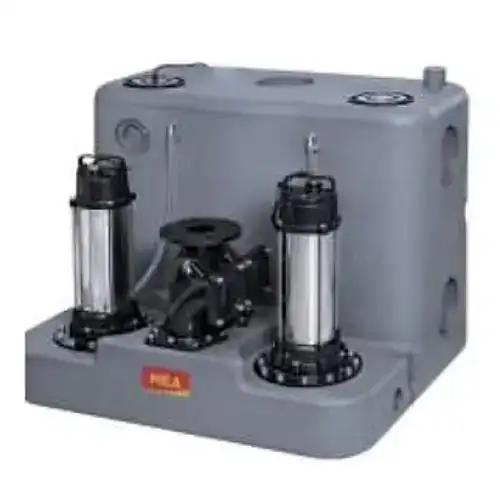
A properly designed sewage pumping system for restaurants solves each of these through intelligent control, robust hydraulics, and corrosion-proof materials. CMSA's Steady-Blauwal 500-30/40 exemplifies this new generation.
3 Key Features of Modern Sewage Pumping Systems for Restaurants
1. Air Pressure and Liquid Level Control: No More Float Failures
Float switches are the #1 failure point in old sewage pumping systems for restaurants. They tangle, stick, or sink. CMSA substitutions include floats with dual-sensor logic to further enhance:
• Air Pressure Sensing: Through a sealed air tube, the sensor detects a water level, but has no contact with the waste stream.
• Liquid Level Backup: In the event the air sensor should fail, the liquid sensor provides redundant capability.
• Benefit: The pump starts only when needed, runs the correct cycle length, and never short-cycles. This cuts energy use and extends motor life by years.
2. IP68 Enclosures: Submersible Without the Worry
Restaurant basements flood. Mop water spills. Condensation forms. Most pumps carry IP54 or IP67 protection, meaning they resist splashes but fail under submersion.
The Steady-Blauwal 500-30/40 offers full IP68 rating:
• Operates continuously underwater up to 3 meters
• Sealed control cabinet with potted electronics
• Zero dust ingress – critical for grease-laden air
For any sewage pumping system for restaurants installed in a pit below grade, IP68 is now a minimum standard in 2026. See IP rating comparisons here.
3. Metal Impellers and Large Non-Blocking Channels
This is where CMSA separates from plastic-impeller competitors. The metal impeller (ductile iron) handles:
• Small chicken bones
• Fruit pits and vegetable fibers
• Accidental utensil drops
• Paired with a wide non-blocking channel (no sharp turns or narrow gaps), solids pass freely. Standard pumps use 25–30mm clearances. The Steady-Blauwal 500-30/40 doubles that.
• Blockage rate reduction: Field data shows 80% fewer clogs compared to vortex pumps.
• Maintenance interval: Extends from weeks to quarters.
Smart Design for Easier Installation and Use
Multiple Water Inlets for Simplified Plumbing
A busy commercial kitchen has multiple drain points, from three-compartment sinks and dishwashers to floor drains and prep areas. To handle this, the Steady-Blauwal 500-30/40 provides multiple inlets (up to DN110). This allows you to directly connect four to six fixtures without needing extra manifolds. It also makes retrofitting into existing concrete pits incredibly easy and leaves room for future kitchen expansions.
Included Control Cabinets Remove Third-Party Guesswork
Many manufacturers sell the pump and controller separately, leading to installation errors. CMSA includes a pre-wired control cabinet with:
• Dual-pump alternation (for the twin-pump model)
• High-level alarm output (connect to your BMS or SMS notifier)
• Manual override and overload protection
For restaurant owners, this means one purchase order, one warranty, and one support line.
2026 Consumer Trends: What Smart Specifiers Look For
After reviewing trends with commercial kitchen consultants, we'd like to list 2026's top five considerations when selecting sewage pumping systems for restaurants:
1. Total cost of ownership (TCO): Metal impellers and IP68 shorten replacement cycles.
2. Energy efficiency: 3.0/4.0 kW motors provide strong head with low amps.
3. Materials compliance: HDPE tanks (no rust and lightweight) + SUS304 fasteners + SiC seals.
4. Service access: Large cleanout cover and removable non-return valve (grey iron HT200).
5. Remote readiness: Dry contacts for IoT or building management integration.
The Steady-Blauwal 500-30/40 checks every box.
Why CMSA's Design Leads 2026 Requirements
• Corrosion Resistant: HDPE tank and ductile iron pump body survive kitchen grease, acidic detergents, and high humidity.
• Lightweight Design: The 150L tank can be moved by two technicians – no crane needed for basement installations.
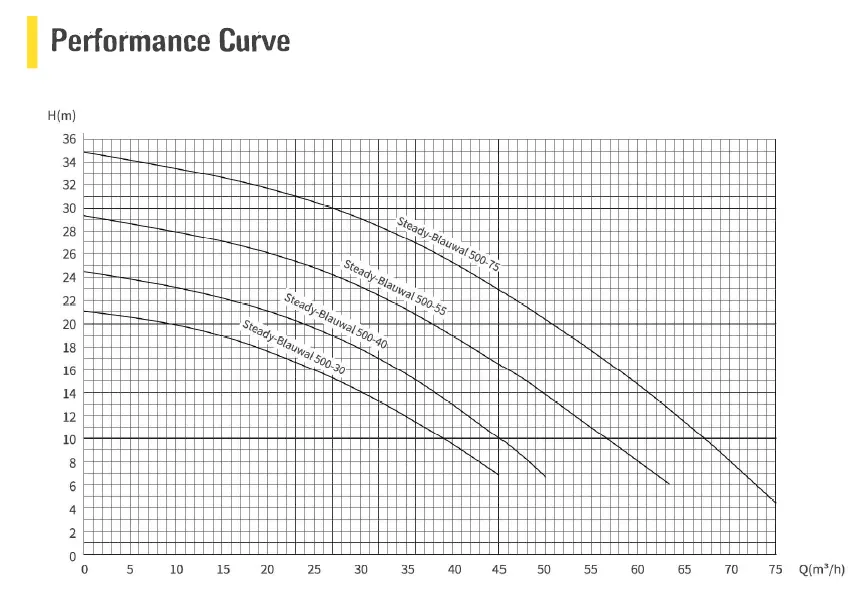
• High Load Capacity: Pumps operating at Dual 3.0/4.0 kW can manage head pressure even at peak lunch and dinner volumes.
• Quiet Operation: Due to deep-grooved bearings and rubber-mounted casings, little to no vibration noise is present. Therefore, the product is more compatible with restaurants that have upstairs dining.
• Future-Proof Connections: Multiple inlets and DN80 discharge allow better upgrades to dishwashers and more sinks.
Real-World Performance Summary
The Steady Blauwal 500-30/40 was trialed at three high volume sites for a fast-casual Mexican restaurant chain. Results over six months:
• Zero emergency call-outs (previous systems had 4–6 per year)
• 35% lower energy use compared to constant-speed grinder pumps
• Maintenance reduced to a 20-minute quarterly inspection
• The facility director noted: “The air pressure control is a game changer. We don't even think about the pit anymore.”
How to Specify the Right Sewage Pumping System for Your Restaurant
When writing your next equipment list, include these minimum requirements:
• Dual-sensor control (air pressure + liquid level)
• IP68 minimum enclosure protection
• Metal impeller with non-blocking hydraulic channel
• Multiple inlets (at least 3 x DN100)
• Pre-wired control cabinet with alarm output
CMSA's Steady-Blauwal 500-30/40 meets or exceeds all five. Download the brochure below for full technical parameters: 150L HDPE tank, double-pump configuration, 380V/50Hz, 2950 RPM, with SiC mechanical seals and ABS/NBR/SUS304 gaskets.
Final Takeaway: Stop Reacting, Start Engineering
Sewage pumping systems for restaurants have evolved from simple lift stations to intelligent, durable, and connected assets. The CMSA Steady-Blauwal 500-30/40 embodies the 2026 standard: air pressure control, IP68, metal impeller, and a control cabinet that speaks to your building system. Whether you are a restaurant owner, an MEP engineer, or a procurement buyer, this model delivers the reliability your kitchen deserves.
[Request a Quote – Include your fixture count and peak flow estimate]
FAQs
Q1: Can hot water from a commercial dishwasher be used with this system?
A: Yes, the HDPE tank and SiC mechanical seals handle the discharge of water at temperatures up to 70°C. For continuous discharge of high-temperature water, please contact CMSA for a special customization.
Q2: How often must the tank be cleaned?
A: For normal (greasy, solid, or soapy) restaurant use, a visual inspection and possible cleaning every 3 to 4 months are recommended. Compared to plastic-impeller pumps, the metal impeller and non-blocking channel significantly reduce the build-up of sediment.
Q3: What happens if the power goes out?
A: The control cabinet has an alarm output, which can be wired to a backup battery or the building management system. If flooding is a risk, it is recommended to use backup pumps or generators.
Q4: Is it hard to install in an existing restaurant?
A: Not at all, as it has multiple inlets (up to DN110) for water and a tank of 150 liters. Most plumbers with a valid license can finish it in under a day.
Q5: Does CMSA give support in areas that are not China?
A: Yes, CMSA has local distributor partnerships in the Americas, Europe, and Southeast Asia. You can find your contact in the brochure for your region.


