
Waterproof Polymer Concrete Drainage Channels: New Infrastructure Standard
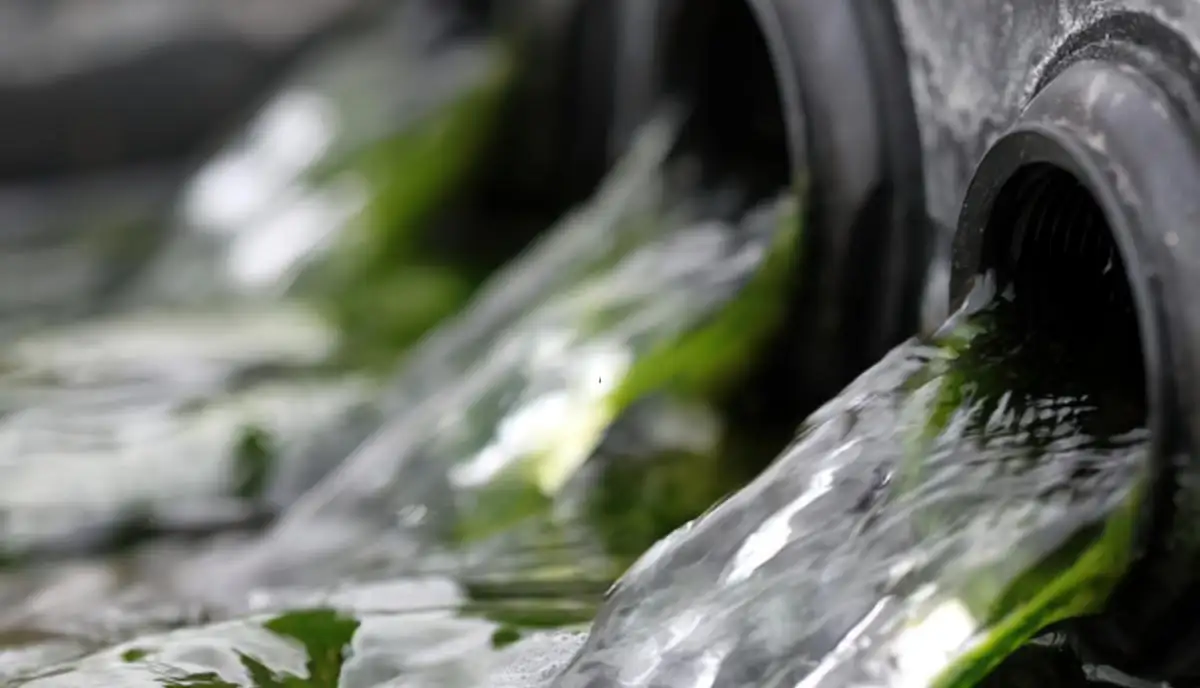
The adoption of waterproof polymer concrete drainage channels represents more than an incremental improvement in surface water management—it is a massive shift in how engineers, contractors, and city planners approach the long-term reliability of infrastructure. Historically, the three major weaknesses of conventional metal and concrete channels (including their bends and junctions) were water absorption, chemical degradation, and joint leakage. Today, Waterproof Polymer Concrete Drainage Channels address the three major weaknesses in concrete impermeability in one innovative breakthrough.
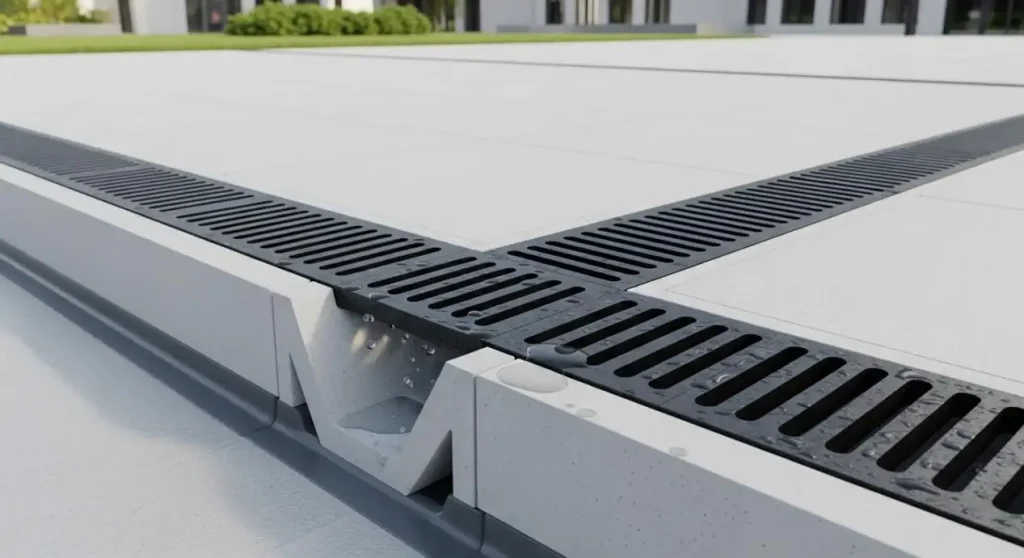
This guide explains the material science behind polymer concrete, its increasing importance in meeting strict environmental regulations, and how manufacturers like CMSA are aligning with modern procurement practices.
Why Polymer Concrete is Truly Waterproof?
Standard Portland cement concrete is inherently porous. Water seeps in, freezes, expands, and ultimately causes structural spalling. Furthermore, de-icing salts and hydrocarbons accelerate internal corrosion.
Waterproof polymer concrete drainage channels trade traditional cement for polymer resins. This resin binds with quartz aggregates to form a nearly impermeable matrix. Because water absorption stays below 0.1%, permeability is effectively eliminated. This intrinsic waterproofing provides several massive structural benefits:
No Surface Spalling or Frost Heave
Because water cannot enter the material, freeze-thaw cycles cannot cause internal pressure fractures. These channels maintain complete structural integrity from -40°C to +80°C without any surface degradation.
Total Resistance to De-Icing Salts
Road salt and magnesium solutions cause massive micro-cracking and scaling in traditional concrete over a five-to-seven-year cycle. Polymer concrete does not chemically react to these agents, making it the definitive specification for highways and airports in cold climates.
Watertight EPDM Seals
CMSA channel sections feature factory-integrated EPDM gaskets. When the sections are joined together, the gasket compresses, creating a continuous, watertight linear system that meets the rigorous EN 1433:2002 standard for zero exfiltration.
The Global Regulatory Shift Toward Waterproofing
Environmental Framework laws have become very strict on a global scale. Most developed markets have begun to control the discharge of storm water that naturally flows off of hardscapes. Built waterproof polymer concrete drainage channels simplify the compliance of the following mandates:
Protection of Groundwater
Recent revisions to the European Union's Water Framework Directives consider uncontrolled water percolation into the soil to be a major environmental hazard. Fully sealed polymer channels stop this contaminated percolation entirely.
Capture of the "First-Flush
Environmental agencies often require that the first 5–10mm of rainfall (which carries the highest concentration of surface oils and heavy metals) must be fully captured and treated. With zero water loss, polymer concrete ensures this toxic runoff reaches the treatment basin instead of leaking into the ground.
Massive Strength in a Lightweight Package
There is a common misconception that Polymer Concrete Drainage Channels are heavy. In fact, polymer concrete sections have a compressive strength of 90-120 MPa and are half as heavy as traditional concrete sections that have the same load rating.
This lightweight design provides massive logistical advantages:
- Safer, Faster Handling: Individual sections can often be carried by two workers without requiring heavy lifting machinery, vastly improving site safety and installation speed.
- Lower Transport Costs: A standard flatbed truck can fit nearly double the linear meters of polymer concrete compared to traditional concrete. Freight expenses and carbon emissions drop proportionally.
- 30–40% Faster Installation: Lighter sections require simpler bedding and allow for much faster alignment, heavily reducing labor costs for contractors.
Adapting to Modern Buying Trends
Procurement teams now evaluate total cost of ownership, ecological disclosures, and digital integration. Top-tier manufacturers like CMSA fulfill these modern demands by providing:
- Environmental Product Declarations (EPDs): Verified lifecycle data proving that polymer concrete is significantly greener (and lasts twice as long) than traditional alternatives.
- BIM-Ready Digital Twins: Parametric product models compatible with Revit and Civil 3D, allowing architects to visualize slope differentials and outlet configurations instantly.
- Modular Customization: Providing prefabrication options with load classes ranging from pedestrian (A15) to heavy aviation (F900), paired with ductile iron or stainless steel gratings.
Applications Across All Infrastructure Sectors
Because of its immense chemical and structural resilience, waterproof polymer concrete drainage channels can be deployed across every type of hardscape:
- Airport Runways and Tarmacs: Class F900 ratings easily handle the extreme weight of commercial jets, while the waterproof matrix effortlessly contains spilled jet fuel.
- Highway Toll Plazas: Class D400 ratings resist de-icing salts, while zero-leak joints prevent heavy metals from leaching into roadside soil.
- Container Ports and Logistics Yards: The material is highly impact-resistant against reach stackers, safely containing drips of diesel and hydraulic oil.
In addition to aesthetics, thoroughly analyzed urban pedestrian plazas and green infrastructure with A15-B125 load classes provide extreme durability. Waterproof polymer concrete drainage channels work seamlessly with bioretention planters and rain gardens.
The Qualification Criteria to Choose the Right Supplier
Not all the Waterproof Polymer Concrete Drainage Channels work same. Here are some suggestions to choose your supplier:
• Certification to EN 1433:2002: When selecting supply level class A15 through F900, you should check and provide independent test reports. In European markets, CE marking is required.
• Integration of gaskets: It's important to find out whether gaskets are pre-installed at the factory or field-assembled. Factory-fit strutted dovetail grooves are the best.
• Availability of technology support: Whether the supplier has hydraulic calculation reports, on-site installation training or provides BIM family files. Technology support is a key differentiator between suppliers of commodities and suppliers of technologies.
• Record in your application: You should ask the suppliers for the case studies on their Polymer Concrete Drainage Channels in similar climates and traffic to your needs. Be sure to ask for references that are at least 5 years to ensure they are indeed waterproof.
Conclusion: The Bottom Line for Infrastructure Buyers
Waterproof Polymer Concrete Drainage Channels have moved from innovative alternative to best practice. The combination of intrinsic impermeability, chemical resistance, lightweight handling, and environmental compliance addresses every failure mode of traditional drainage. For projects where leakage is not an option – airports, chemical handling areas, cold-climate highways, and sustainable urban developments – polymer concrete is the definitive specification.
Manufacturers such as CMSA have invested heavily in automation, quality control, and digital design tools to meet 2026 demand. Their Waterproof Polymer Concrete Drainage Channels reflect decades of materials research and thousands of successful installations worldwide. When you specify polymer concrete, you are not buying a drainage channel. You are buying a century of reliable, waterproof performance.
FAQ
Q: How long do Waterproof Polymer Concrete Drainage Channels last?
A: If installed correctly, these channels can last over 100 years even with heavy use and if installed in area that freeze and thaw often.
Q: Are they waterproof or water-resistant?
A: They are truly waterproof, with less than 0.1% water absorption. There are also factory-fitted EPDM gaskets, and there are no joints or gaps with exfiltration.
Q: What load classes do you have?
A: All are certified to EN 1433:2002, and range from A15 to F900.
Q: installation require special tools and training?
A: No. Since they are lightweight and modular, and most manufacturers will aid in installation.
Q: Are these channels eco-friendly?
A: Yes, they have no leachable substances so they will no leak into the underground and they are completely recyclable.


