
What Is a Grease Separator and Purpose? A Guide to Smarter Commercial Kitchens
When new restaurant owners or facility managers ask, "What is a grease separator and purpose?" the answer usually comes down to one critical goal: protecting your business from plumbing disasters.
A grease separator is a mechanical device that removes fats, oils, and grease (FOG) from your wastewater before it reaches municipal sewer lines. Without one, commercial kitchens, hotels, and food processing plants face a nightmare scenario of clogged pipes, offensive odors, expensive plumbing emergencies, and heavy regulatory fines.
Here is a look at how grease separators work, the hidden costs of old-school manual traps, and why modern kitchens are upgrading to automated systems.
The Basics: The Functionality of Grease Separators
To understand the purpose of these devices, you have to look at the basic principles of buoyancy. Grease is lighter (less dense) than water, while solid food waste is heavier.
When dirty kitchen water enters a traditional grease separator, an inlet baffle slows the flow down. This allows the heavy solids to sink to the bottom, while the grease and FOG float to the top. Clean water is then allowed to exit through an outlet baffle.
Key functions of any grease separator:
- Prevents Sewer Backups: FOG solidifies in cold sewer pipes, causing massive blockages. The separator traps it before it causes damage.
- Reduces Emergencies: An effective grease separator will reduce the need for emergency drain cleaning by at least 80%.
- Ensures Compliance: Almost all towns and municipalities legally require food service establishments to have a functioning grease separator.
- Improves Safety: Grease backups can turn kitchen floors into ice skating rinks. Storing the FOG safely inside a separator prevents dangerous slip-and-fall accidents.
The Shift: What Contemporary Kitchen Operators Want
Kitchen operators are facing strict regulations and intense wage pressures. According to the EPA's FOG Program, local governments can impose daily fines of over $25,000 for noncompliance.
In 2026, design trends for kitchens will encapsulate systems, integrate autonomous cleaning, and address the overall expenses of ownership. That is where CMSA comes into play.
CMSA is a Licensed Producer of Grease Management Solutions, and after studying several hundred commercial kitchens, including kitchens from several Myers Restaurants, the following top frustrations of operators of commercial kitchens were evaluated:
• Complaints originating from Odors from neighboring patrons and businesses
• Difficult and messy cleaning that dreads the kitchen staff
• No real-time monitoring of grease or sludge levels.
• High disposal costs due to frequent pumping.
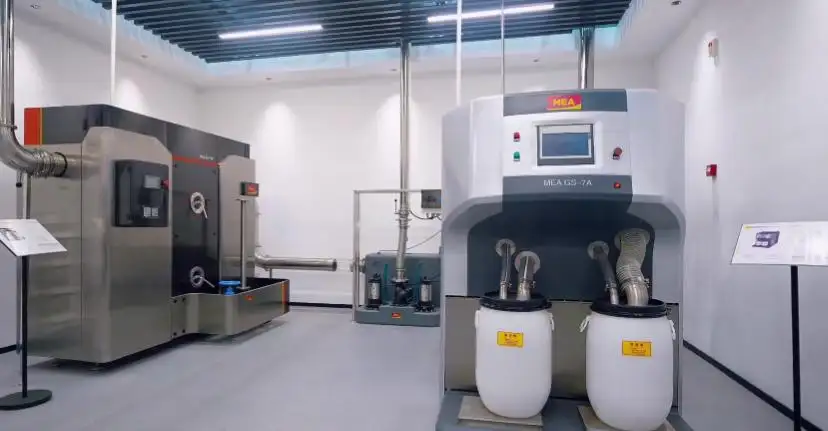
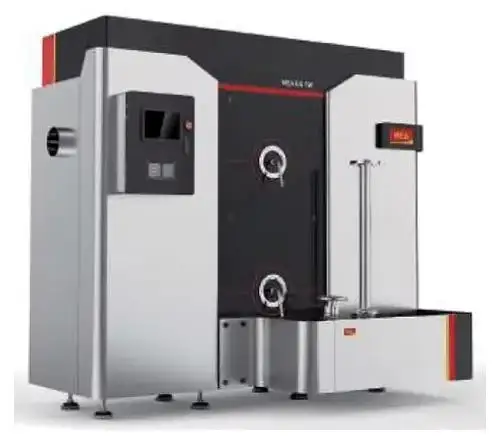
The answer to these frustrations? The CMSA Full Disposal Grease Separator Unit (Model GS-2W)—a completely sealed, easy-to-clean system designed for the modern commercial kitchen.
Redefining What a Grease Separator Is
For CMSA, the question of "what is a grease separator and purpose" goes far beyond simple FOG capture. A modern separator must integrate separation, agitation, cleaning, and disposal into one fully enclosed unit. It must be corrosion-resistant, lightweight, and offer both manual and automatic control modes. The GS-2W delivers exactly that.
Core Features That Match Modern Design Trends
Here is why the GS-2W is the ultimate future-ready appliance for your kitchen:
- Easy Maintenance: A patented design featuring an integrated cleaning device reduces manual cleaning time by 80%. Say goodbye to scraping grease by hand.
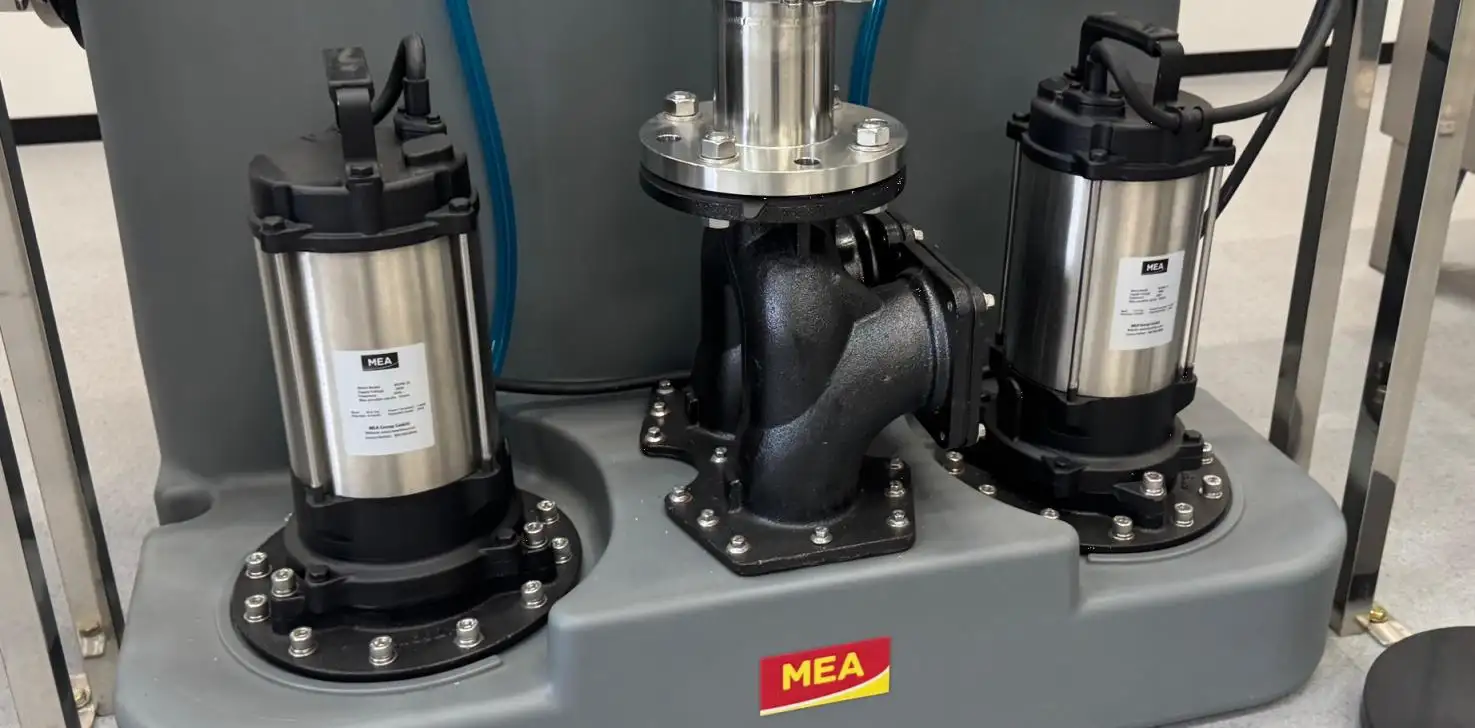
- Efficient Cleaning: An internal agitator continuously loosens settled sludge, while a centrifugal pump flushes debris into a powerful DN65 disposal pump equipped with cutting vanes.
- Corrosion Resistant: The entire chamber is built from 2.5mm stainless steel, designed to withstand harsh FOG and commercial detergents for over 15 years.
- Lightweight Design: Weighing just 514 kg with a massive 745L capacity, the unit minimizes floor reinforcement costs and simplifies retrofitting.
- High Load Capacity: Easily handles peak grease loads from high-volume food courts, hotel banquets, and meat processing lines without overflowing.
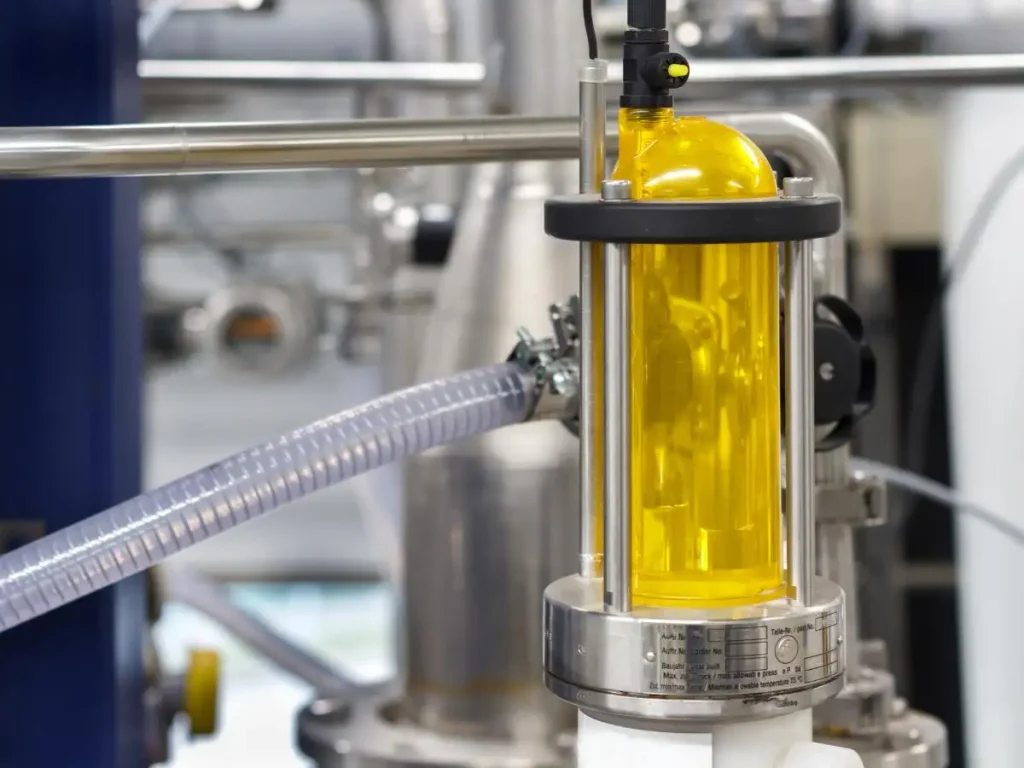
- Double Sightglasses: One glance at the grease and sludge sightglasses tells you exactly when to run a cleaning cycle—no guesswork required.
- Manual/Automatic Control: Choose automated daily cleaning or a manual override for unpredictable, busy shifts.
Enclosed Operation: The Game-Changer for Odor Control
Traditional grease traps are open or poorly sealed, releasing hydrogen sulfide and other foul gases into the kitchen. The GS-2W features fully enclosed operation with a sealed lid, DN100 vent port, and no exposed FOG. Kitchen staff breathe easier, and health inspectors will leave happy.
Why a "Full Disposal" System is a Trendsetter
The phrase full disposal grease separator means exactly what it says: from separation to disposal, everything happens inside one sealed unit. The integrated disposal pump with cutting vanes grinds and pumps out captured grease directly into a waste container or rendering tank. No third-party vacuum truck needed. This alone saves commercial kitchens an average of $4,000 annually on pumping services.
Operational Benefits at a Glance:
• Reduce plumbing calls: Zero FOG reaches your main sewer line.
• Lower staff exposure: No direct contact with raw grease or sludge.
• Cut water usage: Efficient cleaning cycles use minimal fresh water.
• Extend equipment life: No corrosive FOG buildup inside downstream pipes.
How to Specify the GS-2W for Your 2026 Project
Architects, engineers, and facility managers can include CMSA’s solution in their next kitchen design by noting:
• A full disposal grease separator with integrated agitator and cleaning device.
• Enclosed, odor-free operation with double sightglasses for monitoring.
• Manual/automatic control modes to suit different shift schedules.
• Corrosion-resistant stainless steel, lightweight but high load capacity.
• Patented easy-clean exterior that meets NSF/ANSI hygiene standards.
For complete documentation, [download the brochure] containing installation drawings, pump curves, and maintenance schedules. Or [request a quote] tailored to your kitchen’s flow rate and local codes.
Conclusion: Rethinking the Purpose of a Grease Separator
If you are still wondering what a grease separator and its purpose mean for your bottom line today, the answer is simple: it is an active, intelligent system designed to protect your business from fines, awful odors, and downtime.
Gone are the days of burying a passive, filthy tank under the sink. CMSA’s Full Disposal Grease Separator Unit (GS-2W) is easy to maintain, hygienic, and protects your peace of mind.
Ready to set a new standard for your commercial kitchen? Contact CMSA today to request a quote tailored to your kitchen’s flow rate and local plumbing codes.
Frequently Asked Questions (FAQ)
Q: What is a grease separator and purpose in simple terms?
A: A grease separator is a device that captures Fats, Oils, and Grease (FOG) in wastewater before they go down the drain and block wastewater pipes. This device saves your drain and wastewater system from fines.
Q: How often do I need to clean the GS-2W full disposal grease separator?
A: Because of the built-in agitator and cleaning device, the majority of commercial kitchens clean this device in intervals of one week to two weeks, depending on how much they cook. The double sightglasses tell you exactly when.
Q: Can the GS-2W be installed outdoors?
A: Yes. The GS-2W is made of a stainless steel, corrosion-resistant body and is enclosed, allowing both indoor and outdoor underground installations where permitted by local codes.
Q: Does CMSA provide technical support for the full disposal grease separator?
A: YES. Each grease separator includes an installation guide, pump curves, and access to CMSA’s technical remote support team. A support brochure is available for PDF download.
Q: What differentiates a “full disposal” separator from other grease separators?
A: Other separators only do the grease separation. For other separators, you must call a vacuum truck to pump grease out. The GS-2W comes with a DN65 disposal pump with cutting vanes which allows you to discharge the grease into a waste container or rendering tank directly, in other words, without a third party.


