
Sewage Lift Pump System: How It Works and When You Need One
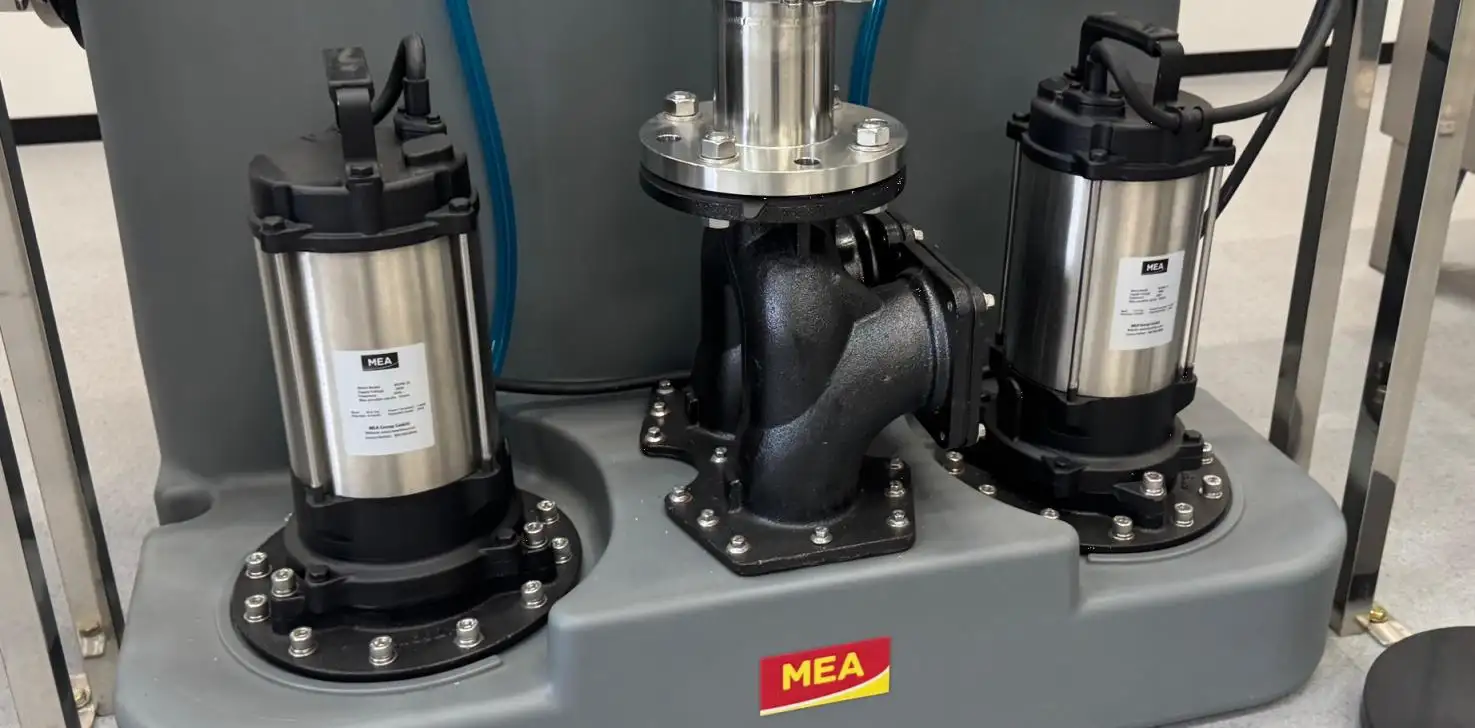
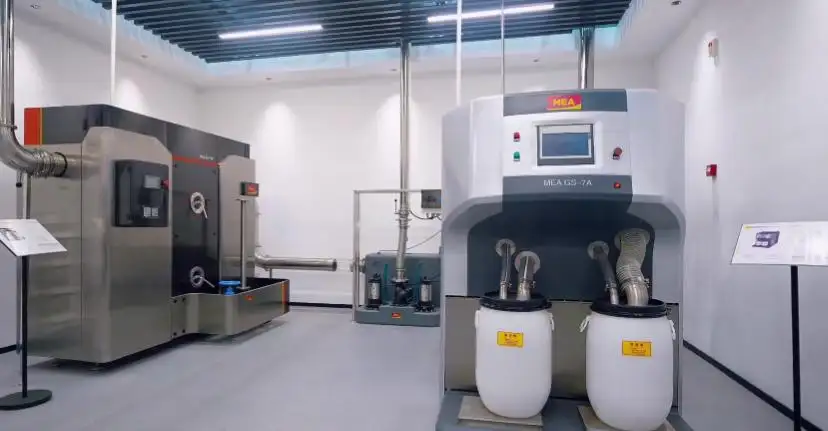
Wastewater management is that system people complain about once things go wrong. One way to understand the value of wastewater management is the phenomenon of backups. Backups can happen in kitchens, bathrooms, and even commercial spaces, but fear not, gravity is your friend everywhere a cave in the earth's crust isn't. Wastewater management consists of sewage lift pump systems. Lift pump systems are designed to collect wastewater and pump it to a higher level where gravity might start working again. Most people, even managers are completely oblivious to the design and workings of lift pump systems. This writing is designed to help you gain a basic understanding of lift pump systems.
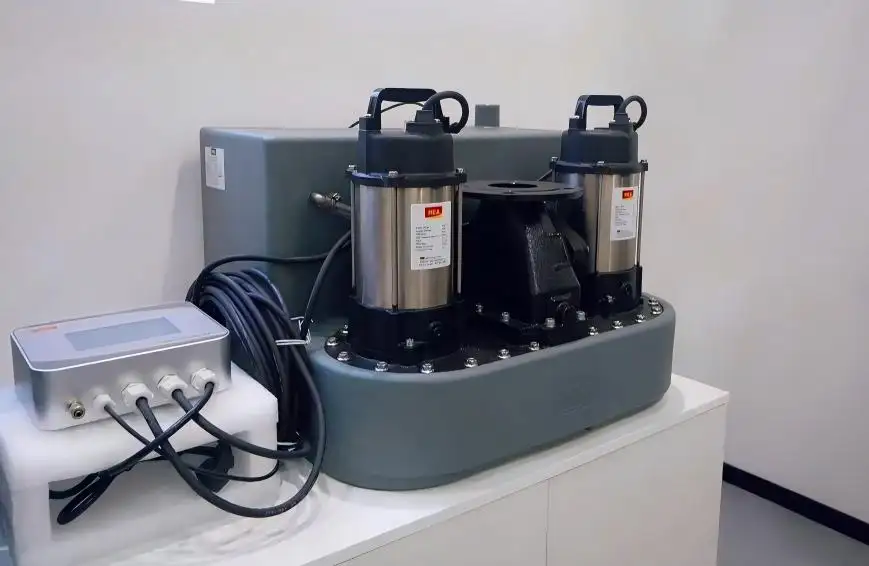
What Is a Sewage Lift Pump System?
A sewage lift pump system is a lift station. It is a pumping system that allows drainage to "hand-off" to another pumping system. Drainage systems are designed to flow by gravity, but in order to flow by gravity drainage must be at a higher elevation. To do this, sewage lift pump systems collect drainage in a basin, and once it is at a given elevation within the basin, drainage is pumped through pipes designed to carry pressurized flow. From here, drainage can flow by gravity.
Essential Elements of a Sewage Lift Pump System
| Component | Function |
| Collection tank (wet well) | Suspends incoming wastewater and evens out the flow to minimize the impact of continuous cycling on the pumps. |
| Pump(s) | Elevates the wastewater from the tank into the pressurized system. |
| Control system | Takes measurements of the water level and automatically initiates the cycling of the pumps system. |
| Level sensors | Identify when the wastewater meets its designated start and stop levels. |
| Non-return valve | Protects the collection tank from any backflow after pumping. |
| Discharge pipe (force main) | Transfers pressurized wastewater to the gravity sewer. |
How a Sewage Lift Pump System Works
Step 1: Collection
From the various connecting plumbing fixtures (sinks, toilets, etc.) wastewater flows, via gravity, into the collection tank. There it serves the purpose of a buffer tank, eliminating the need for the pump to turn on or off due to varying flow conditions.
Step 2: Level Detection
Level Detection is the method of monitoring the wastewater level inside the tank. Current Sewage Lift Pump Systems employ the use of air pressure as well as liquid level control. The sensing of air pressure involves a closed system of air tubing, which allows the wastewater level to be determined without the need for the sensing device to be in contact with the waste stream. This eliminates the problems of tangling and sticking, which are typically experienced with the use of float switches. For added security, the liquid level sensor is used as a back-up.
Step 3: Pump Activation
In Sewage Lift Pump Systems, the pump is activated when the wastewater level reaches a predetermined level (start level). Systems that utilize two pumps have the first pump (lead pump) control the flow of wastewater, while the second pump (lag pump) is activated when the level control system determines that the flow of wastewater exceeds the control level.
Step 4: Pressurized Discharge
In the pressurized discharge phase, the pump conveys wastewater to the discharge pipe, while the wastewater maintains a velocity of flow throughout the piping system that, for most of the discharge work, is pressurized.
Step 5: Cycle Completion
When the wastewater level reaches the stop level, the pump turns off. Flow reversal is restricted by the closure of the non-return valve. The system remains idle until the tank is refilled. Only then will the system commence the cycle again.
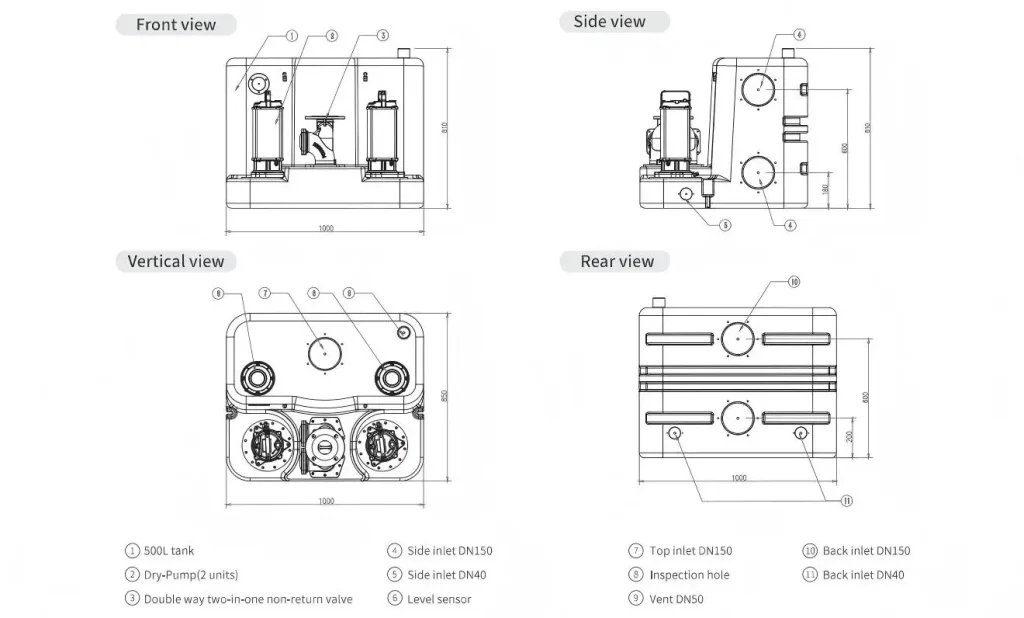
What Situations are Sewage Lift Pump Systems Required?
Sewage lift pump systems are required when wastewater must be transported upward to reach the municipal sewer or septic systems. Common situations include:
Commercial and Light Commercial Situations
•Restaurants and commercial kitchens: Located below the sewer line and produce a large volume of wastewater that is greasy and laden with food solids
•Offices and retail spaces: Where restroom and kitchen facilities are located below the sewer line
•Underground parking garages: Where drainage must be pumped to street level to connect with the municipal sewer
Construction and Development
•New construction: When site excavation and grading makes gravity drainage to the municipal sewer line infeasible
•Remodeling: When plumbing below the grade is added to an existing structure
•Remote/isolated locations: When the distance to the sewer makes gravity flow parishable
Modern Sewage Lift Pump Systems and Their Key Technical Features
Modern sew-age lift pump systems vary in features and capabilities. Here are the critical features that separate reliable, long-lasting systems from those that fail prematurely.
Air Pressure and Liquid Level Control
Float switches are the number one failure point in older sewage pump systems—they tangle, stick, or sink. A modern sewage lift pump system replaces unreliable floats with dual-sensor logic:
•Air pressure sensing: A sealed air tube detects water level with no contact with the waste stream
•Liquid level backup: Provides redundant capability if the air sensor fails
•Result: Pumps start only when needed, run the correct cycle length, and never short-cycle—cutting energy use and extending motor life
IP68 Enclosure Protection
Wet environments are inevitable for any sewage lift pump system. While many pumps carry IP54 or IP67 protection (resisting splashes but failing under submersion), an IP68-rated enclosure offers complete protection:
•Operates continuously underwater
•Sealed control cabinet with potted electronics
•Zero dust ingress
•Critical for any system installed in a pit below grade
Large Non-Blocking Channel and Metal Impeller
This is where material choice makes a tangible difference. A metal impeller—typically ductile iron—handles suspended solids that would destroy plastic alternatives:
•Food solids and vegetable fibers
•Small bones and fruit pits
•Accidental utensil drops
Paired with a wide non-blocking channel with no sharp turns or narrow gaps, solids pass freely. Field data shows blockage rate reductions of up to 80% compared to vortex pumps.
Dual-Pump Configuration
There are two big benefits of a dual-pump sewage lift pump system:
•Redundancy: One pump can be serviced while the other pump can keep working.
•Load sharing: Pumps take turns, which means longer service life.
•Peak handling: Pumps can be used together when there is high-flow.
Multiple Water Inlets
Most new systems have several inlets, up to DN110, which allow the direct connection of four to six fixtures, avoiding manifold plumbing. This results in a simpler installation and reduces leak points.
Material Selection
| Component | Material | Benefit |
| Tank | HDPE | Corrosion resistant, light weight, and durable |
| Pump body | Ductile iron | Strong and wear resistant |
| Impeller | Ductile iron | Can handle solids and impact damage |
| Bearing | SUS410 | Crosses the corrosion resistant and stainless steel |
| Mechanical seal | Sic | For extreme wear, silicon carbide |
| Fastenings | SUS304 | Rust proof and stainless steel |
Non-return valve]Grey iron HT200]Strong and good for backflow
CMSA's Engineering Approach
CMSA, a leading manufacturer dating back to 2000, prides itself on quality of manufacture for construction products and on the building and environment sector for engineered solutions and product reliability. Our sewage lift pump systems are designed with functionality and ease of use in mind.
Some of the things you can find are:
•Anti-clogging systems: Large non-blocking channel coupled with a metal impeller are a starting point for design.
•Protection in wet environments: IP68 rating can be relied on for use in underground and basement situations.
•Corrosion free: HDPE, Ductile iron and stainless steel SUS304
Sizing Considerations
Sizing for a sewage lift pump system is important and will greatly impact the system as a whole. Undersized tanks cause pumps to short-cycle, burning out motors. Oversized tanks waste space and money.
Tank Capacity Guidelines
For commercial applications, the tank should hold at least 24 hours of average wastewater flow. CMSA's standard 150L HDPE tank suits most basement bathrooms, and small kitchens, while the 500L tank handles larger loads.
Pump Capacity
Pump capacity must match both flow rate requirements and total dynamic head (vertical lift plus friction losses). A properly sized pump operates efficiently without excessive cycling.
Closing Words
A sewage lift pump system is essential whenever wastewater must move against gravity—for basements, commercial kitchens, or below-grade sites. Modern systems combine intelligent controls, durable materials, IP68 protection, dual-pump redundancy, and non-blocking channels to deliver reliable, low-maintenance operation. When gravity isn't enough, a properly specified system keeps wastewater moving safely and without fail.
Frequently Asked Questions
Q: What wastewater can be transported using a sewage lift pump system?
A: It can transport wastewater from the kitchen and other domestic wastewater, including greywater and liquid with food debris.
Q: What makes it handle variable flow reliably?
A: The application of dual-pump logic and the liquid level and air pressure controls provide automatic adaptation to changing flow.
Q: How is the system protected from the effects of water?
A: The entire housing with the core electronics is completely vapor and waterproof with an IP68 rating.
Q: How are blockages prevented?
A: Blockages from large solids are prevented by the system's wide channel and a metal impeller design.
Q: What are the benefits of the dual pumps?
A: Having dual pumps means one can be operational while the other is being serviced.


