
Industrial Factory Drainage Applications: Importance of Load Capacity and Chemical Resistance
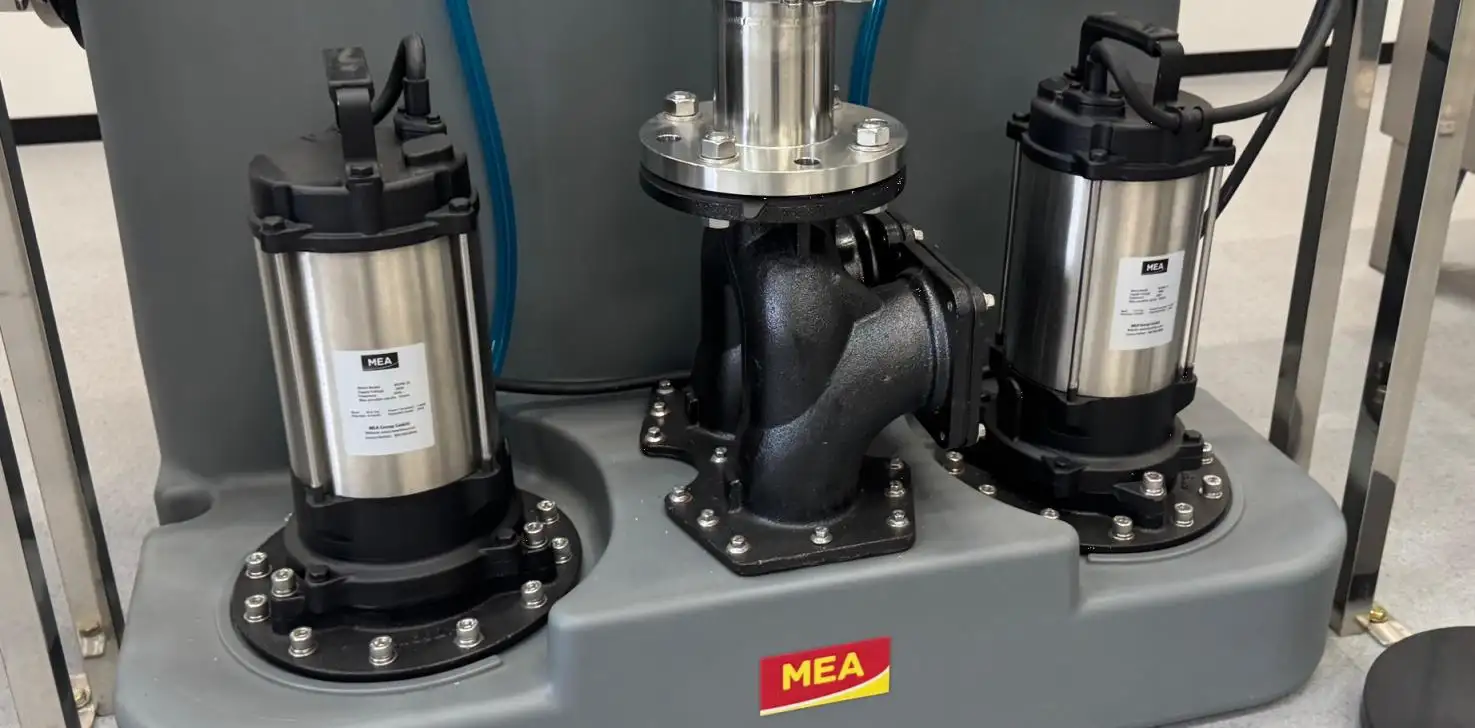
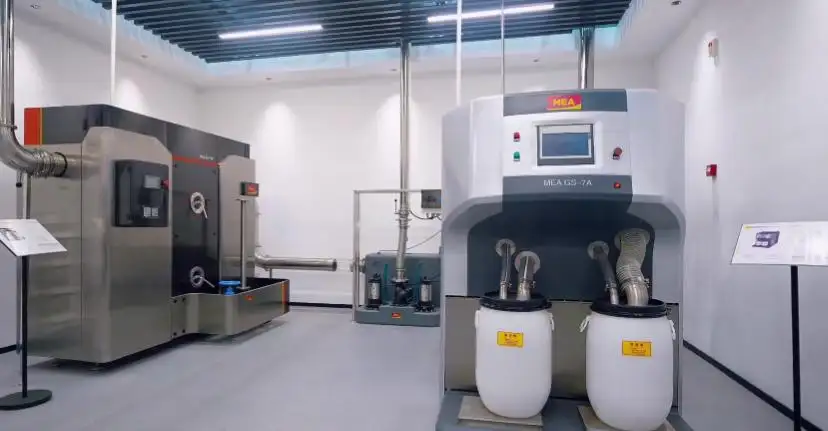
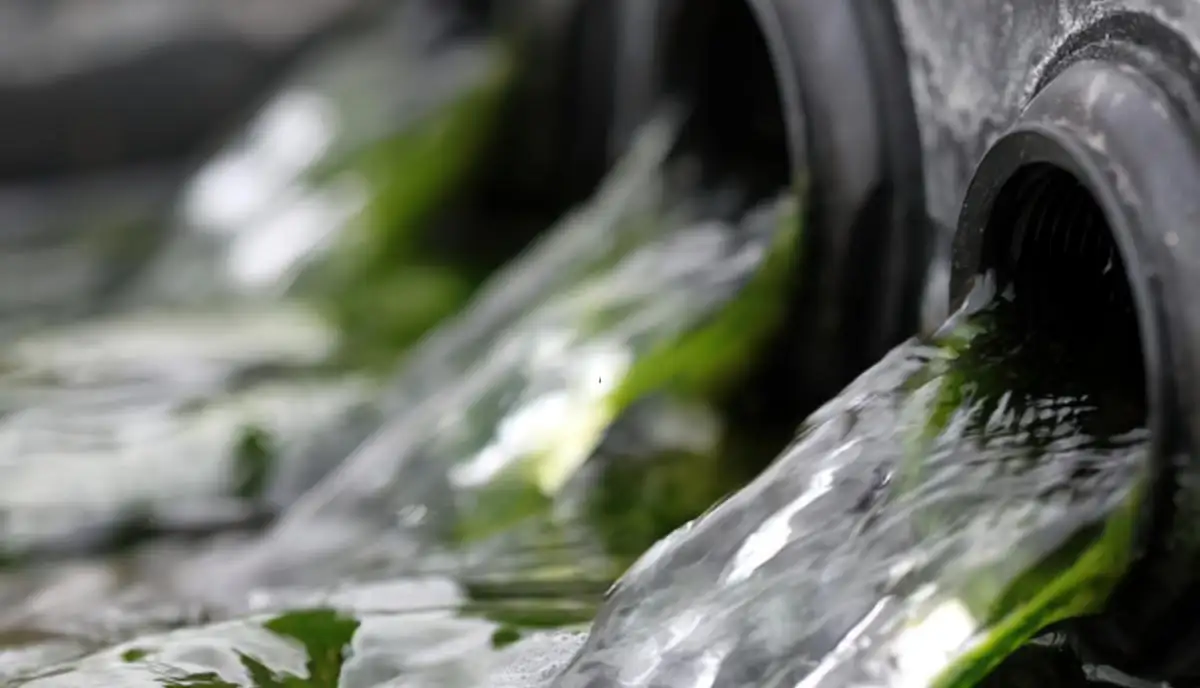
The primary purpose of most industrial drainage systems is to remove wastewater and cleaning solutions from work areas. They are often an ignored design component. Their influence can be seen in the safety and hygiene of a facility, as well as compliance and the total cost of ownership of production equipment. When considering industrial drainage systems, load capacity and chemical resistance are vital. CMSA's stainless steel drainage systems show the innovation of modern design and materials of drainage systems.
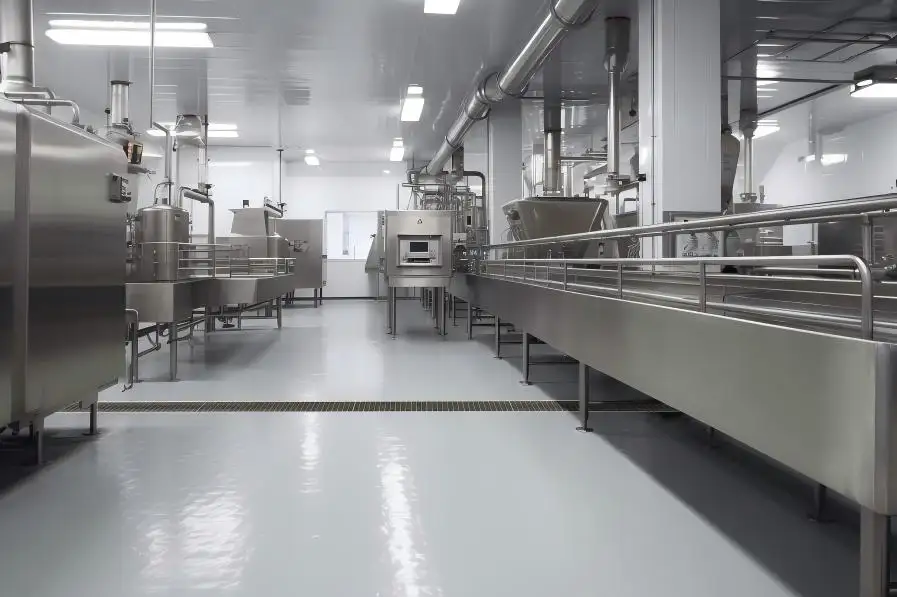
Understanding Load Capacity
Why Load Capacity Needs Consideration
Factory drainage systems are designed for the most demanding environments. Systems are subject to both static and dynamic loads from forklifts, pallet jacks, and even personal vehicles that are an integral part of the production process.
The load capacity of drainage systems must be designed to prevent the system from failing due to distortion or cracking. A drainage system that is unable to withstand the static and dynamic loads present in the system's environment will create the following problems:
•Structural Failure: A drainage system that collapses is a tripping hazard and a significant unplanned cost to repair.
•Production Downtime: A drainage system that has failed will require the production system that it supports to be shut down.
•Increased Risk of Injury: A drainage system that is deformed and has a compromised edge will increase the risk of injuries in the work area.
•Safety and Regulatory Compliance: A drainage system that has failed will most likely not meet health, safety, and environmental standards.
The EN 1433 Load Classification Framework
The European Standard EN 1433:2002 describes 6 levels of load classifications for defining drainage channels. It creates an opportunity for correlating drainage systems with application requirements:
| Load Class | Test Load | Normal Applications |
| A 15 | 15kN | Pedestrian areas, walking paths, bicycle paths |
| B 125 | 125 kN | Private drive, residential parking, terraces |
| C 250 | 250 kN | Public areas, parking for supermarkets, commercial areas |
| D 400 | 400 kN | Logistics centers, commercial areas, bus station, truck parks |
| E 600 | 600 kN | Industrial yards, loading areas of Forklifts, Heavy Trucks |
| F 900 | 900 kN | International Airports, Ports, Container Terminals, extreme heavy-duty zones |
For an industrial factory, load classes C 250 to E 600 are normally adequate. They may be applicable for the type of traffic load and equipment that are employed in that area. However, some facilities may have more severe traffic conditions. Heavy, dynamic, turning, braking, and accelerating traffic of loaded forklifts should be considered and be beyond the normal classifications.
Beyond Static Loads: The Dynamic Factor
Systems should be designed to accommodate dynamic loads; static loads do not adequately describe the serious conditions of the system. Incorporating heavier traffic would pose safety concerns, even if traffic were to remain normal, i.e. at an average speed. Engineers should consider:
•Traffic volume/intensity: The greater the volume and the more frequent the traffic, the more rapid the deterioration of the system will be.
•Braking and accelerations: These areas will exhibit the greatest dynamic forces.
•Turning of equipment: Concentrated load will vary.
•Context of the installation: The function of the system is greatly impacted by factors such as placement of the concrete, system reinforcement, and expansion joints.
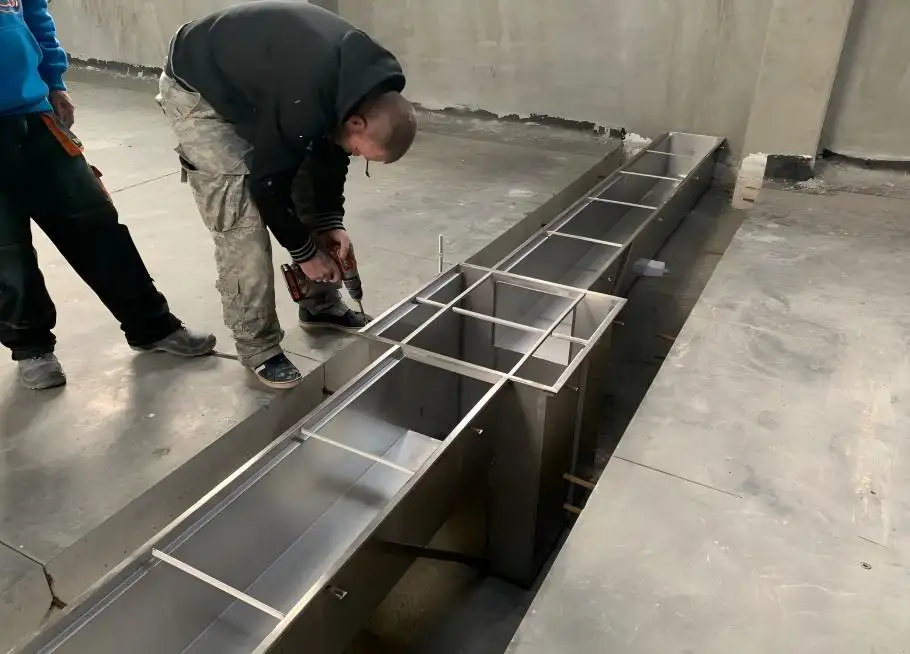
Chemical Resistance: Defending Against Industrial Hostility
The Chemical Problem Within Industries
Industrial factory drainage systems have to deal with far more aggressive liquids than rainwater or wastewater. Production processes can create waste streams that are:
•Strong Acids (Sulfuric, Hydrochloric, Acetic, Phosphoric)
•Caustic Alkalis (Sodium Hydroxide, Potassium Hydroxide)
•Organic Solvents (Alcohols, Ketones, Hydrocarbons)
•Oils and Greases (Lubricants, Cutting Fluids, Fats from Food Processing)
•Salt Solutions (Brines, Pickling Baths, De-Icing Solutions)
•Liquids at Elevated Temperatures (Boiling Water, Steam with Thermal Chemical Baths)
Chemical resistance is the ability of a drainage system to retain its physical and operational integrity and functionality when in contact with aggressive chemicals for prolonged periods of time.
Material Choice: The First Defense
The level of chemical resistance varies greatly with the choice of material:
Condensed Comparison of Industrial Drainage Materials
| Material | Chemical Resistance | Core Advantages | Typical Applications / Limitations |
| Stainless Steel (304/316L) | Excellent | Corrosion/heat resistant, easily cleaned and >20 year service life | 316L for Food, Chemical and Pharma. Aggressive chemicals |
| Polymer Concrete | Good | High versatility and prefabricated usage | General industrial drainage, moderate loads |
| FRP (Fibre-Reinforced Polymer) | Resists Acids, Bases, and UV | Light and suitable for chemical media | Drainage of chemicals with UV concern; not for heavy traffic |
| Galvanized Steel | Moderate (Fails Strong Acids and Bases) | Cost-effective | Only for low-corrosion and limited lifespan |
| Polypropylene/HDPE | Chemically stable and long-term | Highly durable and corrosion resistant | Low loads; not suitable for heavy vehicle traffic |
The Superiority of Stainless Steel in Chemical Applications
Stainless steel drainage, and in particular, 304 and 316L drainage, is quickly becoming the preferred material for a number of industrial factory drainage applications. The benefits of using these drainage products include:
•Resistance to corrosion: The passive chromium layer helps to resist stainless steel from being corroded.
•Resistance to heat: Stainless steel keeps its integrity at the high temperatures of food processing, brewing, and chemicals.
•Ease of repair: The smooth surface of stainless steel helps drainage systems to be easily maintained.
•Recyclability: Stainless steel drainage systems helps to achieve recycling goals.
•Long lifecycle: Stainless steel drainage systems can last for many years.
The CMSA Advantage: Industrial Drainage Application Design
1. Stainless Steel Products
CMSA's MEA hygienic stainless steel drainage products are manufactured using the best quality, 304 and 316L stainless steel. Products built from these materials offer:
•Resistance to aggressive and hostile chemicals, (including acids, alkalis, cleaning chemicals, and process discharge)
Chemical and thermal stability, and
•Hygienic surface properties.
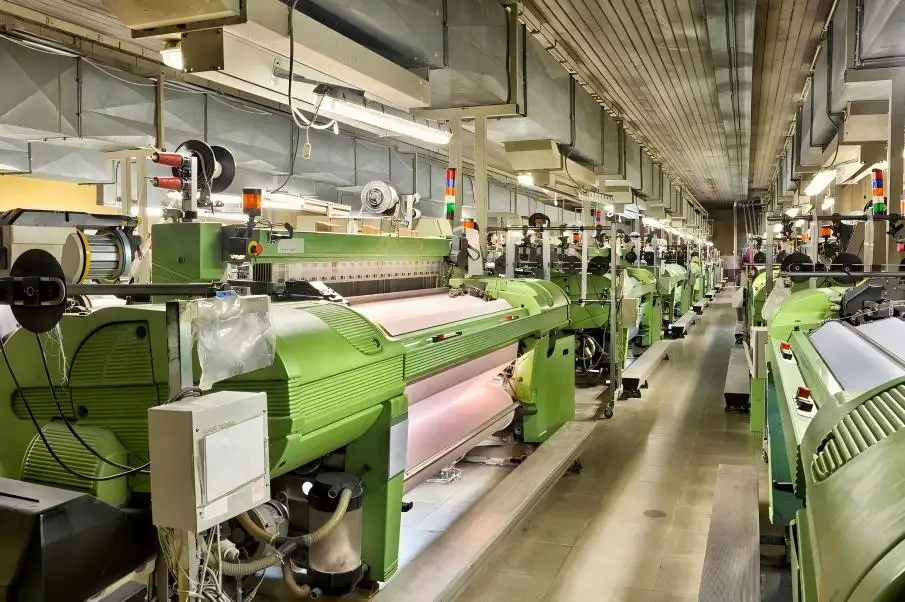
2. Innovative Drainage Design
MEA hygienic stainless steel drainage systems ingeniously incorporate modern design aesthetics to resolve the issues that arise in the drains of an industrial factory:
Fine Rounded Internal Corners:
Drain channels have internal corners that, instead of being sharp, have a radiused corner of greater than or equal to 3mm and a bottom corner of greater than or equal to 10mm. This design ensures that debris and bacteria cannot accumulate, that corners are easily drivable, and that the drain channels are easily cleaned.
Sealed Systems:
The integrity of sealed systems ensures that moisture cannot escape the drainage channels, stabilizing the subfloor and preventing structural issues. The floor in industrial environments needs to be sealed and sound so that pathways for contamination do not develop.
Drainage Channel Grating:
Options for drainage channel grating include ladder grating, mesh grating, and wedge mesh grating. These three grating types can allay concerns for safety and drainage.
3. Design Certifications
CMSA drainage products are CE marked and comply with several international drainage systems standards:
•EN 1253: Building drainage.
•EN 1433: Design for vehicle and pedestrian traffic.
•EN 16165: Slip resistance and safety.
Certification assures owners and engineers of safety and risk mitigation. Being certified means you will have an easier time at an external audit and during a safety inspection.
4. System Surfaces at CMSA
Optional surface treatments for the CMSA system include passivation, electropolishing, and sandblasting. All three surface treatments improve corrosion resistance and cleanability of the system, and can be customized to meet the specifications of an individual application.
Considerations for Specific Applications
Food Processing and Beverage Production: High load, hygienic drainage systems that are chemical resistant are required for these applications. The CMSA system, with its design sealed with smooth internal radii, stainless steel, is caustic and acid resistant and large load capable, and is bacteria resistant and growth preventative, even to hot water.
•Chemical and Pharmaceutical Manufacturing: 316L stainless steel is needed for this application because of the aggressive chemicals and corrosion resistance. An additional requirement is a smooth and non-porous surface.
•Logistics and Warehousing: The CMSA system continues to perform under the high load requirements of E 600 for the intensive traffic of forklifts and other vehicles.
•Commercial and Institutional Kitchens: The aggressive cleaners and common grease of high-temperature waste are no problem for the easy cleaning and chemical tolerance of stainless steel.
Conclusion: Specifying for Success
The needs of industrial drainage systems regarding mechanical and chemical loads are clear, as load capacity ensures no permanent deformation, and chemical resistance ensures no loss of structural integrity. CMSA's stainless steel systems provide thoughtful design and premium materials and can be coupled to certified systems and supported by technical services of a high standard. To document load ratings for a system with a hygienically designed, chemical resistant system, focus first on safety and second on harmonizing the system's longevity with chemical resistance.
FAQs
Q1: Which design load classes are specified for industrial drainage?
A: Industrial drainage systems generally require design load classes from C 250 to E 600 (EN 1433), based on the class of traffic. Higher classes are required for the movement of forklifts and trucks.
Q2: Why are stainless steels (304/316L) specified for their chemical resistance?
A: They have an excellent resistance to most of the acids, alkalis, and solvents, as well as elevated temperature, 316L offers more protection of resistance of chlorides and other aggressive chemicals.
Q3: Does the CMSA system have international standards certification?
A: Yes, it is EU CE certified and complies with EN 1253 (drainage) and EN 16165 (slip resistance) in terms of hygiene and durability.
Q4: Are these drainage systems suitable for hot waste water and steam?
A: Yes. Stainless steel is Ideal for food processing, brewing, and kitchens, as it can be used for hot applications.
Q5: Are there anti-slip covers for safety?
A: Yes, safety in industrial environments can be achieved with options such as ladder grating, mesh, and wedge mesh for a secure walking surface.


