
Sewage Lift Station Industrial Applications: System Design, Use Cases, and Selection Guide
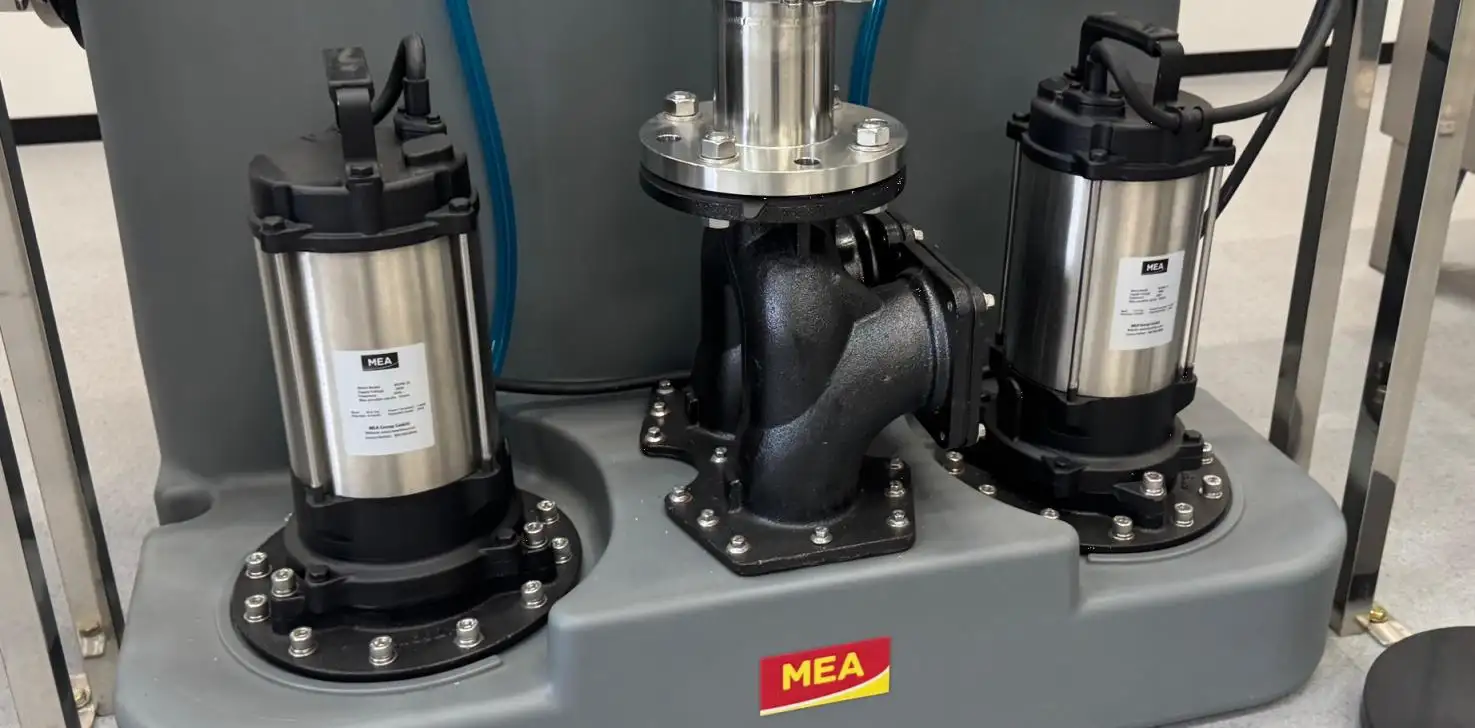
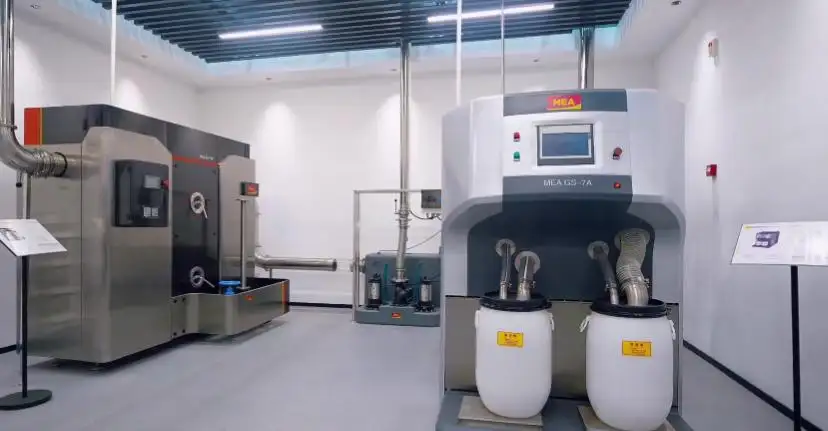
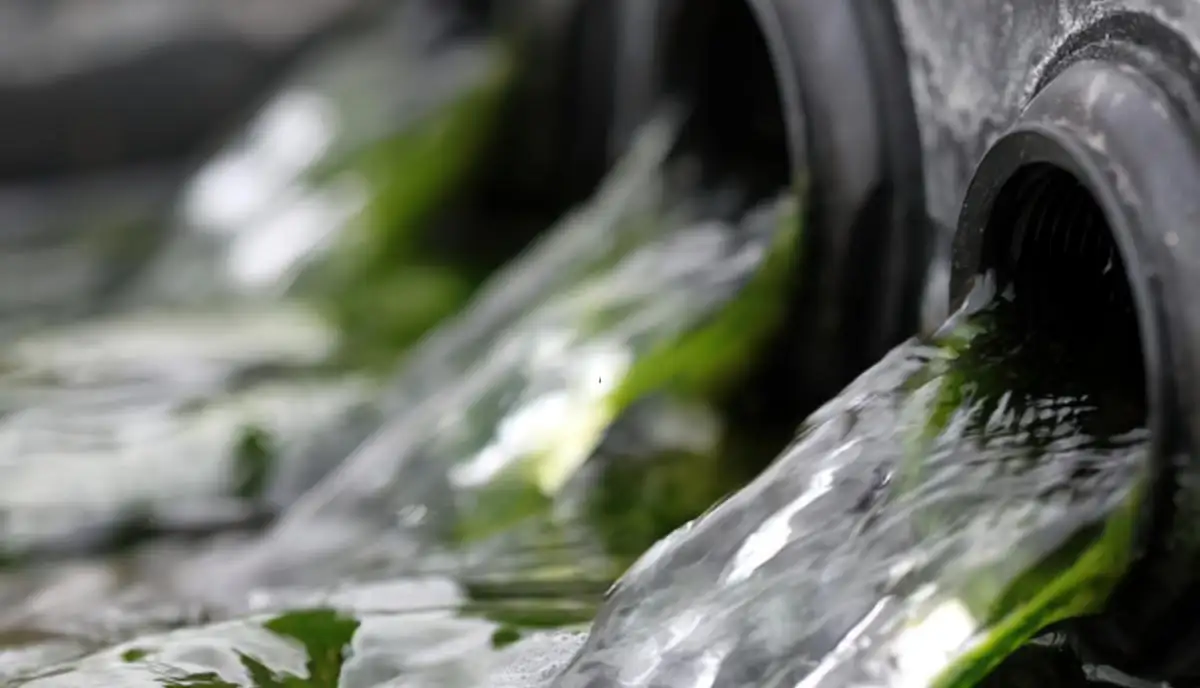
Wastewater doesn't always have the opportunity to flow by gravity into the municipal sewer system. Outlets for drainage in basements, below-grade service areas, commercial kitchens, warehouses, and certain industrial facilities may be below the level of the main sewer line and/or lack adequate fall on the piping. In these cases, wastewater is collected by a sewage lift station and discharged by the station at a higher elevation.
Common sewage lift station industrial applications include underground toilets, staff kitchens, laundry rooms, cleaning areas, equipment rooms, and low-level drainage points in commercial or light industrial buildings. A lift station does not treat wastewater. Its primary function is to collect, temporarily store, and mechanically transfer wastewater.
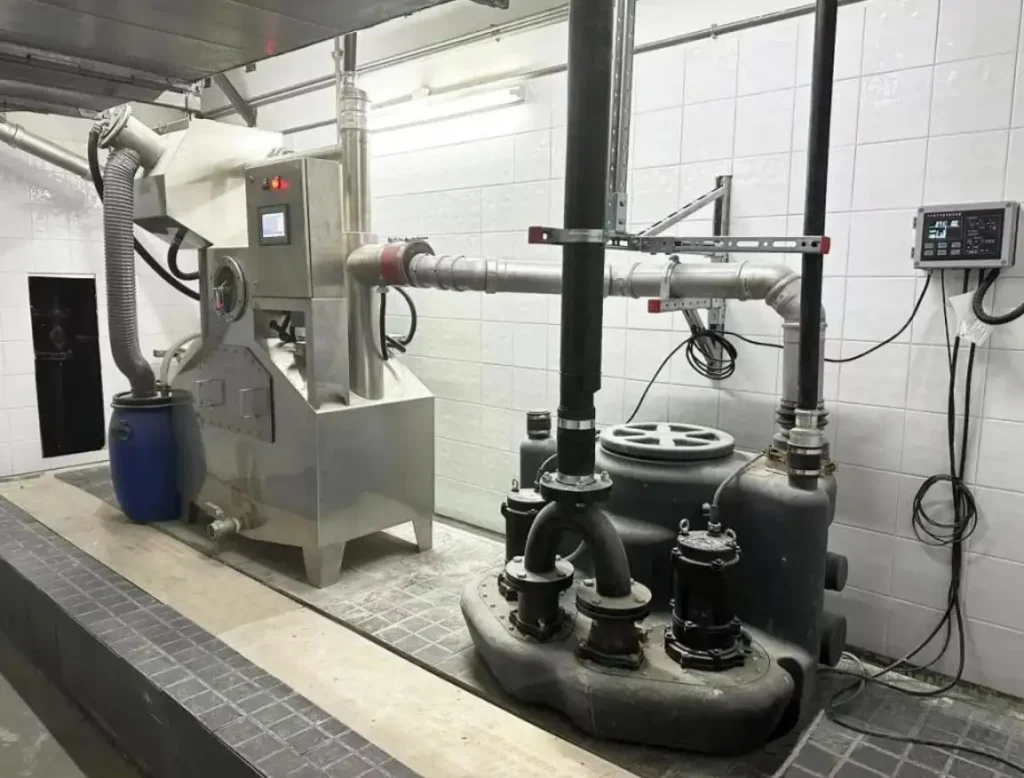
What Is a Sewage Lift Station?
A sewage lift station is a packaged drainage system designed to move wastewater when gravity drainage is unavailable or unreliable. A typical system includes:
•A wastewater collection tank
•One or more sewage pumps
•Air-pressure or liquid-level sensors
•A control cabinet
•Non-return valves
•Inlet and discharge connections
•Bearings, seals, and fastening components
The operating sequence can be summarized as:
Wastewater inlet → Collection tank → Level detection → Pump activation → Non-return valve → Discharge pipe
A sewage lift station should not be confused with other drainage equipment.
| Equipment | Main Function |
| Sewage lift station | Transfers low-level waste water to higher drainage line |
| Sump pump | Removes ground, rain, or relatively clean drainage water |
| Grease trap | Removes fats, oils, and greases from waste water of kitchen |
| Treatment system | Removes some health and environmental hazards to wastewater by physical, chemical or biological means |
How Does a Sewage Lift Station Work?
Wastewater enters a lift station tank through one or more inlets. To measure and manage the level of waste water in the tank, a control system that employs either air pressure or liquid level makes use of a signal control gauge. When the waste water reaches the controlled level, the control cabinet sends a signal to the pump to discharge the waste water.
A non-return valve stops the reverse flow of wastewater into the wastewater system. The pump will push the waste water through the discharge pipe and stop when the waste water level is at the predetermined level.
In double-pump systems, the control arrangement may support alternating operation, standby duty, high-level simultaneous pumping, or fault changeover. The exact operating logic depends on the control cabinet configuration.
Main Sewage Lift Station Industrial Applications
Commercial Kitchens and Food-Service Areas
Commercial kitchens are important sewage lift station industrial applications, especially when food preparation areas are located below the gravity sewer.
Typical locations include:
•Hotel kitchens
•Staff canteens
•Central kitchens
•Basement restaurants
•Food washing areas
Kitchen wastewater may contain grease and small food particles. A wide flow channel and non-blocking impeller can reduce clogging risk. However, a sewage lift station does not replace a grease trap. Where grease loads are significant, suitable grease separation should be installed upstream.
Industrial Buildings and Support Facilities
In industrial buildings, sewage lift stations are commonly used for non-process wastewater from:
•Staff toilets
•Changing rooms
•Cleaning rooms
•Pantries
•Underground utility rooms
•General washing areas
Process wastewater should be evaluated separately. Temperature, pH, chemical content, solids, and material compatibility must be checked before discharge into the system.
Warehouses and Logistics Facilities
Warehouses and distribution centers may need sewage lifting for toilets, washdown areas, staff facilities, and service space in the basement.
Various water intakes can be linked to multiple drainage points, but the design of the system should consider simultaneous inflow, peak demand, the size of the tank and pipes, pumping head, and the frequency of the pump cycle.
Basement and Underground Drainage
Basement drainage is among the most common sewage lift station industrial applications. Typical projects include underground commercial spaces, parking facilities, laundry rooms, toilets, equipment rooms, and renovation projects where the existing sewer level cannot be changed.
Key Selection Factors
A reliable system should be selected according to hydraulic and operating conditions rather than pump power alone.
| Selection Factor | Engineering Consideration |
| Wastewater type | Domestic, kitchen, greywater, or light commercial wastewater |
| Flow rate | Average and peak inflow |
| Pumping head | Vertical lift plus pipe friction and fitting losses |
| Tank capacity | Peak storage and acceptable pump-start frequency |
| Solids handling | Particle size and non-blocking channel design |
| Pump arrangement | Single pump, alternating duty, or duty/standby |
| Materials | Temperature, corrosion, and wastewater compatibility |
| Maintenance access | Space around pumps, valves, sensors, and tank |
Why Double-Pump Systems Matter
A double-pump arrangement can improve continuity in demanding sewage lift station industrial applications. It may:
•Increase capacity during peak inflow
•Reduce continuous loading on one pump
•Balance operating hours through alternation
•Provide backup during maintenance or pump failure
•Reduce overflow and shutdown risk
Double pumps still require maintenance. Alarms, controls, inspections, and valves continue to be necessary.
Technologies Supporting Stable Operation
One of the technologies helps to eliminate the need for constant pump supervision. This system helps to control the level of liquid in the system and maintain the necessary pressure. The pump is designed with a non-blocking channel to minimize the likelihood of blockages due to common household solids.
The metal impeller is designed to minimize the effects of wear and help to increase the service life of the pump. However, the service life of the pump is still largely dependent on the composition of the waste water. The non-return valves help to prevent the backflow of the discharge water. The enclosure compliant with IP68 helps protect the equipment from dust and water ingress under the specified conditions of the manufacturer's documentation.
CMSA Steady-Blauwal 500-55/75
For kitchen, domestic, and light commercial wastewater, the CMSA Steady-Blauwal 500-55/75 provides a practical double-pump configuration.
| Specification | Steady-Blauwal 500-55/75 |
| Pump configuration | Double pump |
| Power supply | 380V / 50Hz |
| Rated power | 5.5 / 7.5 kW |
| Motor speed | 2950 RPM |
| Tank capacity | 150 L |
| Tank material | HDPE |
| Pump body and impeller | Ductile iron |
| Mechanical seal | Silicon carbide |
| Discharge connection | DN80 with two non-return valves |
| Inlets | Multiple water inlets, including Ø110 |
| Protection level | IP68 |
| Control | Air-pressure and liquid-level control |
The unit is suited to basement kitchens, hotel service areas, staff facilities, underground laundries, warehouses, and retrofit projects with insufficient gravity drainage.
It should not be used for strong acids, alkalis, solvents, high-temperature wastewater, heavy slurry, or large hard solids without technical assessment. High grease loads should pass through appropriate separation equipment before entering the station.
Installation and Maintenance
Installation should include correct inlet, discharge, and ventilation connections, supported pipework, accessible isolation and non-return valves, suitable electrical supply, and enough space for servicing.
Routine maintenance should include:
•Inspecting for sediment build-up in the tank
•Cleaning inlets and flow channels
•Testing level control
•Inspecting non-return valves
•Checking for mechanical seal leakage
•Testing the changeover on the double pumps
•Checking the control cabinet and the alarms
The most common errors include: sizing down the tank, failure to provide ventilation, undersizing discharge pipes, failure to provide maintenance access, and allowing the discharge of incompatible chemical wastewater.
Final Words
The most important aspects of a sewage lift station for industrial applications are the type of wastewater, the maximum expected flow, the pumping head, the tank size, the compatibility of the materials, and how easy it is to maintain. CMSA helps project teams evaluate these factors to determine whether the Steady-Blauwal 500-55/75 is appropriate for drainage applications in basements, kitchens, and light commercial and industrial areas.
FAQs
Q1. What Wastewaters can the CMSA Steady-Blauwal 500-55/75 Handle?
This unit can handle domestic, commercial light, and gray waters. The main sources can be from sinks, wash areas, food service areas, and client/staff wash areas and then from food service wash areas, too. The unit cannot handle wastewaters with heavy slurries, big solid pieces, or harsh chemicals, etc. Without these characteristics the wastewater can be handled without further assessment.
Q2. Is the Steady-Blauwal 500-55/75 Designed for Commercial Kitchens?
Yes. The design features of this unit, which includes non-blocking large flow channels, multiple inlets, metal impellers, and dual pump design, can handle many commercial kitchen drainage applications. However, a grease trap should be placed before the unit when wastewater contains high amounts of grease, oils and fats.
Q3. Why are Two Pumps Used in this Sewage Lift Station?
The main purpose of a dual pump design is to maintain the reliability of unit operation, balance the wear of each pump, and provide a reserve in case of increased demand. Depending on the control design, the pumps can be configured to operate one at a time, both at the same time, or one is active while the other is on standby.
Q4. What is the Control System of the CMSA Sewage Lift Station?
The tank of the Steady-Blauwal 500-55/75 is controlled using an air and liquid level control system. When the level of the wastewater meets the level set in the control cabinet, the pump is activated. The pump is stopped when the liquid level in the tank meets the stop level set in the control system.
Q5. Does this Unit have a Design Feature to Prevent Backflow of Wastewater?
The system incorporates DN80 non-return valves to prevent the flow of wastewater back into the tank after pump cut-off. For backflow prevention, the valves should be positioned correctly along with proper piping and should also be regularly maintained.


