
Automatic Grease Removal Units vs. Traditional Grease Traps: A Practical Analysis
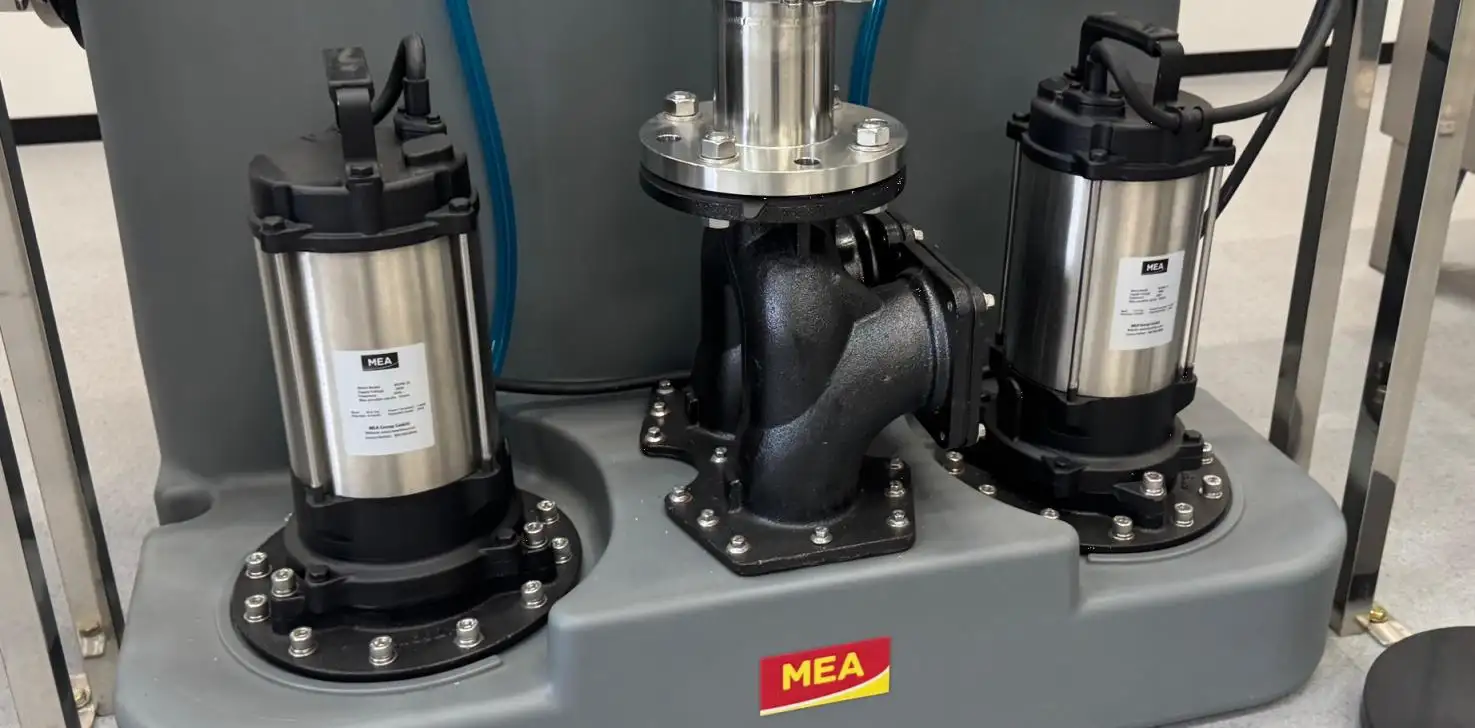
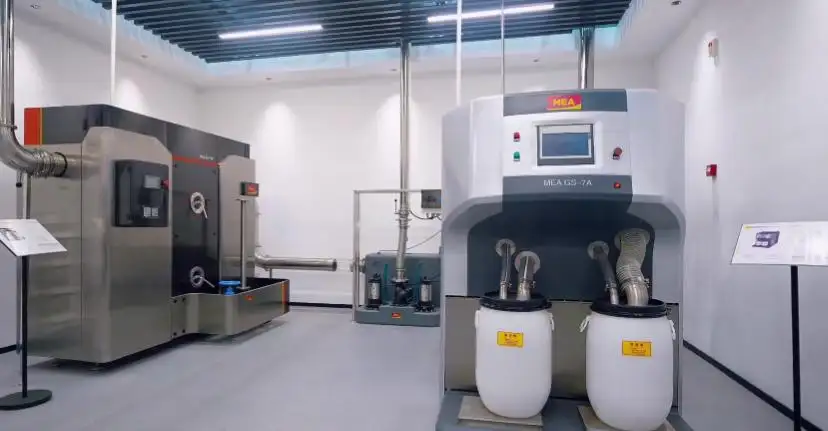
In commercial kitchens, grease management is an unsung hero. Without proper management systems, fats, oils, and grease (FOG) harden in pipes and cause blockages, backups, and environmental violation issues. For many years, the only option available were traditional grease traps, however, today, Automatic Grease Removal Units (AGRUs) have revolutionalized how restaurants, hotels, and food processing plants deal with waste. In this article, we will find out how conventional grease traps compare with modern AGRUs while examining the engineering innovations of the CMSA Full Disposal Grease Separator Unit (Model: GS-2W) — one of the most advanced grease separation technologies available.
What are Conventional Grease Traps?
Traditional grease traps are static, passive tanks that are buried in the ground or built inside a building. Wastewater will flow in as grease rises to the top, then the sludge will settle at the bottom, and water will flow out. The operator is responsible for removing the grease and this task is a manual, messy, unpleasant job.
What are the key limitations of Traditional Grease Traps?
Manual Cleaning is a Must: Staff or contractors have to remove the grease by hand, take the lids off, and throw the grease away. In a busy kitchen, this task must be done daily, or even weekly!
•The smell is terrible: Tanks will smell disgusting, and remain unhygienic, as a result of the manual cleaning process and the fact that tank seals are done poorly.
•Partial separation: The passive design causes small droplets to escape the trap and be carried downstream, and this can ultimately lead to FOG downstream pipe clogging.
•Burdening the staff: Routine inspections and a lack of staff do not help with the hefty burden on maintenance and upkeep for the trap.
Can you get fined? If the grease trap is almost at full capacity, the grease will leave the trap and go into the sewer, this can result in a fine.
The Development of Automatic Grease Removal Units
Automatic Grease Removal Units (AGRUs) have a mechanism that overcomes the shortcomings of traditional grease traps. Unlike grease traps that rely on gravity and passive separation of grease, AGRUs remove grease using mechanical scrapers, heaters, or agitators. Usage requires less human contact and can be automated.
Reasons for moving to AGRUs
•Lower Expenses: You no longer have to hand scoop every day.
•Zero Odors: The system's fully enclosed, so odors are also contained.
•Reliably Consistent: The internal systems are designed to capture grease excellently.
•Assist with Compliance: Many units meet the more stringent municipal discharge regulations.
CMSA Full Disposal Grease Separator Unit (Model: GS-2W)
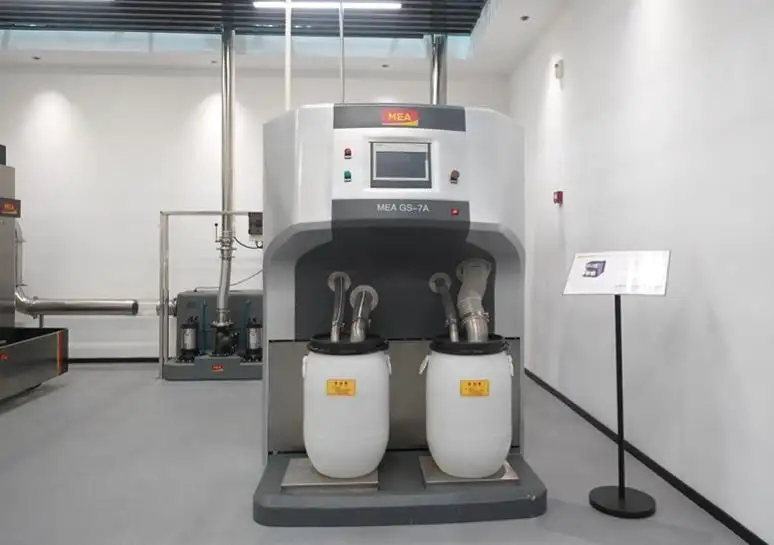
The CMSA Full Disposal Grease Separator Unit is an advancement in the design of AGRUs. Designed for high load commercial kitchens and food preparation areas, the GS-2W incorporates separation, agitation, cleaning, and disposal in a completely sealed system. Let's review the design benefits in a few areas.
1. Structural and Material Benefits
•Corrosion Proof – 2.5mm thick stainless steel makes the chamber and the container corrosion resistant from FOG and tough cleaning chemicals.
•Light and Easy – The CMSA unit is less bulky than concrete and cast iron traps making it easier to carry and install.
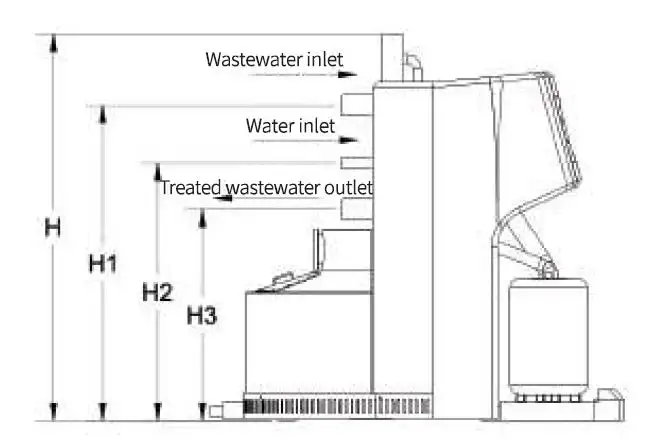
•High Load Capacity – Built to fit typical high flows, the CMSA unit is sized for larger commercial kitchens with an overall size of 745 L and a nominal size of 2 L/S.
2. Cleaning and Agitation Technologies
The CMSA GS-2W consists of an integrated cleaning and agitation system which:
•Disperses the grease mat into a sludge which can be pumped out with ease.
•Solves the problem of sludge build up at the bottom.
•Perfroms internal circulation using a centrifugal pump which is effective and efficient.
•A DN65 disposal unit contains cutting vanes which chop the solids to be discharged and ensures that discharge is clear and unblocked.
3. Manual Operation and Automatic Control
Operators can use:
•Automatic mode – Take advantage of busy lunch and dinner periods by setting and forgetting.
•Manual mode – Trigger cleaning when the volume is low.
This combined control capability increases separation efficiency and can also reduce energy and water use.
4. Enclosed Design for Odor Control.
Conventional traps release gases such as hydrogen sulfide. The CMSA unit has:
•Fully enclosed operation – No exposed surfaces covered in grease.
•DN100 vent port – Connects to the building's ventilation.
•400 mm manhole for access but is tightly sealed when not in use.
Result: A kitchen environment is free from rancid smells.
5. Double Sightglass Monitoring System
The double sightglass system allows maintenance staff to see the grease and sludge layers. The sightglass has a cleaning handle attached for the easy removal of debris without the unit being opened. This patented, easy-clean system makes daily inspections of the system a breeze.
6. Patented Easy-Clean Maintenance
The CMSA GS-2W is engineered for simple operation and low maintenance:
•No need to scoop grease manually.
•The cleaning device and agitator self-clean most internal surfaces.
•Periodic pump-out of separated grease via the disposal device takes minutes.
•Lightweight and corrosion-resistant materials reduce wear.
7. Complete Sealed Solution for Disposal
The “Full Disposal” name is accurate: the unit does more than separate. It collects grease in a sealed chamber, agitates it, and enables direct pumping into waste containers. No secondary handling, no spills, no odor exposure.
Performance Comparison: Traditional Trap vs. CMSA AGRU
| Feature | Traditional Grease Trap | CMSA Automatic Grease Removal Unit (GS-2W) |
| Cleaning method | Manual scooping | Integrated agitator + centrifugal pump |
| Labor requirement | High (daily/weekly) | Low (periodic pump-out) |
| Odor control | Poor (open tanks) | Excellent (enclosed + vented) |
| Grease capture efficiency | ~50-70% | >90% (with active agitation) |
| Maintenance complexity | High (unclogging, scraping) | Low (sightglass cleaning handle + pump) |
| Space footprint | Large | Compact (2010mm L × 1146mm W) |
| Material durability | Concrete/plastic – prone to cracks | Stainless steel – corrosion resistant |
Why CMSA's Design Matters for Real-World Operations
Commercial kitchens face constant pressure: high FOG loads, limited staff for maintenance, and strict health inspections. The CMSA GS-2W solves these pain points:
•Easy Maintenance – The patented easy-clean design means a single worker can manage the unit in minutes per day, compared to hours with a traditional trap.
•Efficient Cleaning – The agitator and cleaning device work together to remove 99% of retained grease during each cycle.
•Double sightglasses allow real-time monitoring without opening the lid – a small feature that saves huge effort.
•Enclosed running not only controls odors but also prevents insect breeding and fire hazards (grease fires are rare but real).
Long-Term Cost and Environmental Benefits
While a traditional grease trap has a lower upfront cost, the CMSA AGRU delivers lower total cost of ownership:
•Reduced labor (savings of 10–20 hours per week)
•Fewer emergency plumbing calls (no grease blockages downstream)
•Lower water usage (efficient cleaning cycles)
•Avoidance of municipal fines
Environmentally, better grease capture means less FOG entering sewers, reducing “fatbergs” and treatment plant overloads.
Conclusion
Old grease traps served a purpose, but they don't work well in modern high-volume kitchens. The CMSA Full Disposal Grease Separator Unit (Model: GS-2W) is an automatic grease removal unit (AGRU) that provides a more sanitary, intelligent, and dependable system. The CMSA unit employs patented technology and sets a new benchmark in grease management with stainless steel construction, integrated agitation, dual control, double sightglasses, and an advanced easy clean system. Switching to an AGRU from a traditional grease trap will help you maintain high hygiene standards, meet compliance requirements, and reduce your staff costs. The future of FOG management is automatic, and CMSA GS-2W is the first mover.
Frequently Asked Questions (FAQ)
Q1: How often does the CMSA GS-2W need to be cleaned?
A: There is no need for manual scooping. The cleaning system and the agitator operate automatically. Grease pump-out is usually 2-4 weeks.
Q2: Can I install an Automatic Grease Removal Unit outdoors?
A: Yes. Since CMSA GS-2W is constructed with corrosion-resistant stainless steel with an enclosed system, it is suitable for both indoor and outdoor purposes.
Q3: Does the CMSA unit remove sludge as well as grease?
A: Yes. The sightglasses show grease and sludge, and the agitator keeps sludge from compacting. The disposal device with cutting vanes pumps them out.
Q4: Is training required to operate the CMSA GS-2W? A: Only a little training is needed. The unit has manual and automatic operations, and the patented easy-clean design allows kitchen staff to view the process and initiate cleaning by pressing a button.
Q5: How does an AGRU help with municipal compliance? A: Compared to the 50 to 70 percent removal for a standard grease trap, removal of greater than 90 percent of FOG means that an Automatic Grease Removal Unit (AGRU) provides a substantial reduction in the risk of sewer discharge violation fines.


