
Best Linear Drain System: The Complete 2026 Buyer's Guide

Introduction
The Linear Drain System solutions are now a critical element in the design of modern transport and urban infrastructure. In airports, highways, terminals, logistics yards, and building forecourts, they capture surface water continuously along traffic lanes, reduce ponding, improve skid resistance, and protect pavements from freeze - thaw damage and premature failure. A well-designed infrastructure linear drain system also simplifies grading and delivers a clean, continuous appearance along kerbs and slabs. This buyer's guide focuses on polymer concrete channels manufactured and engineered by CMSA. To identify the best linear drain system for demanding environments, engineers must look for a combination of high structural strength, chemical resistance, and large hydraulic capacity.
What Is a Linear Drain System?
In infrastructure projects, a linear drainage channel is a continuous trench-like system that collects runoff along its length and conveys it into the underground stormwater network. In heavy infrastructure projects, a polymer concrete linear drain assembly usually includes:
•A one-piece channel body cast in high-strength polymer concrete
•A removable grate or cover in ductile iron, galvanised steel, stainless steel, or a narrow architectural slot
•An outlet or collection sump offering flexible end, side, or vertical pipe connections
Relative to individual point drains, an infrastructure linear drain system:
•Continuously intercepts sheet flow along pavements, aprons, and hardstand areas
•Reduces the number of fall directions and low points required in slab design
•Delivers higher capture efficiency when rainfall intensity is at its peak
By choosing polymer concrete instead of traditional concrete or steel, designers gain lighter but very robust channels, smoother internal surfaces that support efficient hydraulic performance, and proven durability against de-icing chemicals, hydrocarbons, and aggressive cleaning agents.
Benefits of Polymer Concrete Drainage for Infrastructure
When searching for the best linear drain system for heavy-duty applications, polymer concrete offers distinct advantages over plastic or standard concrete.
Superior Hydraulic Performance
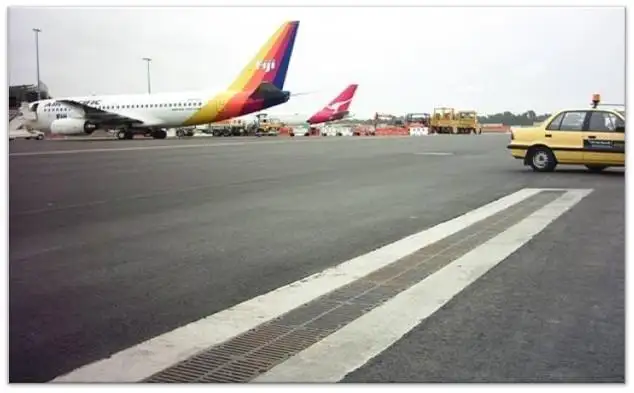
Continuous inlets along runways, taxiways, access roads, and terminal forecourts allow rapid capture of runoff during storms. The Best Linear Drain System for airports reduces standing water, hydroplaning risk, and local flooding around gates, kerb lines, and parking decks.
High Load Capacity and Durability
CMSA's polymer concrete drainage for roads and aprons is designed for international load classes up to heavy-duty categories such as F900. Robust channel bodies and ductile iron gratings resist impact and repeated wheel loads from trucks, buses, ground support equipment, and in some cases aircraft traffic, without cracking or deformation.
Corrosion and Environmental Protection
•Polymer concrete resists de-icing agents, hydrocarbons, and cleaning chemicals
•Sealed channel walls help protect surrounding soil and groundwater
•Low water absorption minimises freeze - thaw damage
Design Flexibility
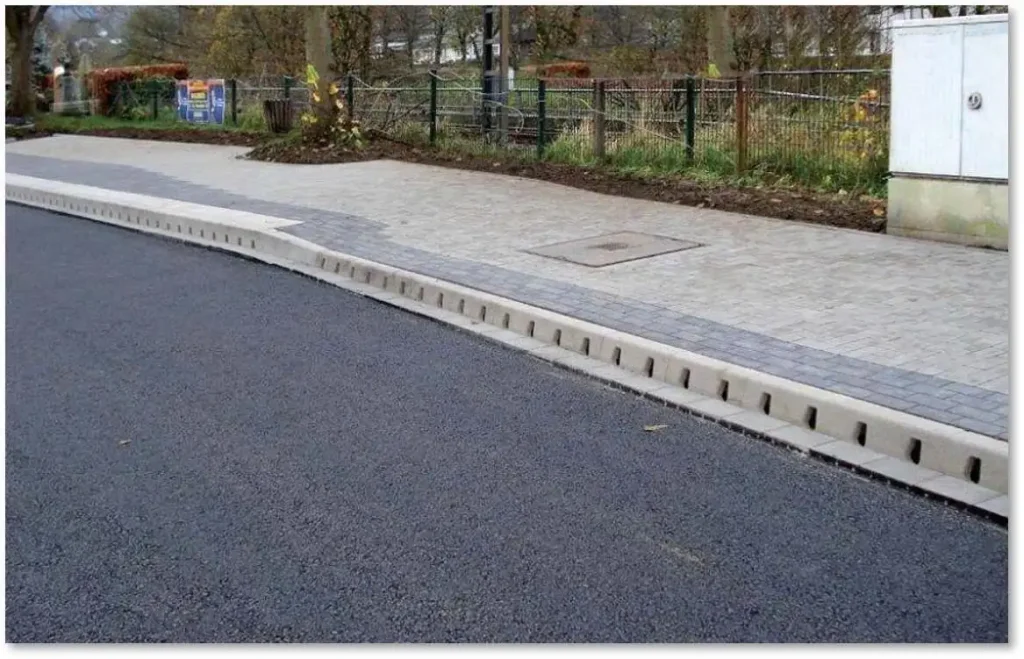
CMSA's range includes narrow slot systems for plazas and wide grated channels for heavy traffic. Designers can balance hydraulic performance with discreet visual impact in public spaces.
Showcasing CMSA's Polymer Concrete Solutions
CMSA organises its portfolio by application, profile, and grate configuration to help you find the right fit:
•Airport aprons, cargo yards, and high-load pavements
•Highway shoulders, toll plazas, and freight access zones
•Urban streets, tramways, and pedestrian plazas
•Building entrances, podium decks, and parking structures
Selected channels offer:
•Clear internal widths from 100 mm for traffic lanes and track areas
•Adjustable total heights (for example, 250 - 350 mm) to suit different construction depths
•Load resistance up to F900 in critical heavy-duty environments
These infrastructure linear drain systems are supplied in modular 1 m sections for efficient installation, with smooth internal surfaces to minimise hydraulic resistance and maintain continuous flow.
Key Design Considerations
When specifying polymer concrete linear drains, engineers and consultants should evaluate the following to ensure they are choosing the best system for the job:
Hydraulic Capacity
•Design rainfall intensity and duration
•Catchment area and surface type (asphalt, concrete, pavers)
•Required inlet length, channel size, and outlet spacing
Load Class and Structural Performance
•Pedestrian zones and light traffic
•Mixed-use streets and service yards
•Heavy trucks, container movers, or aircraft service areas
Environmental Conditions
•Exposure to de-icing salts, fuels, lubricants, or detergents
•Freeze - thaw cycles and UV exposure
•Coastal or industrial atmospheres
Interface with Pavements
Edge details, anchoring, and jointing must be coordinated with slab reinforcement, expansion joints, and construction tolerances to avoid cracking at interfaces.
For complex projects, how to choose the Best Linear Drain System is best answered through CMSA's engineering support: hydraulic calculations, layout optimisation, and detailed drawings.
Installation and Best Practices
Correct installation is essential to realise the design performance of any drainage system.
•Provide sufficient concrete bedding and structural backfill to fully support channel loads
•Set channel levels precisely so that design gradients or specified flat layouts are maintained
•Seal joints between channels and around outlets to ensure a watertight system
•Make sound, aligned connections to manholes, inspection chambers, and downstream stormwater pipes
•Protect channels and grates during construction to avoid mechanical damage and contamination by debris or concrete laitance
CMSA backs contractors with clear installation instructions, on-site briefings, and periodic inspection visits, helping deliver uniform quality across extensive airport, road, and terminal projects.
Maintenance and Cleaning
In high-use environments, even the most rugged polymer concrete linear drain will only maintain peak performance if it is subject to regular inspection, cleaning, and maintenance as part of the overall asset management plan. Recommended activities include:
•Routine inspection of gratings, channel integrity, and edge joints
•Scheduled lifting of gratings to remove debris, sediment, and litter
•Flushing of channels and emptying of silt boxes or baskets in sumps
•Use of interceptors or silt traps in high-debris areas such as loading bays and car parks
Timely investigation of slow drainage, localised cracking, or odours allows issues to be resolved before they affect operations or safety.
Linear Drain Systems vs. Traditional Point Drains
Compared with isolated point inlets, a Best Linear Drain System vs traditional drains offers clear advantages:
•Continuous capture along pavements instead of relying on a few low points
•Simplified longitudinal grading with fewer complex falls
•Fewer individual inlets to maintain and fewer potential blockage points
Traditional point drains still have a role in small courtyards, localised depressions, or retrofit situations. However, for airports, long roads, plazas, and loading bays, a polymer concrete linear drainage channel generally offers higher hydraulic reliability and lower lifecycle costs.
Conclusion and Call To Action
A polymer concrete Best Linear Drain System from CMSA delivers high-capacity water capture, heavy-duty load resistance, chemical durability, and refined architectural integration in a single coordinated solution. For airports, roads, terminals, urban spaces, and modern buildings, high-performance polymer concrete linear drainage for infrastructure is now a strategic investment in safety, asset protection, and long-term operating efficiency.
To select the most appropriate high-capacity linear drain channels for your next project, contact CMSA's engineering team for:
•Project-specific hydraulic calculations and layout proposals
•Assistance with system selection and load class verification
•Detailed drawings, BIM data, and installation guidance
Engage CMSA early in the design process to ensure your drainage concept is robust, compliant, and ready for the demanding conditions of 2026 and beyond.


