
V-Shaped Channels: Optimizing Drainage for Chemical Feed Systems in Water Treatment
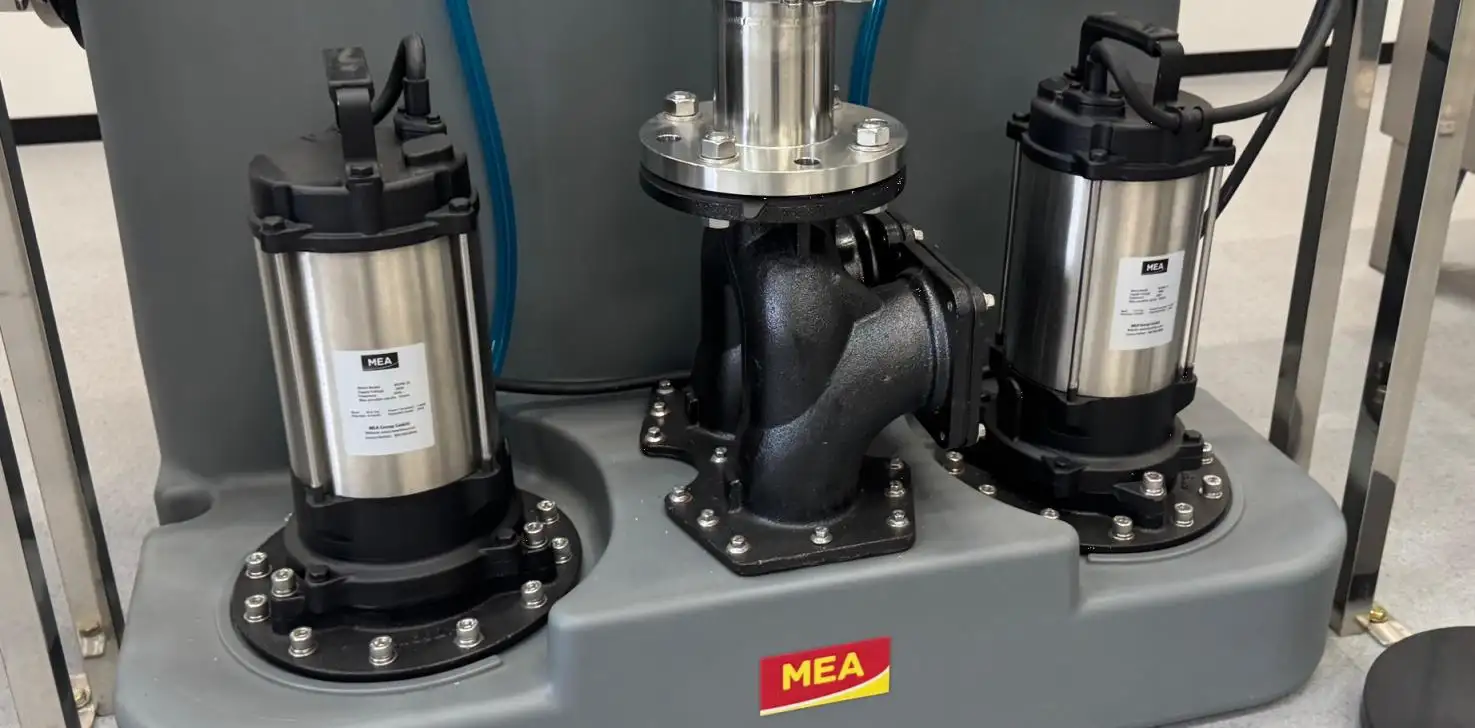
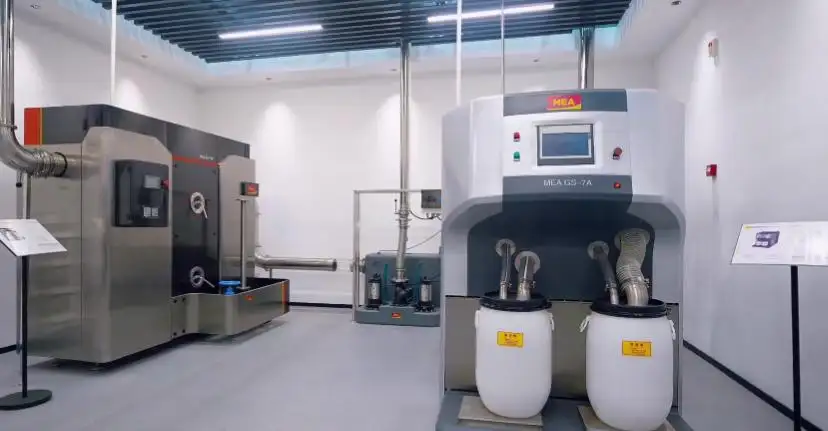
Chemical Feed Systems Water Treatment works best when the surrounding area stays dry, clean, and predictable—and that is exactly where V-Shaped Channels add quiet, practical value.
In dosing rooms and treatment support areas, the “process” is not only inside the pumps and pipes. It also happens on the floor: rinse water after maintenance, washdown from daily cleaning, small spills during chemical handling, and wet footprints that travel farther than expected. If that moisture sits, it becomes more than an inconvenience. It can create slippery zones, leave residue trails, and increase cleaning time. Over weeks and months, slow drainage turns a technical space into a high-effort space.
1) What is a V-Shaped Channel?
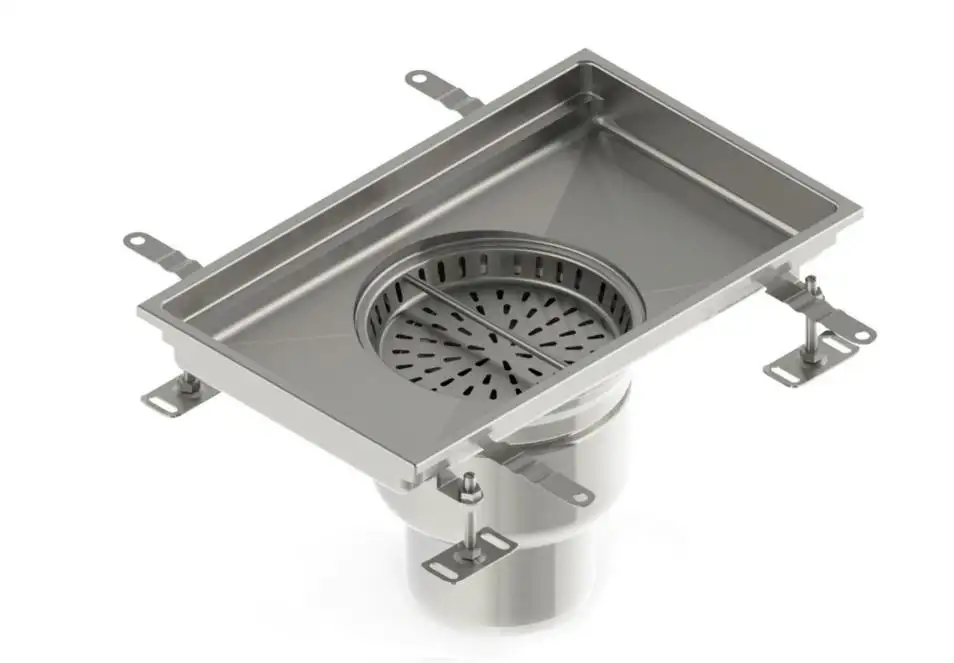
A V-Shaped Channel is a linear drainage channel whose bottom is formed like a “V” rather than flat. That small shape change improves how water moves, where residue collects, and how easily the line cleans out. In this guide, we explain what the V-shape actually does—and why it fits the real needs of Chemical Feed Systems in Water Treatment sites.
A V-Shaped Channel is designed to collect surface water and guide it toward an outlet with less hesitation. The V-form creates a natural “centerline” where water wants to gather. Compared with a flat-bottom channel, this helps water stay concentrated instead of spreading out thinly and slowing down.
For beginners, it helps to think about the floor around chemical operations like a working surface, not a passive surface. During Chemical Feed Systems in Water Treatment process, you often have:
• Long runs along walls or equipment lines, where water flows in one direction
• Maintenance points that create repeated “wet events”
• Areas where operators need safe footing and easy visual inspection
When drainage is weak, these zones keep asking for extra attention. A V-Shaped Channel supports daily stability by helping the area return to “dry and ready” faster after cleaning or minor spills.
2) How the V-Shaped Base Improves Drain Behavior
By guiding water to the lowest center, the V shape tightens the flow path and diminishes broad areas where residue tends to remain.
In practical terms:
✅ Directed discharge: water collects centrally and moves to the outlet rather than pooling.
✅ Less residue: limited flat surfaces reduce opportunities for debris to settle.
✅ Better self-cleaning behavior: rinse water can carry light debris along the slope, leaving less film behind.
This is especially valuable during Chemical Feed Systems in Water Treatment environments because many wet moments are small but frequent. A quick rinse after handling. A minor splash near a mixing tank. Routine washdown after a shift. If drainage is slow, the floor never fully resets. When the floor resets quickly, the room becomes easier to manage and safer to work in.
3) Why Slot-Style Channels Keep Spaces Easy to Inspect
In many facilities, drainage must perform well without interrupting the floor layout. This is why slot-style channels are widely used in cleanrooms, commercial kitchens, retail back-of-house corridors, and minimalist architectural zones.
A slot-style design uses a narrow slot opening that stays flush with the floor. That means you can remove water efficiently while maintaining a clean visual line. Dealing with Chemical Feed Systems in Water Treatment areas, this visual simplicity is not just “design preference.” It supports inspection.
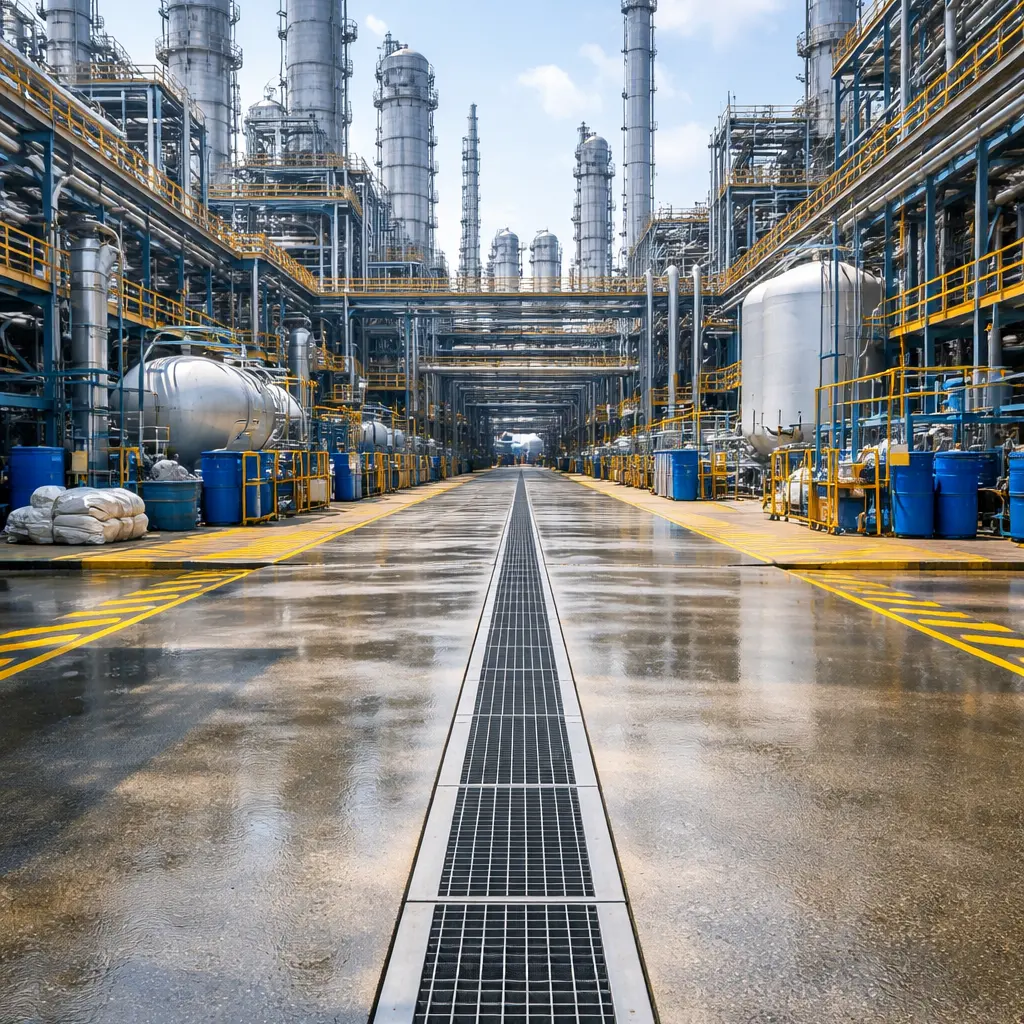
When the drainage line is discreet and the floor looks continuous, it becomes easier to spot issues such as:
• Small leaks that repeat in the same location
• Drips from a valve or fitting
• Chemical residue marks that suggest over-splash or poor rinsing habits
A slot profile can help your site look more professional while supporting the practical need: identify problems early, before they become downtime.
Many slot channel systems also include features built for real operations:
✅ Slip-resistant gratings to support safer walking in wet zones
✅ Stainless steel construction for durability and corrosion resistance in demanding environments
✅ Surface treatment options to match different facility conditions and cleaning routines
4) Hygiene Advantages of Weld-Free Joints
In sanitary or hygiene-focused spaces, the hardest parts to clean are often the least visible parts. Joints and seams can become collection points for residue if they are irregular or difficult to rinse.
That is why weld-free joints can be a meaningful advantage. This is not only a manufacturing detail—it changes maintenance reality.
Weld-free joints can help you:
✅ Reduce contamination risk by minimizing irregular seams where residue can sit
✅ Speed up cleaning because internal surfaces are easier to rinse and inspect
✅ Keep performance consistent by lowering the chance of buildup that narrows flow paths over time
For Chemical Feed Systems in Water Treatment operations, consistent cleanliness supports consistent operation. If cleaning takes less time and feels simpler, teams are more likely to do it thoroughly and on schedule. That reduces the “slow drift” from clean to messy that many technical rooms experience.
5) End Outlet Discharge for Simple Plumbing
A drainage channel is only as good as its connection to the building drainage system. If the outlet design complicates plumbing, the project becomes expensive and slow—and the installation often gets delayed.
An end outlet discharge design keeps routing straightforward. The channel captures and conveys water to the end outlet, where it transitions into downstream plumbing.
This creates practical benefits:
✅ Direct discharge into downstream pipe systems with clear routing
✅ Fewer complicated outlet points along the run
✅ Better fit for long linear lines along walls, corridors, and equipment edges
In many Chemical Feed Systems in Water Treatment rooms, drainage lines need to follow equipment layouts. End outlets align well with that reality. The system can also be modular, which matters when your site grows. If you add new skids, more wash points, or expand the room layout, modular channels allow extension without rebuilding the entire drainage route.
6) How to Choose a Channel for Your Chemical Area
The best drainage design matches how your site actually operates. Before you select a channel, map the wet behavior:
• Where does water appear most often?
• Where does it flow, and where does it stop?
• Which corners stay damp longer than they should?
• Where do operators walk during wet conditions?
Then follow this decision guide:
✅ Need fast dry-down post-washdown? Pick a V-shaped bottom for better flow and self-cleaning support.
✅ In hygiene-critical settings? Specify stainless steel and weld-free joints for easier sanitation.
✅ Looking for discreet drainage in modern interiors? Choose a narrow slot that sits flush and allows inspection.
✅ Prefer simple plumbing integration? Select an end outlet discharge approach for direct connection and clear routing.
✅ Expect future expansion? Choose a modular form that allows flexible layout and extension.
CTA (Call-to-Action)
If you are planning a new build or upgrading Chemical Feed Systems in Water Treatment support areas, contact CMSA for a practical V-shaped channel selection and layout suggestion. Share your floor plan, cleaning routine, and pipe connection location. We’ll help you specify a modular slot channel system that boosts drainage performance, protects hygiene, and installs efficiently—so your facility stays cleaner, safer, and simpler to manage.


