
Drain Filtration and Odor Control Basics: Guidance from Industrial Water Filter Suppliers
Leading industrial Water Filter Suppliers tend to agree on one lesson that many facility teams learn the hard way: the drain is not “just a drain.” It is the first checkpoint that decides whether your downstream Water Filter strategy stays stable or turns into a constant cycle of cleaning, unclogging, and odor complaints. When solids slip into the pipe network, they collect at elbows and low points. When odor seals are weak or disturbed, backflow gases find their way into the room.
At CMSA, we focus on the source of these problems. Our approach is to control what enters the drainage line and to keep a consistent barrier against odor at the same time. For beginners, the concept is simple: filter early, seal reliably, clean quickly. That combination improves flow, reduces maintenance pressure, and protects hygiene-sensitive spaces where air quality and sanitation cannot be left to chance.
Why Drain Filtration Protects the Entire Water Filter Chain
Many sites invest heavily in process Water Filter equipment, yet they treat drains as an afterthought until something goes wrong. But drains are where real-world contamination appears first: food particles, hair, packaging fragments, and suspended solids that seem harmless in small amounts but become serious when they build up daily.
Industrial Water Filter Suppliers often describe Drain Filtration as upstream defense. If solids are captured at the drain, they do not travel into the pipework where they can harden, form sludge, or trigger recurring partial blockages. In practical terms, that upstream control offers three benefits that operations teams notice quickly:
• More stable flow rates through drainage lines, especially in high-use areas
• Lower clog frequency, which reduces emergency cleaning and downtime
Better protection for downstream components, including pumps, interceptors, and any related Water Filter systems connected to drainage management
A small improvement at the drain can protect a large network downstream. That is why Drain Filtration is often the most cost-effective place to start when hygiene, uptime, and predictable maintenance matter.
Odor Control Works Best When the Water Seal Stays Stable
Odor issues in sanitary zones are rarely caused by “dirty air” alone. Most of the time, the source is backflow gas from the drainage line. When the odor barrier is inconsistent—because the seal dries out, becomes disturbed by unstable flow, or is compromised by debris—gases move upward and spread into the room.
CMSA’s approach to Odor Control is based on a simple physical principle: a stable water seal blocks gas. That is why an integrated water trap matters. In most reliable designs, the trap maintains a seal depth of at least 50 mm (≥ 50 mm), which helps resist disturbances during real facility use—rush-hour discharge, washdown cycles, and routine cleaning.
This type of Odor Control is not cosmetic. It is operational. It supports cleaner indoor conditions in kitchens, laboratories, and controlled production zones without requiring staff to add extra steps or rely on temporary fixes.
How a Hygienic Drainage Filter Solves Two Problems at Once
Clogging and odor complaints often share the same root cause: uncontrolled solids at the drain. When debris enters the line, it slows flow and increases the chance of pressure changes, which can weaken odor sealing performance. For that reason, Industrial Water Filter Suppliers increasingly favor solutions that combine Drain Filtration and Odor Control in one compact unit.
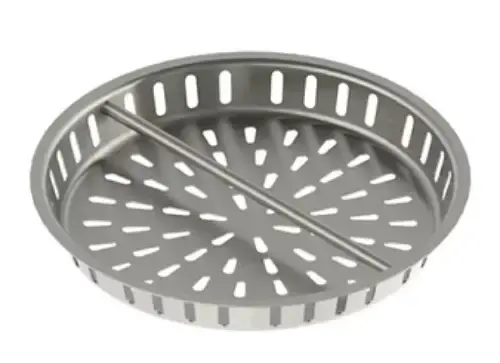
CMSA’s Hygienic Drainage Filter is built for floor drains, channels, and point outlets, and it integrates two functions designed to work together:
• Removable Filter Basket For Drain Filtration
Captures common debris such as food particles, hair, and suspended solids larger than 6 mm (> 6 mm) before they reach the pipe network.
• Integrated Water Trap For Odor Control
Forms a stable barrier that helps block backflow gases from the drainage system.
This two-in-one design supports cleaner drainage behavior because the filter basket reduces blockage risk while the water trap keeps the room environment more comfortable and consistent. For hygiene-regulated facilities, this is a practical upgrade: fewer emergencies, fewer complaints, and a drain that behaves predictably under daily use.
Materials and Hygiene Design That Make Maintenance Less Painful
Performance does not end after installation. In real facilities, the best drainage products are the ones teams can maintain quickly—especially where cleaning chemicals are used every day.
CMSA builds the unit using 304 or 316L stainless steel, selected for corrosion resistance and compatibility with aggressive cleaning agents. This matters in food, healthcare, and laboratory environments where surfaces are washed frequently and the drainage area is expected to stay stable over time.
We also pay attention to cleanability, because maintenance speed is a real operating cost. The hygienic drainage filter uses a smooth, polished surface that helps reduce residue sticking. That design choice turns into practical advantages for the user:
• Faster cleaning cycles because the surface rinses clean with minimal effort
• Tool-free access with a removable basket that simplifies debris disposal
• Less downtime because cleaning becomes repeatable and predictable
• Lower residue retention, supporting cleaner drainage conditions over the long term
If your site manages multiple drains, these small time savings per drain can add up to meaningful labor efficiency across a week or a month. This is one reason Industrial Water Filter Suppliers emphasize “easy-to-clean” features as much as filtration performance.
Installation Flexibility and a Buyer Checklist for Beginners
A common concern is whether upgrading Drain Filtration requires rebuilding the entire drainage system. In many cases, it does not. For new installations or retrofit upgrades, CMSA’s hygienic drainage filter installs into standard drainage bodies and supports vertical/horizontal outlets to suit site design.
Choose fixed or removable assemblies based on access frequency and maintenance practices. The goal is a snug, stable fit that limits leaks and avoids vibration during flow.
Keep decisions grounded with this beginner checklist for Industrial Water Filter Suppliers:
• What solids enter your drain each day?
If debris is routine, select > 6 mm retention and a basket that’s easy to detach.
• Is Odor A Repeat Issue In The Same Zone?
Opt for odor control with a robust trap and ≥ 50 mm seal depth to minimize gas escape.
• Heavy cleaners or routine washdowns on site?
Specify 304/316L stainless steel for chemical and corrosion protection.
• Minimal-training maintenance?
Select quick-release (no-tool) baskets and smooth, cleanable surfaces.
CTA: If you want a recommendation that fits your exact drain layout, contact CMSA with three details: your drain type (linear/channel/point), outlet direction (vertical/horizontal), and cleaning frequency. We will propose a Drain Filtration + Odor Control configuration that improves hygiene performance and helps protect your wider Water Filter and drainage system downstream.


