
Linear Drainage System Projects: Practical Solutions for 2026
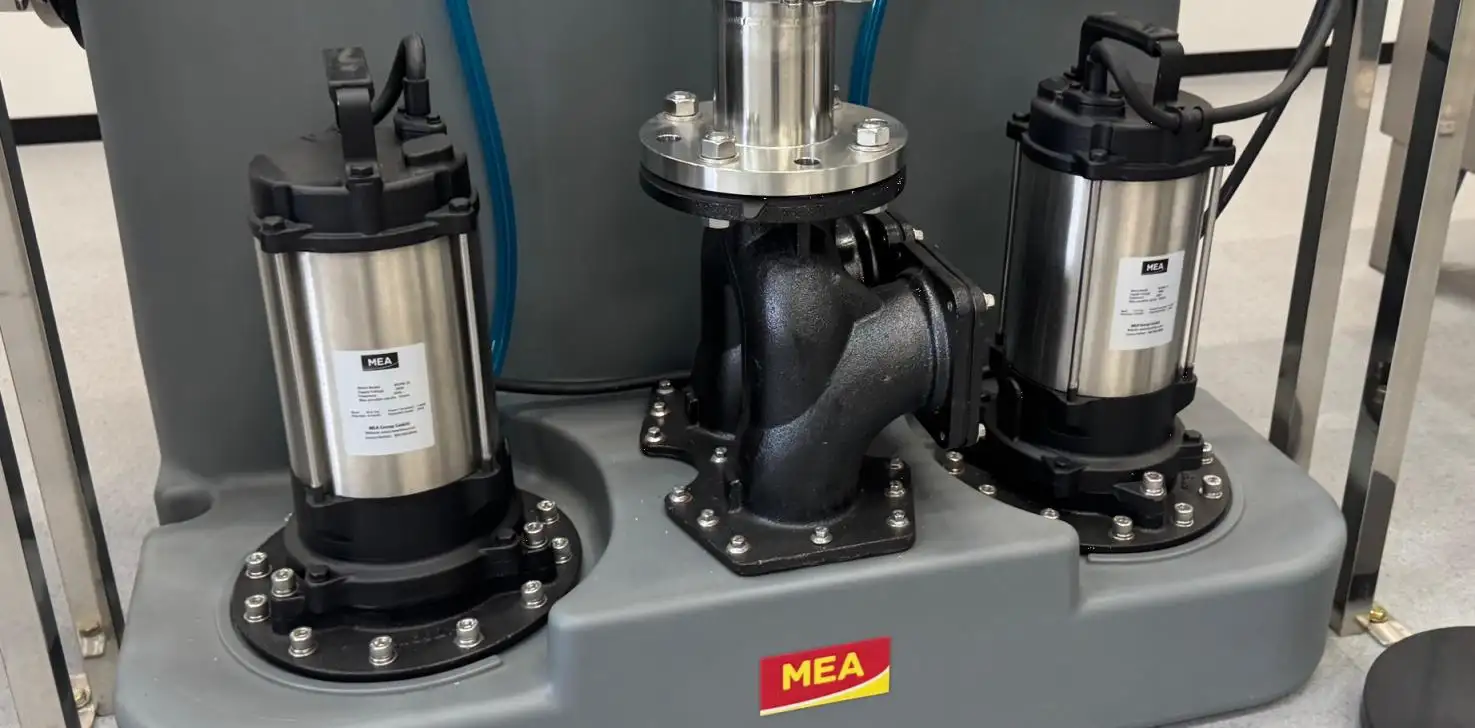
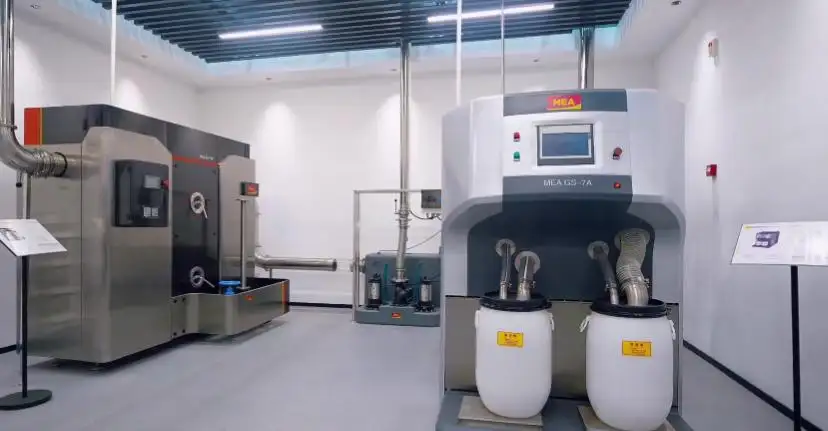

Linear Drainage System Projects are becoming more important in 2026 because drainage design now affects safety, hygiene, maintenance, and environmental performance across many industries. At CMSA, we believe a successful project should begin with the real site application. Only after understanding the project environment can buyers choose the right drainage system, material, and layout.
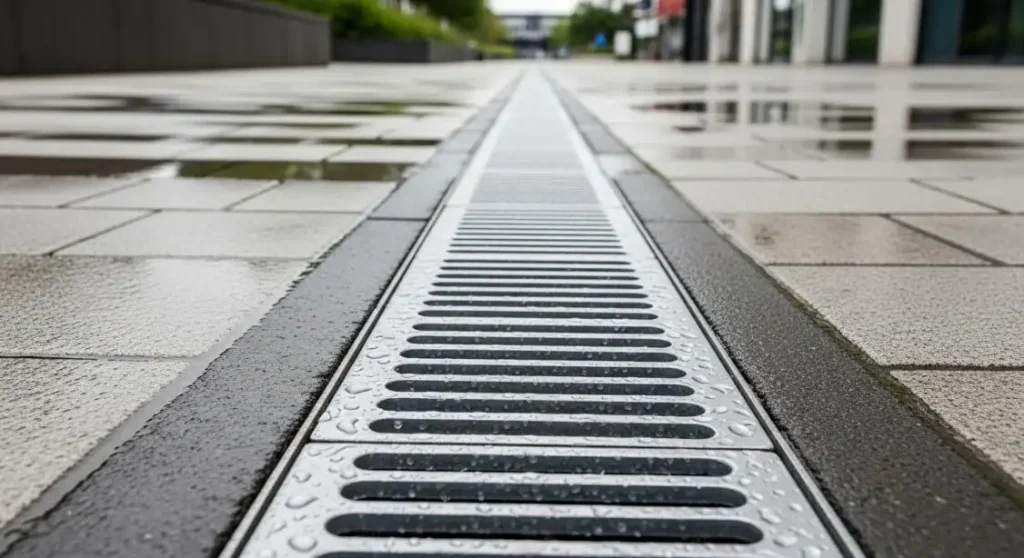
That is why many buyers today no longer look at drainage as a small accessory. They now treat it as part of the full engineering solution. From premium offices to restaurant kitchens and brewing facilities, the right drainage system helps improve daily operation and supports long-term project value.
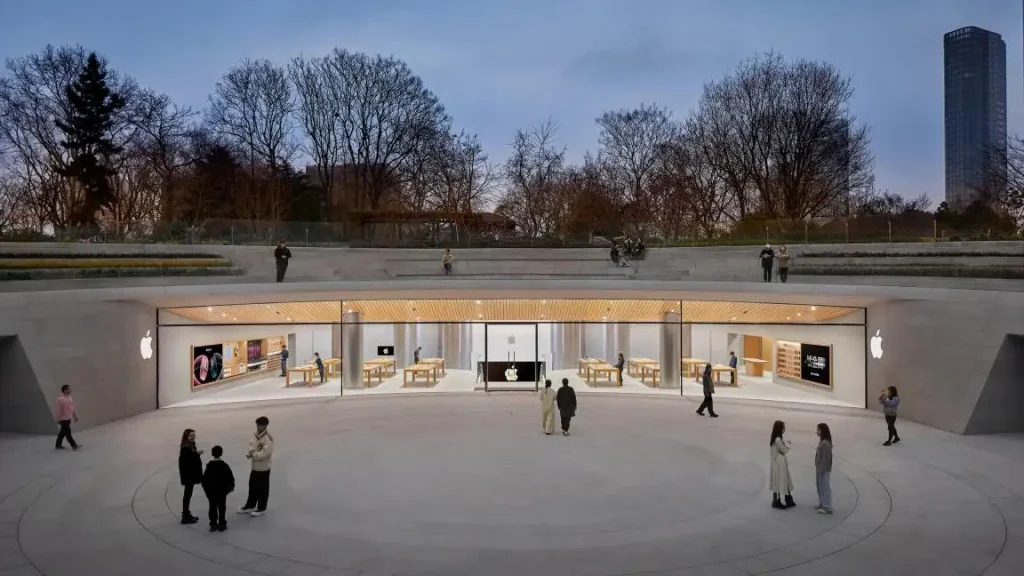
Project Example One: Shanghai Apple Office
The Shanghai Apple office provides a clear example of how Linear Drainage System Projects can support a premium commercial property. In such projects, drainage must offer strong functional performance without compromising the architectural effect. Buyers are looking beyond basic water collection. They also want a system that presents clean lines, delivers long-term reliability, and fits naturally within a high-standard design scheme.
For this kind of office project, drainage typically needs to provide practical value in several ways:
• Keep main and back-of-house areas visually clean
• Prevent obvious water pooling after rainfall or maintenance cleaning
• Protect the overall appearance with fewer upkeep concerns
• Integrate neatly into contemporary architectural planning
This example confirms that drainage design influences more than water control alone. A poorly matched system can affect the visual quality of the project and create unnecessary maintenance challenges over time. A well-matched linear drainage solution becomes part of the building quality.
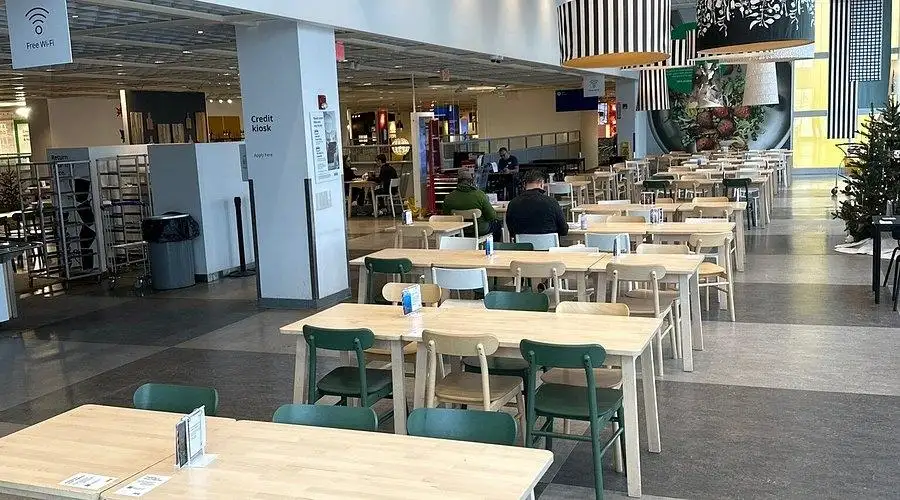
Project Example Two: IKEA Restaurant in Tianjin, Hefei, and Nanning
The IKEA Restaurant projects in Tianjin, Hefei, and Nanning represent a different drainage challenge. In restaurant and kitchen environments, hygiene becomes one of the main priorities. Drainage systems in these environments must handle water, grease, food residue, and repeated washdown on a regular basis. As a result, buyers generally need more than a standard drainage solution. They need systems that are practical for daily operation.
• Easier cleaning helps reduce labor pressure
• Hygienic channel design supports cleaner working conditions
• Anti-slip covers help improve walking safety
• Reliable sealing helps reduce leakage risks
For food-related spaces, drainage directly affects cleanliness, efficiency, and operational safety. That is why drainage systems in restaurant projects are often expected to provide hygienic design together with durable construction.
Project Example Three: Tsing Tao Brewage Facilities
The Tsing Tao Brewage Facilities show the practical drainage needs found in industrial and brewing applications. These environments often involve regular washdown, carefully managed water flow, and materials that can continue performing well under constant moisture and demanding operating conditions. In such settings, drainage is not only part of the floor system. It is part of the production support system.
This kind of project helps buyers understand an important point: not all Linear Drainage System Projects should be solved in the same way. A brewery, for example, needs a solution that supports hygiene, corrosion resistance, and easy maintenance over time. If the wrong material or structure is selected, the result may be higher cleaning difficulty, more downtime, and greater replacement cost later.
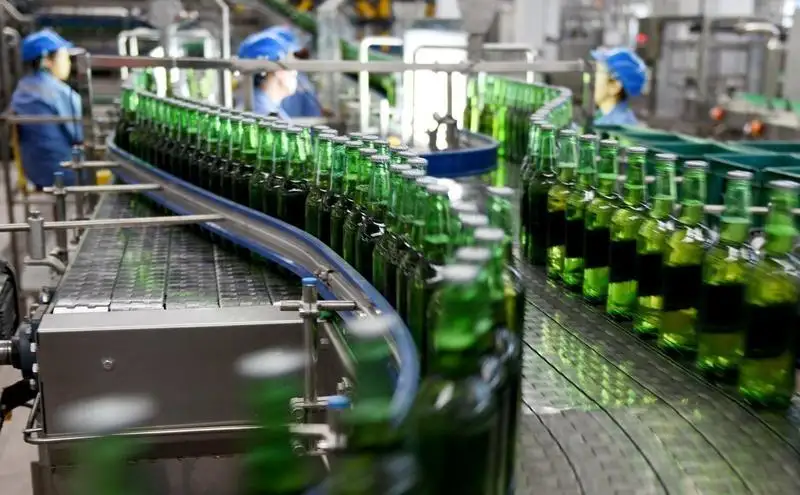
From projects like these, buyers can clearly see that drainage design should start from application logic. Different industries create different drainage priorities, and the system must respond accordingly.
What These Linear Drainage System Projects Tell Buyers
When we look at the Shanghai Apple office, IKEA Restaurants, and Tsing Tao Brewage Facilities together, a clear pattern appears. Successful Linear Drainage System Projects do not begin with a product list. They begin with project conditions.
At CMSA, we suggest that buyers first ask:
• Is the project mainly commercial, hygienic, or industrial?
• Does the site need discreet drainage appearance or strict hygiene performance?
• Will the system face regular washdown, grease, or heavy use?
• Does the project also require stormwater control or rainwater utilization?
This design logic helps buyers move from general interest to a more accurate system decision. It also reduces the risk of selecting drainage products that look suitable on paper but do not match real operating conditions.
CMSA Linear Drainage System Advantages
After understanding the project side, buyers can better see the value of CMSA's solutions. CMSA provides drainage systems for commercial buildings, residential areas, traffic zones, logistics parks, airports, harbors, food plants, breweries, commercial kitchens, and stormwater management applications. This broad experience helps us recommend systems based on practical use rather than one fixed product idea.
CMSA's advantages can be understood in terms of real buyer benefits.
• Wide Application Coverage
This helps buyers source solutions for very different projects through one supplier, which improves specification efficiency and communication consistency.
• Hygienic Stainless Steel Options In 304 And 316L
For buyers in food, beverage, and pharmaceutical sectors, 304 and 316L stainless steel offer practical advantages such as better resistance to corrosion, more efficient cleaning, and stronger support for hygienic operation.
• Modular Design
Modular structure helps simplify installation, improve layout flexibility, and reduce transport and on-site adjustment pressure.
• Leak-Proof And Easy-To-Clean Design
Smooth internal radii, sealed construction, and optional anti-slip covers help support safer and cleaner operation in demanding environments.
• Storm Water Management Capability
CMSA also offers modular rainwater collection and utilization systems. With high-quality PP material and 95% storage efficiency, these systems give buyers a practical option for water conservation, runoff control, and flood mitigation.
• Technical Support Throughout The Project
CMSA helps buyers with drainage calculations, product matching, solution design, BIM coordination, and installation guidance. This allows the supplier to contribute not only to product supply, but also to more effective design management and construction support.
Why CMSA Matters for 2026 Projects
In 2026, buyers are under greater pressure to choose systems that are efficient, durable, and suitable for specific applications. The examples of the Shanghai Apple office, IKEA Restaurants, and Tsing Tao Brewage Facilities show that drainage should be treated as a serious project decision from the beginning.
At CMSA, we see Linear Drainage System Projects as integrated solutions, not isolated products. A good drainage system should help buyers improve daily performance, reduce long-term maintenance pressure, and support a better overall project result.
CTA: If you are planning new Linear Drainage System Projects for commercial buildings, food service areas, brewing facilities, or stormwater management, CMSA can help you evaluate application needs, compare system options, and build a more practical drainage solution for 2026.


