
Stainless Steel Trench Drain Installation Guide for 2026 Projects
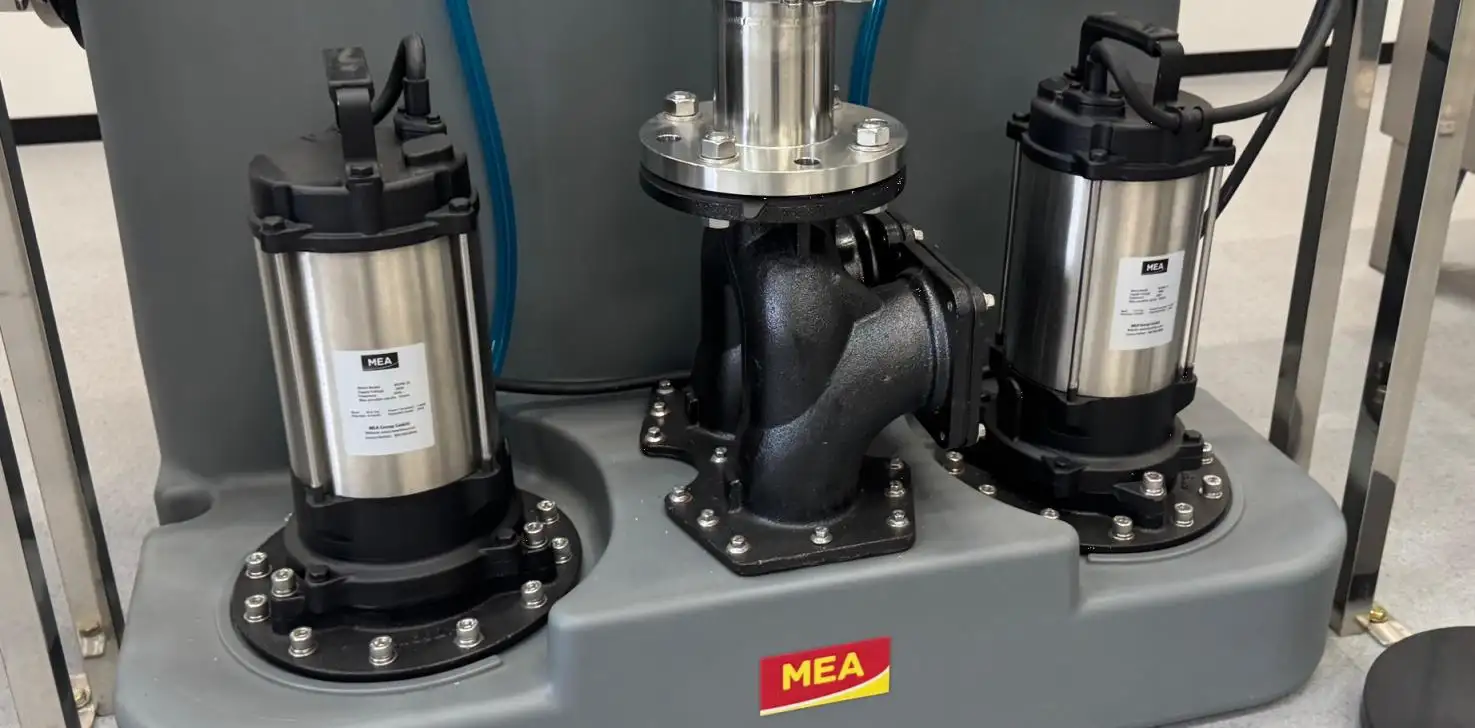
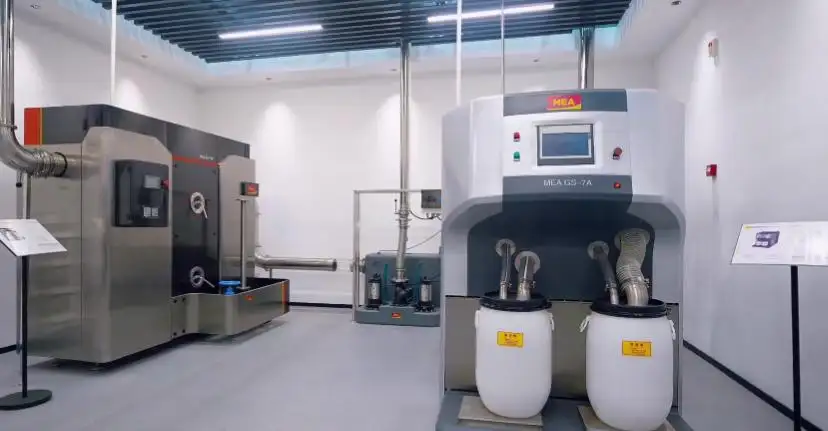
Stainless Steel Trench Drain Installation is widely used in modern commercial and industrial projects, especially where hygiene, effective drainage, and durable long-term performance are all important. In food processing plants, beverage workshops, commercial kitchens, pharmaceutical facilities, and other clean environments, the drainage system is not only a construction element. It is part of the building's operational standard.
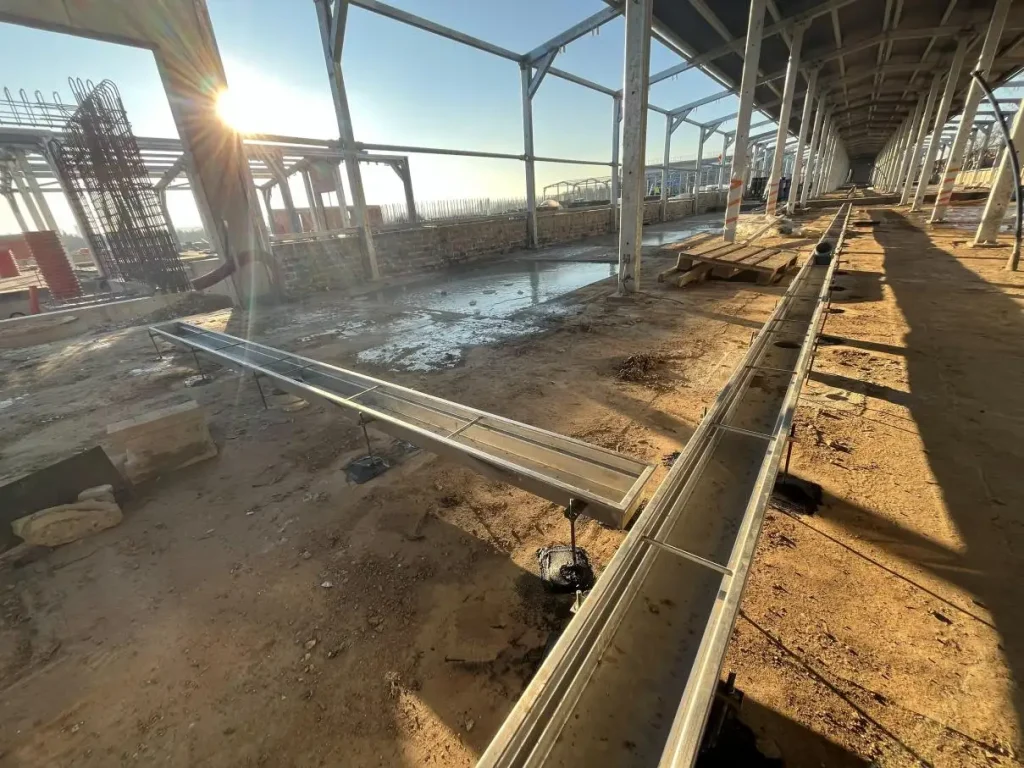
From the perspective of CMSA, buyers should not view drainage installation as a simple floor detail. A well-planned Stainless Steel Trench Drain Installation can improve wastewater collection, support easier cleaning, and reduce future maintenance pressure. For 2026 projects, this has become a more practical and more strategic purchasing decision.
Why Stainless Steel Is Widely Used in Trench Drain Systems
When buyers compare trench drain materials, stainless steel remains one of the most practical choices for hygienic and demanding environments. Its wide acceptance comes from combining mechanical reliability, corrosion resistance, and an easy-to-clean surface finish within one material choice.
For project purposes, stainless steel delivers several important benefits:
• Strong Corrosion Resistance
It remains effective in damp conditions and is suitable for spaces that require frequent washing.
• Good Hygienic Performance
Its smooth surface makes cleaning easier and helps reduce dirt retention points.
• High Structural Strength
It supports long-term use in areas exposed to foot traffic, carts, or light equipment movement.
• Long Service Life
It helps buyers reduce replacement frequency and control lifecycle cost.
• Professional Appearance
It complements the clean and high-specification image demanded by many modern facilities.
This is why Stainless Steel Trench Drain Installation is often chosen for projects that place equal importance on hygiene and durability.
Stainless Steel Classification Buyers Should Understand
Not all stainless steel trench drain systems are exactly the same. Before starting Stainless Steel Trench Drain Installation, buyers should understand the common stainless steel grades used in drainage products.
- 304 Stainless Steel for General Cleanliness
One of the most common materials for trench drain systems is 304 stainless steel. It doesn't corrode easily, so it's good for a lot of indoor commercial and industrial settings.
People often choose it for:
• Food preparation areas
• Commercial kitchens
• Beverage production zones
• General factory washdown areas
304 is a good choice for many buyers because it balances performance, availability, and cost.
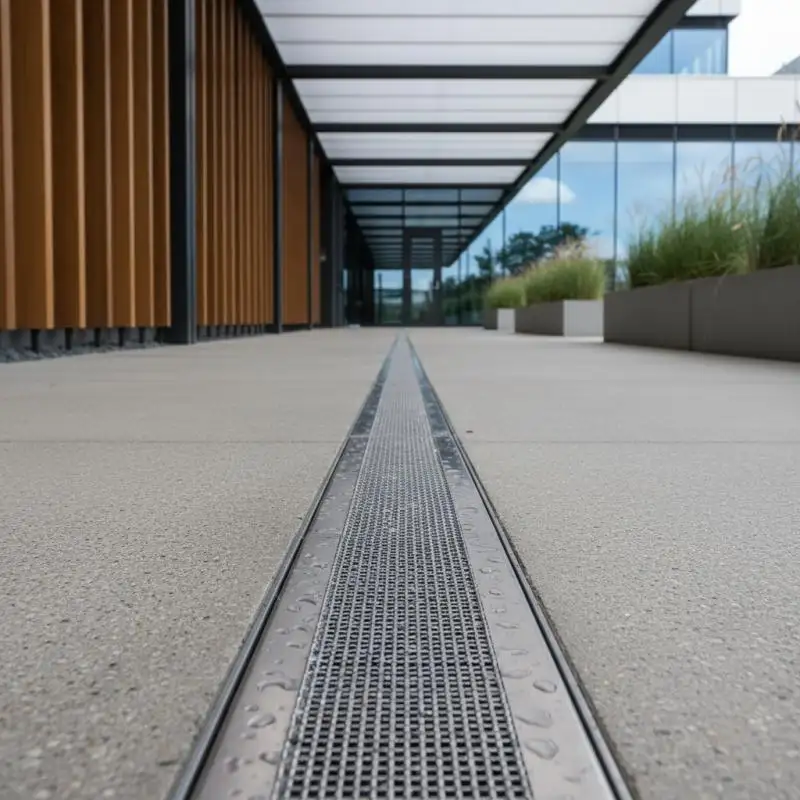
- 316L Stainless Steel For More Demanding Conditions
People usually choose 316L stainless steel when the project environment is harsher or when they need something that is more resistant to corrosion. This can be important in places where the cleaning chemicals are stronger, there is more salt, or there are stricter hygiene rules.
For buyers, this creates clear project benefits:
• Improved suitability for more demanding operating conditions
• Stronger confidence in long-term durability
• A better fit for hygienic projects with higher performance requirements
CMSA offers Modular Box Channel products in 304 and 316L, giving buyers more flexibility when matching product specifications to project demands.
How Better Design Makes Installation More Reliable
The right material provides essential support, but successful installation also depends on effective product design. In Stainless Steel Trench Drain Installation, poor design can make positioning harder, reduce cleaning efficiency, and affect the stability of on-site installation. As a result, the project may experience delays or operational issues that could have been reduced earlier.
CMSA's Modular Box Channel system is designed to simplify the installation process and improve reliability. Important features include smooth internal radii, a V-shaped bottom, edge in-fill, no welded joints, multiple outlet options, slip-resistant gratings, adjustable legs, and fast modular assembly.
These details create direct value for buyers:
• Smooth internal radii help improve cleanability
• The V-shape bottom supports better water flow
• No welded joints help reduce hidden hygiene risks
• Adjustable legs and anchor plates support firm installation
• Modular assembly helps improve installation speed
• Slip-resistant gratings support safer daily operation
In other words, better product design makes Stainless Steel Trench Drain Installation easier to manage from both the construction side and the operational side.
Choosing the Right Drain Configuration for the Project
A trench drain system should fit the layout of the site, not force the site to adapt to the product. That is why buyers should evaluate channel type, outlet direction, length, and installation depth early in the project.
CMSA provides modular options such as hygienic channel units, corner units, center outlet channels, end outlet channels, and slot outlet units. Available lengths include 500 mm, 514 mm, 614 mm, 900 mm, and 1000 mm. This modular structure helps buyers coordinate the drainage line more easily with equipment placement, floor slope, and outlet location.
This is especially useful in 2026 projects because buyers now expect more than a standard product. They need a drainage system that supports design flexibility and smoother site execution.
Technical Support Makes Installation More Practical
In many cases, buyers do not only need a drainage product. They also need project support. This is another reason why Stainless Steel Trench Drain Installation should be planned with a qualified manufacturer.
CMSA offers end-to-end support for buyers, from drainage calculation and product selection to layout development, detailed drawings, BIM support, and installation guidance. We also support projects with on-site training, construction inspections, and assistance after completion.
For buyers, this delivers several practical advantages. It helps reduce uncertainty in the early design stage, supports smoother coordination between project participants, and improves installation quality throughout the project timeline.
Conclusion
For modern hygienic applications, Stainless Steel Trench Drain Installation is not only about installation itself. It is about making the right choices in material, product structure, and technical support so the system can deliver dependable long-term value.
Stainless steel continues to be a preferred material because it offers advantages in hygiene, durability, strength, and maintenance control. At the same time, understanding the difference between 304 and 316L helps buyers make a more suitable project decision. When these factors are combined with modular design and technical support, the drainage system becomes a more dependable part of the facility.
CTA: If your team is planning a new hygienic drainage project, contact CMSA to discuss Stainless Steel Trench Drain Installation, material selection, channel configuration, and installation support. We can help you move from product comparison to a more practical project solution.


