
Plumbing and Drainage System Projects for Commercial and Public Use
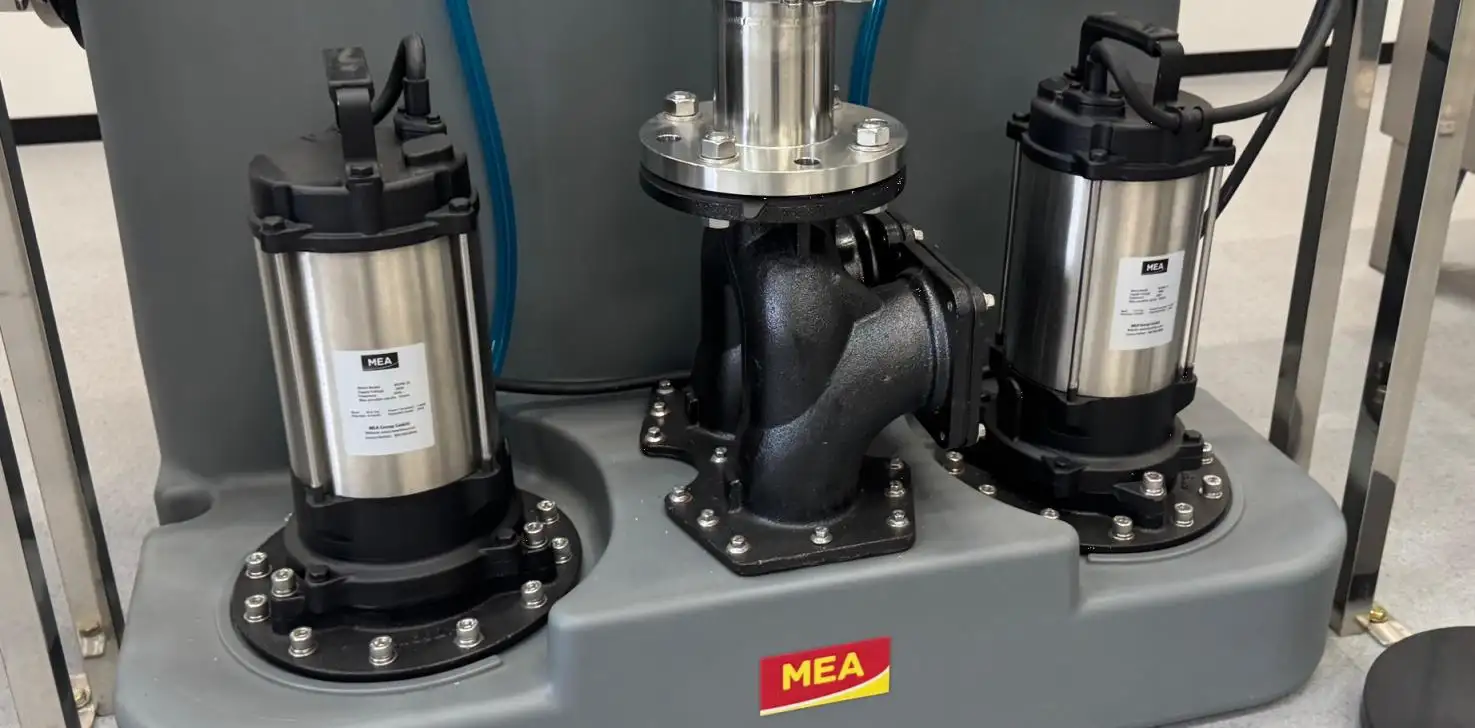
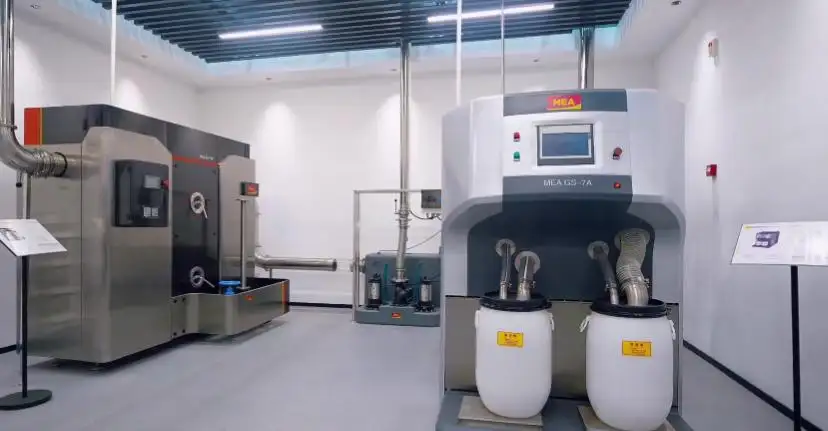

Plumbing and Drainage System Projects now play a far broader role in commercial and public construction than simple water collection. In current project planning, buyers are evaluating drainage in relation to safety, durability, hygiene, maintenance efficiency, and long-term operational continuity. From the CMSA perspective, this reflects a more practical procurement approach. In terminals, airports, fuel stations, retail properties, and public traffic zones, drainage affects not only how water is removed, but also how the site performs every day. The Hong Kong–Zhuhai–Macao Bridge, commissioned on October 24, 2018, is one clear example of this scale of infrastructure demand.
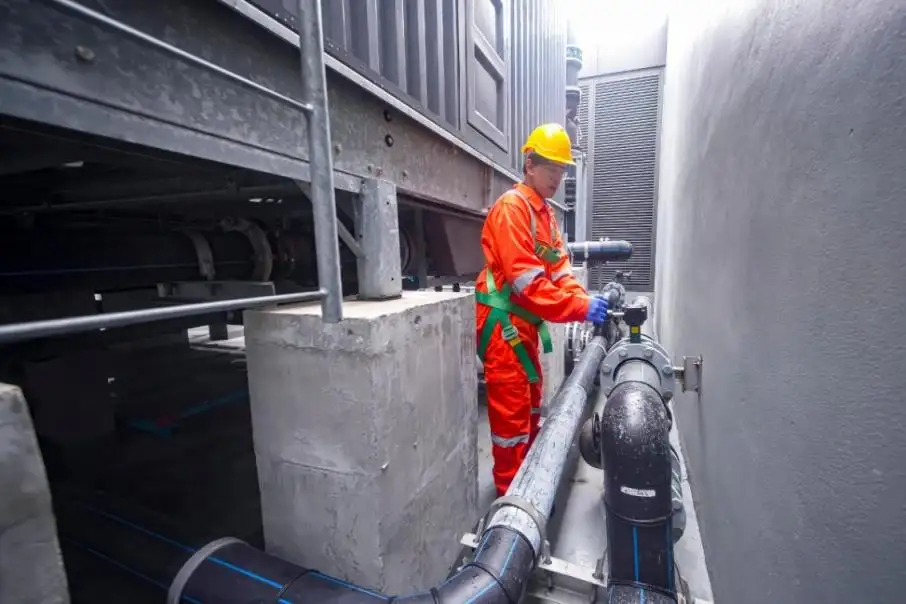
Why Early Planning Matters
In the past, drainage was often treated as a later-stage package. That approach is no longer suitable for modern Plumbing and Drainage System Projects. If drainage decisions are delayed, projects may face mismatched load classes, weak layout coordination, installation difficulties, and avoidable maintenance pressure after opening.
The Hong Kong–Zhuhai–Macao Bridge case shows why early planning matters. The terminal environment as one of Asia's busiest and most complex transport hubs, with daily passenger and vehicle movement exposed to heavy rainfall, storm surges, and unpredictable coastal weather. In a setting like this, drainage is not a finishing detail. It is part of operational protection.
For this reason, effective Plumbing and Drainage System Projects should begin with a clear understanding of how the site will actually function:
• Pedestrian areas need controlled surface drainage to reduce slip risk
• Transport corridors require stronger structural performance under traffic loading
• Commercial properties benefit from drainage systems that simplify installation and maintenance
• Public infrastructure needs long service life and reliable operation under repeated use
• Sensitive service environments require better cleanability and corrosion resistance
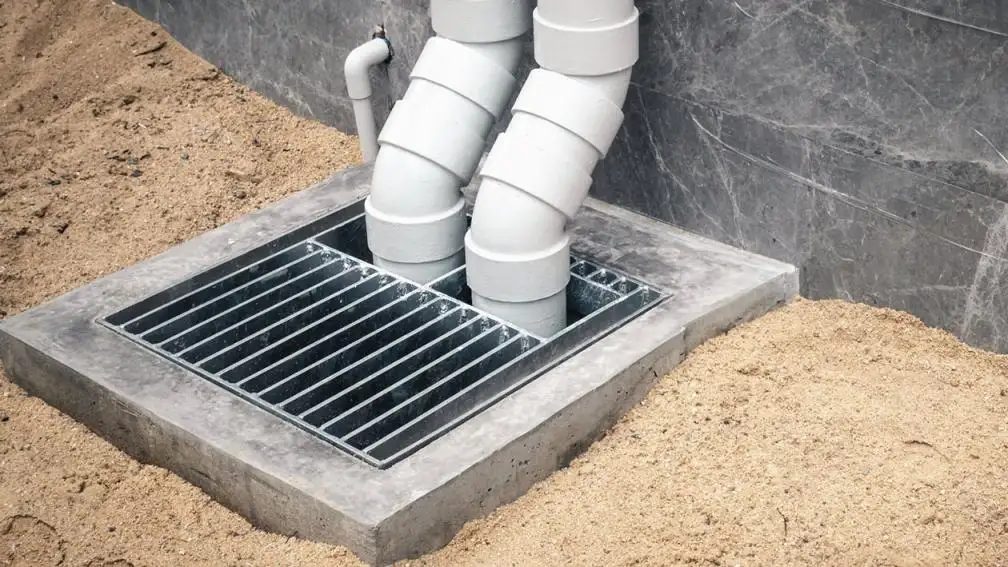
Different Sites Need Different Drainage Logic
One of the most important design principles is that no single drainage system suits every application. Commercial and public developments often combine multiple functional zones, each with different hydraulic and structural requirements.
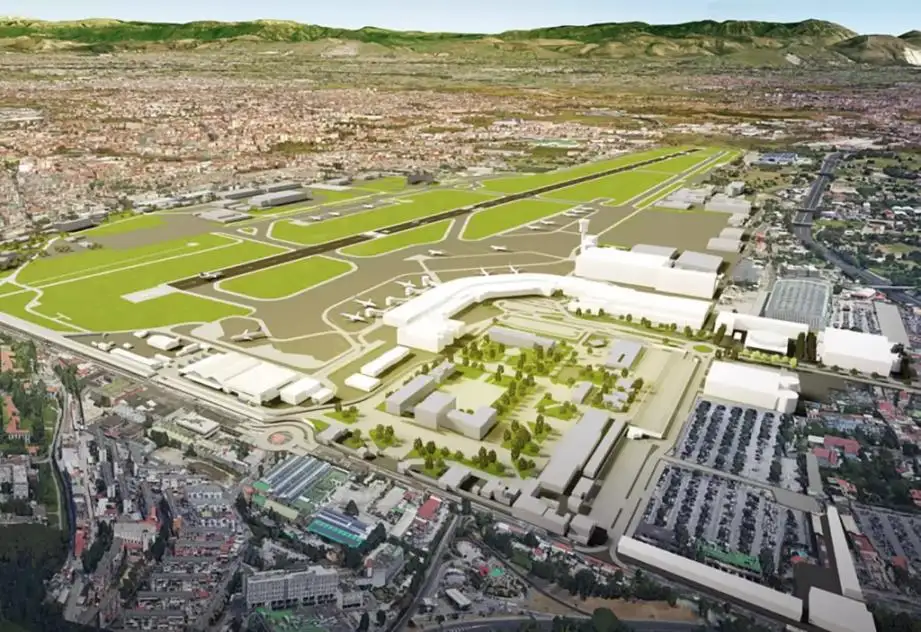
Airport Napoli is a great example of how important this is. Research on Italian airports shows that Napoli is one of the airports that is at risk from heavy rain. This means that the safety of runways, taxiways, and the airside is directly affected by how well they can drain water and how they get rid of it. Other airport projects have used drainage upgrades to get rid of standing water next to runways, which makes planes safer and keeps birds from being active. That is why airport drainage must be treated as part of infrastructure resilience rather than a minor utility line.
At CMSA, we see this same principle across broader Plumbing and Drainage System Projects:
• Standard linear drainage for general public walkways and landscaped areas
• Heavy-duty channels for transport routes and logistics zones
• Combined kerb-and-channel systems for road interfaces
• Narrow-slot drainage for architecturally sensitive spaces
• Dedicated parking and forecourt drainage for vehicle-based circulation areas
This project-based approach reduces overdesign, improves budget control, and aligns drainage performance with actual daily use.
Material Performance Must Match Service Conditions
Material choice has a direct effect on long-term performance. In many Plumbing and Drainage System Projects, polymer concrete has gained attention because it combines strength, lower handling weight, low water absorption, and smoother internal flow paths. These attributes are well suited to project environments where drainage must remain reliable despite ongoing operational stress. CMSA's published materials similarly emphasize polymer concrete systems for use in high-traffic applications and infrastructure construction.
This is especially significant in large transport projects such as the Hong Kong–Zhuhai–Macao Bridge, where drainage performance must remain dependable in a coastal and intensively used environment. In these cases, material selection influences ease of installation, efficiency of water conveyance, maintenance demands, and the long-term protection of project assets.
Fuel Station Projects Require Pollution Control, Not Only Water Removal
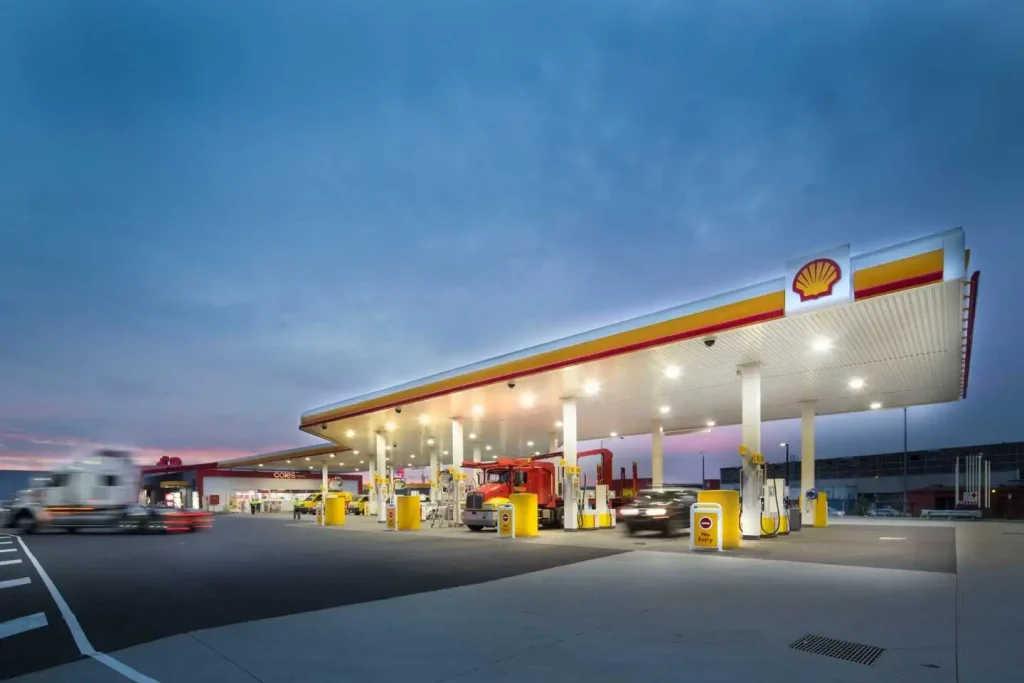
The Shell Fuel Station in Australia highlights another important category within Plumbing and Drainage System Projects. A fuel station forecourt is not judged only by how fast it removes rainwater. It must also manage runoff in a way that reduces contamination risk. Australian guidance for service stations states that stormwater systems must be designed and maintained so discharged runoff does not cause pollution, especially in areas exposed to hydrocarbons. Guidance for retail fuel outlets also stresses maintenance planning as part of stormwater system design.
This means that a fuel-station drainage solution should support:
• Fast and controlled removal of surface water from the forecourt
• Protection against pollutant migration in runoff-prone areas
• Reliable detailing at joints, outlets, and collection points
• Easy inspection and maintenance access
• Durable performance in chemically exposed service conditions
In practical terms, this is why forecourt drainage cannot be specified in the same way as drainage for a plaza, airport edge, or loading yard.
Better Results Depend On Technical Coordination
Even the right product can underperform if design and installation are not coordinated properly. Successful Plumbing and Drainage System Projects depend on alignment between hydraulic logic, site layout, product selection, and construction practice.
From the CMSA perspective, this is where technical support becomes important. Large transport assets such as the Hong Kong–Zhuhai–Macao Bridge, airport environments such as Napoli, and forecourt applications such as a Shell fuel station in Australia all show the same lesson: drainage works best when it is matched to the actual service condition of the site, not chosen as a generic catalog item.
Conclusion
The best Plumbing and Drainage System Projects for commercial and public use do not begin with a product list. They begin with a clear understanding of daily use, traffic demand, rainfall exposure, hygiene needs, and maintenance strategy. The Hong Kong–Zhuhai–Macao Bridge shows the need for drainage that protects major transport operations. The Airport Napoli case shows that rainfall resilience and airside safety must be planned for at an early stage. The Shell Fuel Station in Australia shows that controlling runoff and preventing pollution are equally important in forecourt applications. Together, these cases make it evident that drainage is no longer a secondary consideration. It is now a strategic component of project performance.


