
Construction Drainage For Heavy Load Applications: 2026 Design Basics
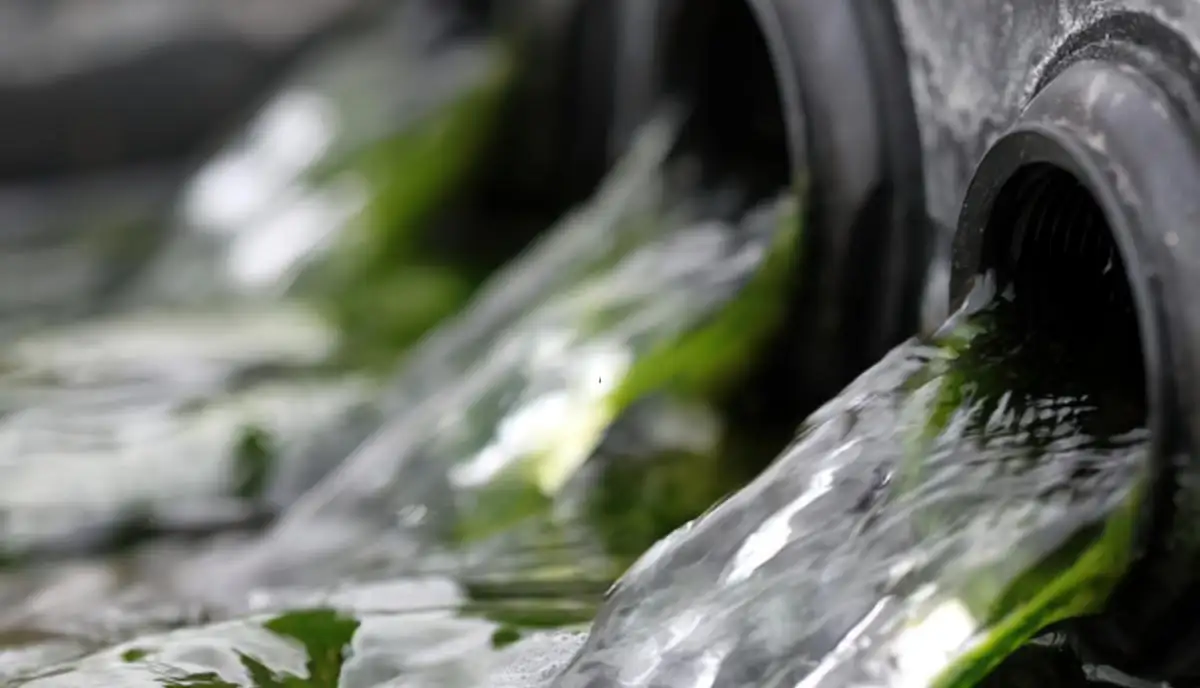
Construction Drainage For Heavy Load Applications is not "just a channel in the ground"—it is a structural decision that affects safety, uptime, and long-term maintenance in demanding sites.
1) What "Heavy Load" Really Means in Drainage Design
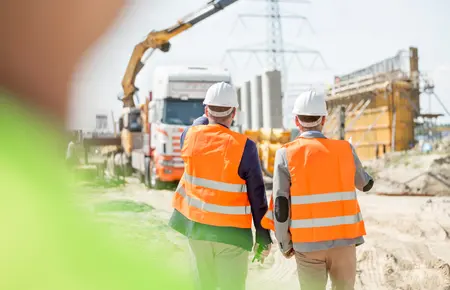
In 2026 projects, the most common mistake we see is treating drainage like a finishing detail. On heavy-load sites, drainage becomes part of the traffic structure. Forklifts, delivery trucks, and service vehicles do not only press down on the grate. They also transfer force into the channel body, the concrete surround, and the bedding below.
A practical way to define "heavy load" is by load class, not by guesswork. In many international specifications, EN 1433 is used to classify linear drainage channels from A15 up to F900, based on test load in kN.
For heavy-duty traffic zones, designers typically focus on D400 (400 kN), E600 (600 kN), and F900 (900 kN).
At CMSA, we recommend treating load class as the starting point, then designing the entire drainage "assembly" around it.
2) Load Classes First: Match the Rating to the Real Traffic
Load class is not a marketing label. It is your risk control tool. If you under-spec, grates can crack, frames can rock, and the concrete edge can spall. If you over-spec, you may overspend where you do not need to.
Here is a simple, beginner-friendly mapping you can use as a first filter:
- D400: main roads, high-traffic vehicle areas, loading lanes (heavy-duty)
- E600: industrial yards, loading bays, cargo handling (very heavy duty)
- F900: ports, airports, docks, extreme wheel loads (highest class)
CMSA's TopSlot system has been tested by national third-party testing institutions, and its bearing grade can reach Class D400, making it suitable for heavy-load conditions in public-facing environments.
What this means for your design workflow is straightforward:
- Choose the load class first, based on real traffic, not assumptions
- Design the channel + frame + surrounding concrete as one assembly
- Protect the edges, because edge failure often happens before the channel body fails
When Construction Drainage For Heavy Load Applications are built around a defined load class, the drainage line becomes stable. Stability reduces rocking. Reduced rocking protects concrete edges and keeps the system quiet and safe over time.
3) The Hidden Failure Point: Frame Support and Concrete Shoulder
When Construction Drainage For Heavy Load Applications fail, it is often not because the channel "could not drain." It is because the frame and surrounding concrete were not designed as a load-bearing edge.
Think of the grate and frame like a bridge deck. If the concrete shoulder is weak, wheels create micro-movement. Micro-movement becomes noise, cracking, and eventually broken corners. The fix is not "a stronger grate only." The fix is a stronger system detail.
At CMSA, we emphasize three system-level basics:
- A frame design that distributes load into the concrete, not into thin edges
- A channel body that resists deformation under repeated wheel passes
- A concrete surround detail that prevents rocking and corner spall
This is why you will often see heavy-load specifications calling for reinforced concrete encasement and well-defined installation geometry. Even the best channel will fail if it sits in weak bedding or if compaction is inconsistent.

4) Hydraulic Basics: Flow Capacity Is Not Optional on Heavy Sites
Heavy-load zones often have a second challenge: fast runoff. Large pavement areas shed water quickly, and heavy traffic cannot tolerate ponding. Even small puddles can increase braking distance and hide surface defects.
So, while load class protects the structure, you still need basic hydraulic logic:
- Capture water early (before it spreads across traffic paths)
- Keep the channel line "continuous" where possible, to reduce isolated low spots
- Plan maintenance access so debris removal does not become a shutdown event
Slope Still Matters, Even With "High Capacity" Channels
Some designers assume a heavy-duty channel will "pull" water regardless of slope. In reality, slope helps keep flow stable and reduces sediment buildup. As one roadway drainage guideline notes for open carriers, a minimum slope of 0.50% is used with an absolute minimum of 0.25% in certain conditions.
Your exact slope target depends on layout and site constraints, but the principle is consistent: heavy-load drainage should move water predictably, not "eventually."
5) Material Selection: Why Stainless Steel (304 Or 316L) Makes Sense
In Construction Drainage For Heavy Load Applications, choosing stainless steel is not only about corrosion resistance. It is also about keeping the drainage system stable, easy to maintain, and consistent under long-term site abuse. Heavy-duty zones often combine traffic vibration with frequent washdown. If the material cannot hold its shape and connection points over time, small movement can turn into noise, rocking, and edge damage.
A practical stainless-steel selection mindset looks like this:
- 304 Stainless Steel for most industrial environments where water exposure and routine cleaning are present, but chlorides are limited
- 316L Stainless Steel for coastal sites, de-icing salt exposure, chemical washdown, or chloride-rich environments where pitting risk is higher
- Stainless Steel Frames And Grates when you want reliable strength, clean edges, and repeatable fit-up—especially in areas that require hygienic cleaning or frequent access
The goal is still the same: maintain alignment and reduce micro-movement. A stable stainless-steel grate and frame system helps keep the channel "quiet and stable" after thousands of wheel passes, while also improving cleanability and long-term appearance—two benefits that become more valuable as a facility ages.
6) CMSA TopSlot for Heavy Load Applications: Stable Flow Under Real Traffic
CMSA TopSlot is designed for Construction Drainage For Heavy Load Applications where drainage must stay reliable under repeated wheel loads, vibration, and daily site abuse—while still keeping water capture efficient. In heavy-load zones, the challenge is not only how fast water enters the system, but also whether the drainage line stays stable, aligned, and serviceable after thousands of passes from forklifts, maintenance vehicles, and delivery trucks.
TopSlot is a practical fit for heavy-use hardscape and industrial-adjacent areas such as service lanes, loading approaches, access roads around buildings, plant walkways with occasional vehicle entry, and paved zones where equipment traffic is expected. These environments need fast drainage to reduce ponding and slip risk, but they also need a system that will not loosen, rock, or damage surrounding concrete over time.
Instead of relying on wide grate openings that can deform, trap debris, or create maintenance hotspots, TopSlot focuses on controlled surface capture and stable long-term operation:
- Excellent drainage capacity for fast surface water removal in high-traffic zones
- Self-cleaning flow behavior to reduce sediment buildup where cleaning windows are limited
- Supports hard pavements with a neat interface that helps protect pavement edges under load
- Low-profile, clean surface line that reduces trip risk and supports smoother vehicle crossing
For Construction Drainage For Heavy Load Applications, self-cleaning is not a marketing term. It is a workload reducer. When sediment and debris do not accumulate quickly, drainage performance stays consistent, inspections are faster, and facilities spend less time on emergency clearing—especially in areas where shutting down traffic for maintenance is expensive.

7) CMSA Advantages Vs Traditional Heavy-Load Construction Drainage
• System-Level Load Performance, Not "Grate-Only Strength"
Traditional heavy-load drains often focus on a thicker grate, while the weak point becomes the frame support, channel stiffness, or concrete edge. CMSA designs the drainage line as a complete load-bearing assembly.
✓ Benefit to you: less rocking, fewer cracked edges, and lower long-term repair risk.
• Verified High Load Capacity Up To Class D400
Many conventional options rely on site experience or "rule-of-thumb" selection, which can lead to inconsistent performance. CMSA TopSlot has been tested by national third-party institutions, and its load class can reach D400.
✓ Benefit to you: clearer specification, smoother inspection/acceptance, and better risk control on heavy-use sites.
• Self-Cleaning Flow That Reduces Blockage In Busy Traffic Zones
Open-grate trench drains can collect sand, gravel, and debris—especially where heavy traffic brings dirt onto the pavement. CMSA TopSlot emphasizes self-cleaning behavior to reduce sediment hold-up.
✓ Benefit to you: fewer clogs, fewer emergency clean-outs, and more stable drainage performance over time.
• Cleaner Surface Line For Safer Crossing And Better Traffic Comfort
Traditional grates with wide openings and uneven surfaces may increase vibration, noise, and trip risk. TopSlot keeps the interface clean and preserves inlet efficiency.
✓ Benefit to you: smoother vehicle crossing, reduced noise, and improved pedestrian safety in mixed-use heavy-load areas.
• Better Compatibility With Hard Pavements And Neater Edge Finishing
Heavy-load drainage often fails visually and structurally at the pavement interface. CMSA TopSlot is designed to work with different hard pavement materials and maintain a tidy, modern finish.
✓ Benefit to you: fewer weak edges, cleaner lines, and a more "architectural" final look without sacrificing performance.
• Stainless Steel Options (304 Or 316L) For Hygiene And Corrosion Resistance
Traditional heavy-load systems may use standard steel components that age fast under frequent washdown, salt exposure, or harsh cleaning. CMSA offers 304 or 316L stainless steel options where durability and hygiene matter.
✓ Benefit to you: longer service life, easier cleaning, and better appearance retention in demanding environments.
Professional Engineering Support From Design to Construction
Many projects struggle because drainage is installed without solid hydraulic logic, layout planning, or site guidance. CMSA provides technical support that traditional supply-only options often cannot match:
- Drainage calculation reports and hydraulic verification
- Product selection and solution design with layout plans and detailed drawings
- BIM family library and technical assistance
- Pre-start installation training and on-site guidance
- Site inspections during construction and acceptance support
- Benefit to you: fewer design changes, less rework, and a faster path from plan to handover.
One Solution Philosophy For "Public-Facing" Heavy-Load Areas
Traditional heavy-load drains can feel industrial and maintenance-heavy, especially in plazas, building perimeters, and landscaped hardscape zones. CMSA TopSlot balances load performance + clean appearance + maintenance efficiency.
✓ Benefit to you: consistent specification across multiple site zones, simpler procurement, and easier long-term facility management.
8) Engineering Support That Prevents Costly Rework
A drainage product alone does not guarantee performance. The performance comes from how it is calculated, selected, laid out, and installed. CMSA provides professional drainage technology support to help projects move smoothly from design to construction.
Our support commonly includes:
- Drainage calculation using professional software and hydraulic calculation reports
- Product selection based on project type, load class, drainage capacity, and maintenance needs
- Solution design with layout plans and detailed product drawings
- BIM application support, including a product family library and technical assistance
- Installation guidance, including on-site training before project start
- Construction inspections, with regular site checks to protect quality
- Completion support, assisting with inspection and acceptance after installation
CTA — Let CMSA Review Your Heavy-Load Drainage Layout
If you are planning Construction Drainage For Heavy Load Applications for a 2026 project, CMSA can help you choose the right load class, recommend a system structure, and suggest practical installation details for your traffic and washdown reality. Send us your site plan, traffic notes, and target load class, and we will propose a drainage configuration that balances strength, flow, and maintainability—before problems appear on-site.


