
How A Sewage Lift Station Works: Drainage Flow Explained
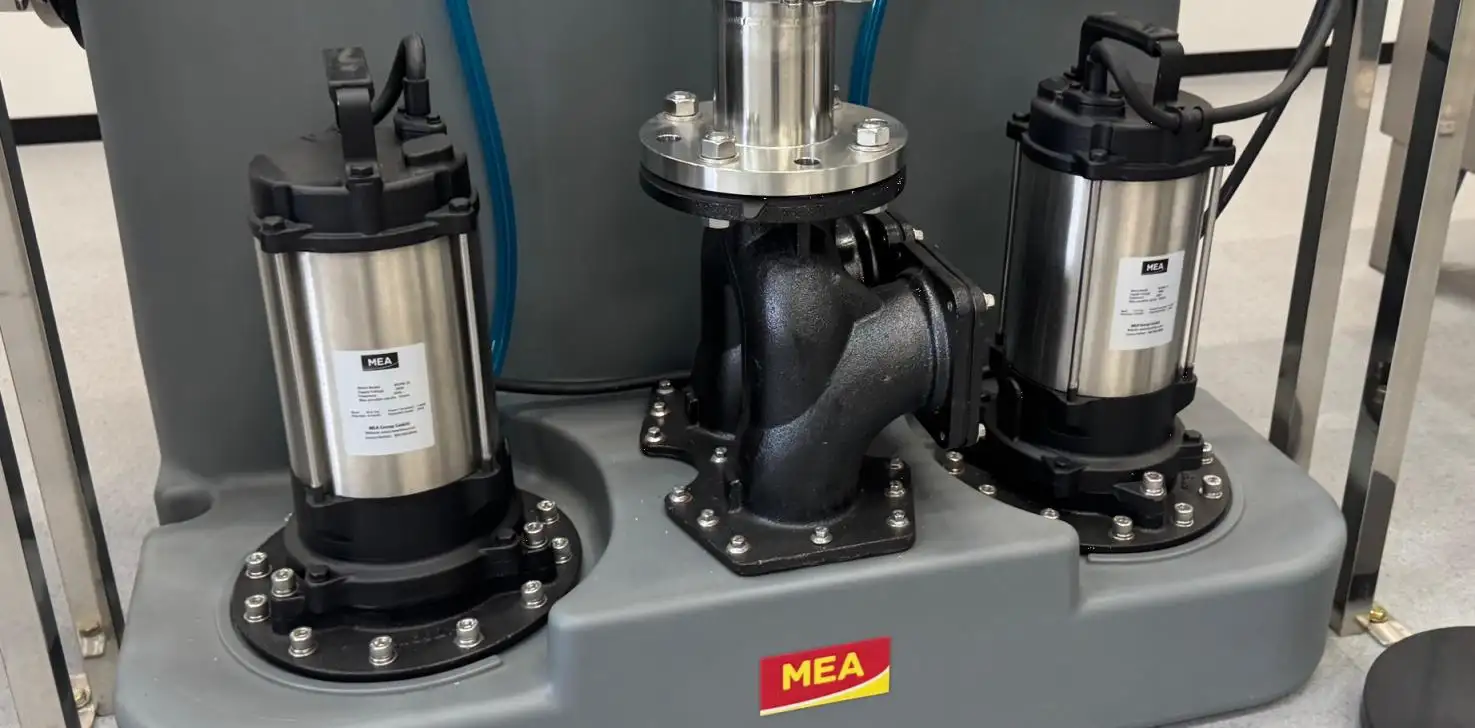
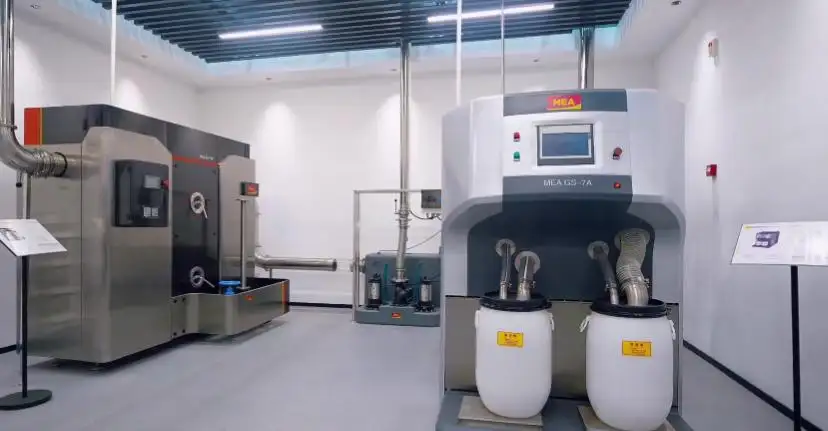
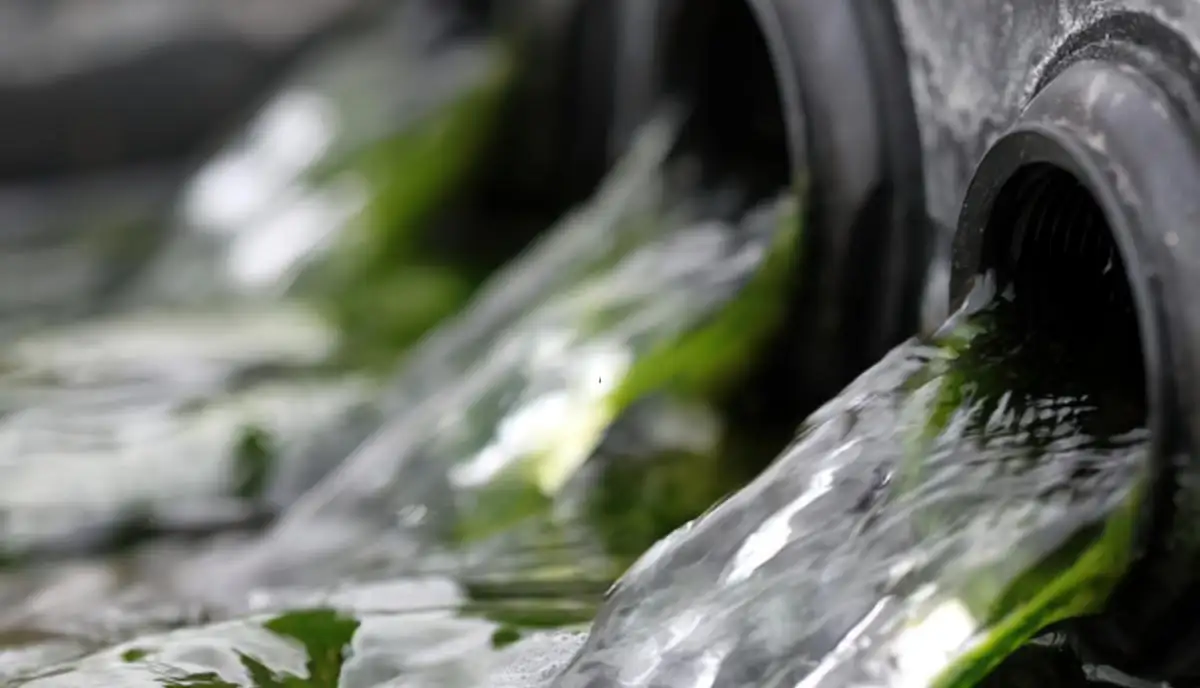
Sewage Lifts Station systems keep wastewater moving when gravity alone cannot do the job. At CMSA, we build drainage and collection components that help lift stations run cleanly, safely, and predictably—especially in construction environments where flow conditions change from week to week.
1) The Simple Purpose of a Sewage Lifts Station
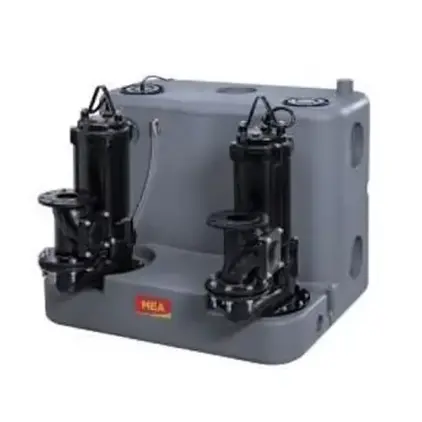
A Sewage Lift Station is a controlled "handoff point" in a drainage network. Wastewater enters a buried basin (often called a wet well). When the level reaches a set point, pumps push the flow into a pressurized pipeline (a force main) and send it to the next gravity manhole or treatment line.
This is why lift stations matter in construction drainage. Sites are rarely flat. Utilities must cross roads, foundations, and low spots. If you rely on gravity everywhere, you may end up with very deep trenches, higher excavation risk, and higher costs. A Sewage Lift Station creates a practical elevation reset. It lifts the flow up and lets the rest of the system return to gravity where possible.
2) From Inlet to Wet Well: Where Flow Gets "Buffered"
The wet well is the station's buffer. It receives incoming wastewater, holds it briefly, and protects the pumps from constant on/off cycling. In real projects, inflow is not steady. It spikes during washdown, storm events, and commissioning phases.
A good wet well layout also reduces maintenance headaches. The goal is to guide solids toward the pump intake, not let them settle in dead corners. In construction drainage, grit and debris are common, so inlet direction, benching, and access for cleaning should be considered early.
✓Key wet well features that protect daily operation
✓Smooth internal surfaces that are easy to rinse
✓Clear access points for inspection and cleaning
✓Level control hardware mounted to avoid snagging rags and debris
3) How Pumps and Controls Do the Real Work
Most small to mid-sized Sewage Lift Station designs use a duplex pump arrangement: two pumps with a lead/lag sequence. One pump runs first (lead). The second pump starts when inflow rises or when extra capacity is needed (lag). This approach improves reliability because the station can keep operating if one pump is down.
Controls are the "brain." They read wet well level and decide when to start or stop pumps. Level sensing can be done with floats, pressure transducers, or non-contact ultrasonic sensors. Each option has tradeoffs. Floats are simple and widely used. Ultrasonic sensors can be very clean and convenient, but they need a clear line of sight and thoughtful placement to avoid false readings from pipes and structures.
Lead/Lag Logic in Plain English
The simplest way to explain it is rotation and backup. Rotation helps both pumps share wear over time. Backup reduces downtime risk.
✓What lead/lag control usually achieves
✓More stable service life through alternating duty
✓Redundancy if one pump fails or needs service
✓Better handling of peak inflow without oversizing one pump
4) Force Main Flow: The "Rules of Motion" After the Lift
Once the pumps start, the station pushes wastewater into a force main. This is where many beginners get confused: gravity is no longer the driver. Velocity and pressure are.
Across many municipal standards, a common target is to keep force main velocity high enough to scour solids, but not so high that it creates excessive surge, noise, and wear. You will often see guidance such as a minimum of about 2 ft/s for self-scouring and a practical upper limit around 8 ft/s in typical force main operation.
Some standards also call for a "normal operating" band such as 3–5 ft/s, because it balances cleaning action with energy use.
Why Velocity Targets Matter in Construction Drainage
Construction drainage is often temporary, phased, or partially loaded. If the pipeline is oversized "just in case," velocities may drop too low during early phases. That can increase settling and odor risk. If the pipe is undersized, velocities can become too high at peak flow, increasing friction losses and surge stress.
At CMSA, we often help teams think in a simple sequence:
•Define realistic near-term and buildout flows,
•Size for scouring velocity at expected operating conditions, and
•Check pump curves so operating points stay in a stable range.
5) Odor, Venting, and the Small Details That Prevent Big Problems
Many lift station complaints are not about "capacity." They are about odor, air binding, and maintenance frequency. Air in a force main can reduce pumping efficiency and cause uneven flow. That is why many design rules call for air relief at high points, along with practical maintenance access.
Inside the station, odor control starts with predictable wet well behavior. Long retention times, heavy debris loading, and poor cleaning access all increase odor risk. In construction drainage, conditions can change week to week, so a station that is easy to inspect and wash down is a real operational advantage.
✓Practical habits that reduce odor and clogs
✓Keep level sensing reliable and easy to service
✓Avoid dead zones in wet well geometry (where solids park)
✓Plan access for cleaning tools and safe entry procedures
6) How to Choose the Right Drainage System for Lift Station Sites
Selecting drainage near a Sewage Lift Station is not only a product decision. It is a risk decision. The wrong load class, low drainage capacity, or high maintenance requirement can create daily operational friction that never shows up on a drawing set.
Decide with outcome alignment:
•Factors that change performance
•Load class: traffic profile and access (D400 in heavy-duty areas)
•Capacity: rainfall and washdown requirements
•Environment: corrosion sources and hygiene demands
•Maintenance: ease of cleaning, inspection schedule
•Materials & compliance: certifications and code fit
Materials matter—select for duty, hygiene, and compliance. For durability and hygiene, stainless steel (304 or 316L) is widely used where corrosion resistance and cleanability matter. Polymer concrete is also valued for durability and wear resistance in demanding environments. Modular drainage designs are often preferred because they speed installation, simplify maintenance, and allow layout adjustments when site conditions change.
7) How CMSA TopSlot Self-Cleaning and High Drainage Capacity Help
In urban construction drainage, maintenance time is expensive. A drain that clogs easily becomes a recurring cost, not a one-time installation. CMSA TopSlot drainage is positioned for strong drainage capacity and a self-cleaning style of flow. In practical terms, "self-cleaning" is not a marketing word. It means the slot geometry and internal channel profile encourage water to carry fine debris along, rather than letting it settle and form sludge pockets.
TopSlot systems are also compatible with different hard pavement materials and maintain a simple, clean appearance. That compatibility helps projects avoid awkward transitions in stone, tile, or concrete finishes.
Why D400 Is A Practical Threshold
Around many Sewage Lift Station locations, heavy vehicles eventually appear—maintenance trucks, jetting units, vacuum tankers, and emergency service equipment. CMSA's TopSlot solutions have been tested by national third-party testing institutions with a bearing grade that can reach Class D400. For the reader, the key takeaway is not the label. It is the outcome: the drainage line can be specified for environments where heavy loads are realistic, not hypothetical.
✓What customers gain from a D400-rated drainage line
✓Confidence for service vehicle access routes
✓Lower risk of cracked grates and edge failures
✓More stable performance over the site's life cycle
8) CMSA Technology Support: From Calculation to Installation Success
A well-chosen drainage product can still fail if it is placed incorrectly or sized without real hydraulic thinking. That is why CMSA provides professional drainage technology support that follows the project from design to construction.
Our support is built to reduce uncertainty for the owner, the designer, and the contractor:
•Solution Support That Reduces Rework
✓Drainage calculations using professional software and hydraulic calculation reports
✓Product selection aligned with project requirements and maintenance goals
✓Drainage solution layouts, plans, and detailed product drawings
•BIM Support That Improves Coordination
✓Product family library with expert technical assistance to reduce clashes and site changes
•Installation Guidance That Protects Quality
✓On-site installation and construction training before project start
✓Regular site inspections during construction to maintain standards
✓Assistance with inspection and acceptance after completion
CTA (Next Step): If you want a fast, practical review, send CMSA your basic site layout (inlet elevations, expected peak flow, and force main length). We will help you check whether your Sewage Lift Station flow logic supports scouring velocities, stable controls, and cleaner maintenance—before small issues become recurring service calls.


