
Grating Designs for Architects for Modern Commercial Buildings
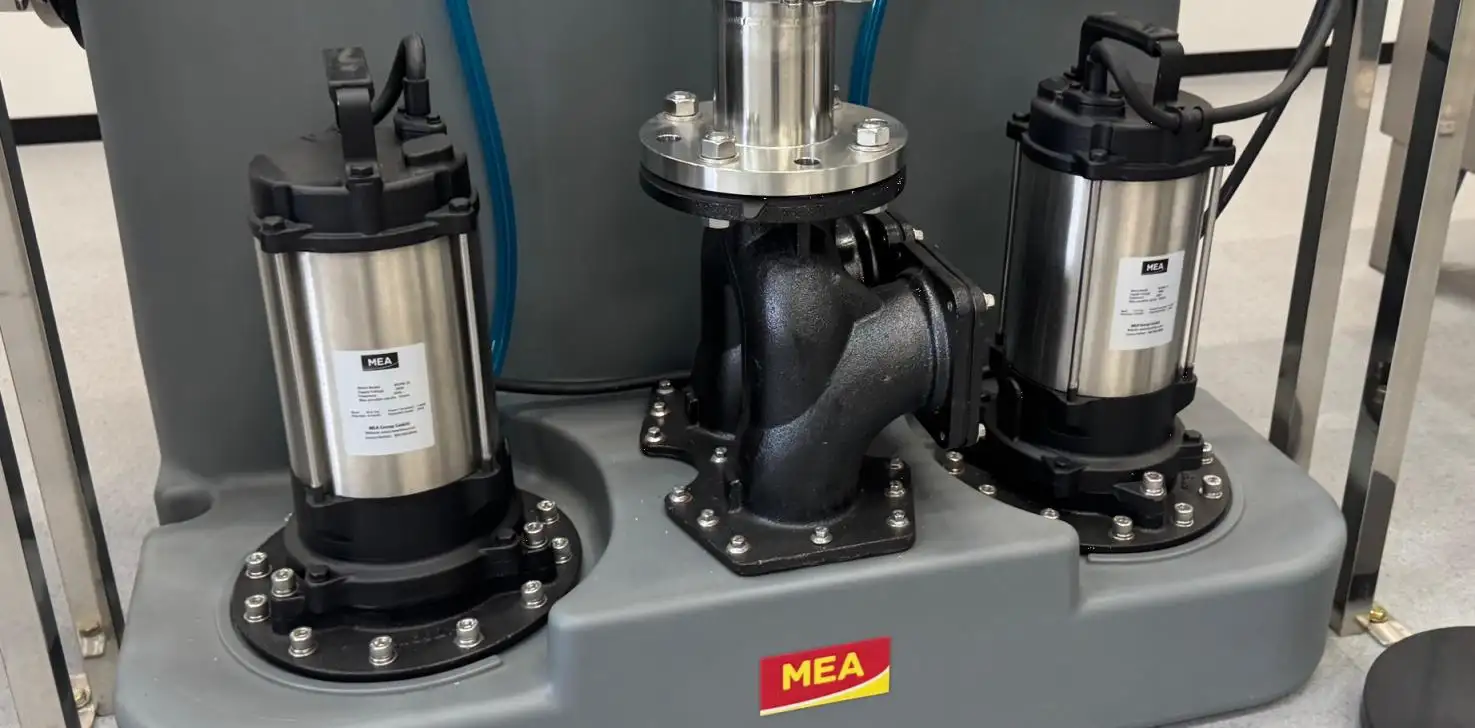
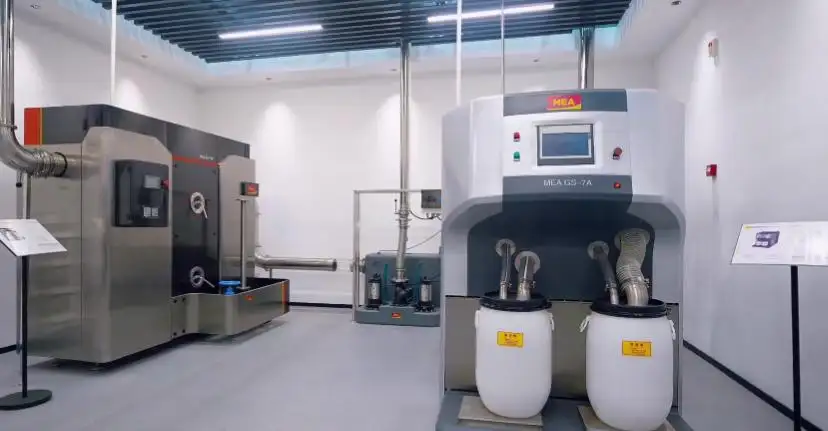

Drainage grates may appear to be minor building components, but they directly influence drainage efficiency, pedestrian safety, cleaning access, load performance, and the visual continuity of a commercial space. In entrances, plazas, kitchens, terraces, parking areas, and public washrooms, an unsuitable grate can cause ponding, maintenance problems, or conflicts with surrounding finishes.
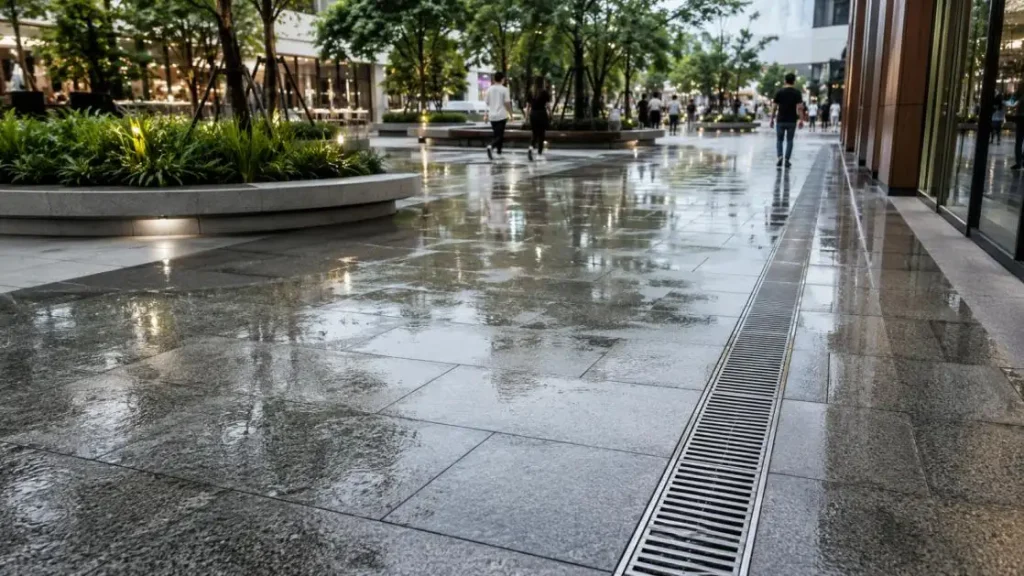
Consequently, Grating Designs for Architects must be integrated with the overall design of floors, landscapes, facades, and drainage solutions, rather than being addressed independently.
What are Grating Designs for Architects?
Grating Designs for Architects involves the selection and incorporation of drainage grates, with respect to:
• Architectural appearance
• Hydraulic performance
• Slip resistance
• Hygiene
• Durability of materials
• Loading characteristics
• Maintenance
• Finish of surrounding floors
In contemporary commercial architecture, drainage grates are usually found in shopping centers, hotels, commercial kitchens, public restrooms, landscaped plazas, roofs, terraces, parking areas, pedestrian walkways, loading areas, and the entrances of buildings.
The design solution must achieve the required drainage while being consistent with the architectural character and the intended use of the space.
Important Considerations for Grating Design in Commercial Applications
There are numerous interrelated factors that an architect and drainage consultant need to consider when deciding on a grate.
| Design Factor | What to Evaluate | Project Impact |
| Hydraulic Capacity | Open area, slot width and expected flow | Reduces ponding and overflow risk |
| Load Resistance | Pedestrian, trolley, bicycle or vehicle traffic | Prevents deformation and premature damage |
| Slip Resistance | Surface texture and wet-area performance | Improves public safety |
| Material | Stainless steel grade and environmental exposure | Affects corrosion resistance and service life |
| Hygiene | Cleaning access, residue traps and surface finish | Supports sanitary maintenance |
| Visual Integration | Pattern, width, finish and floor material | Maintains architectural consistency |
| Maintenance Access | Removability and channel accessibility | Simplifies inspection and cleaning |
A design principle is that a visually minimal grate may not provide sufficient flow, and a high-open area design may not be ideal for certain pedestrian zones. Effective Grating Designs for Architects illustrates several examples of how to manage these design tradeoffs.
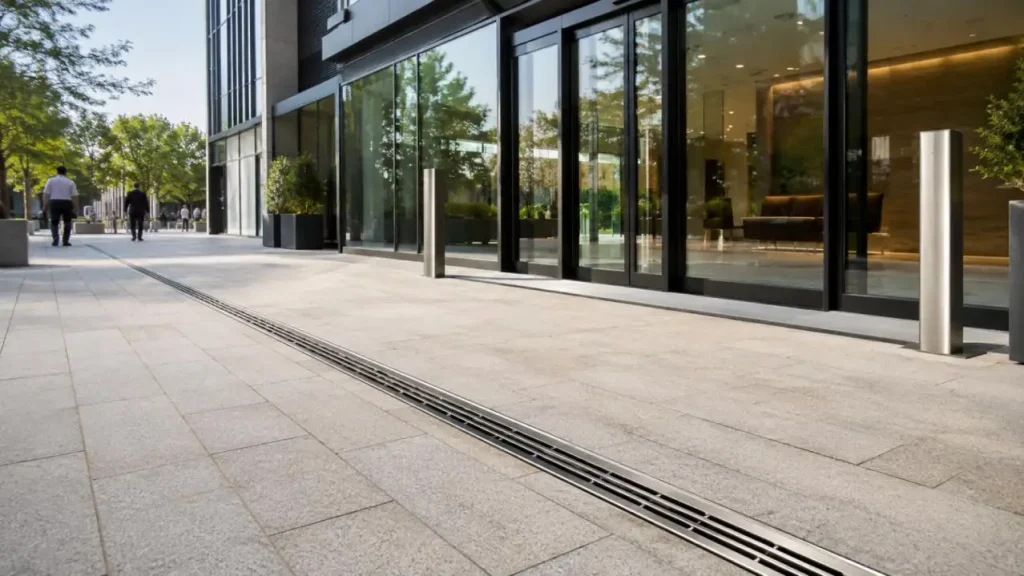
Stainless Steel 304 or 316L?
Stainless steel offers durability, ease of cleaning, and design adaptability. Stainless steel fulfills the majority of the needs for the components of a commercial drainage system.
Stainless Steel 304
304 stainless steel is a good choice for:
• Indoor public spaces
• Commercial kitchens
• Washrooms
• Building entrances
• Low salt exposure areas
This grade offers a good value as it balances moderate corrosion resistance with a low price.
Stainless Steel 316L
316L stainless steel is a good choice for:
• Coastal areas
• Surrounding swimming pools
• Outdoor, high-traffic areas
• Cleaning exposed areas
• Areas where cleaning products contain chlorides
• Landscape spaces
Material selection must be based on the exposure to moisture and chlorides as well as cleaning chemicals and the environment rather than on design.
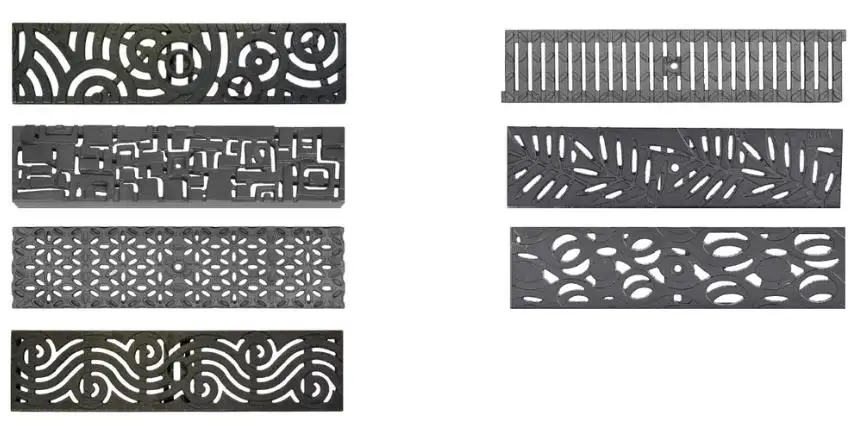
Surfaces and Architectural Design
Hygiene, durability and reflectivity can be integrated with design as can the other materials of the building.
Passivation treatment stabilizes stainless steel and removes fabrication impurities.
Electropolishing enhances surface smoothness and minimizes surface irregularities, thus simplifying the cleaning process for the grate. This polishing technique is effective for hygienic applications.
Sandblasting eliminates surface irregularities while creating a matte surface that reduces glare and enhances the aesthetic of brushed metal and other textured surface finishes.
The treatment option must address the required level of corrosion and cleanability, as well as fit the design context of the entitled project.
Typical Grating Designs for Architects
Different grate designs affect various aspects of hydraulic design, sanitary design, aesthetic design, and structural design.
| Grating Type | Design Characteristics | Typical Applications |
| Ladder Grate | An array of bars with drainage openings | Entrance vestibules, circulation spaces, and mechanical rooms |
| Mesh Grate | Grid design with high open area | Service spaces and perimeter drainage |
| Wedge Mesh Grate | Wedge shaped bars with openings for drainage and surface support | Wet zones and other sanitary spaces |
| Slot Grate | Narrow openings with virtually no blockage to sight | Commercial hotel lobbies, malls and minimalistic design spaces |
| Hygienic Ladder Grate | An array of bars with a design to minimize the accumulation of dirt | Commercial food service spaces and other sanitary spaces |
| Custom Grate | Pattern, dimensions, openings, and finish that can be easily adjusted | Projects that require design branding or are architecturally sensitive |
Different Grating Designs for Architects offer varying degrees of drainage, aesthetics, slip resistance, sanitary design, and maintenance access.
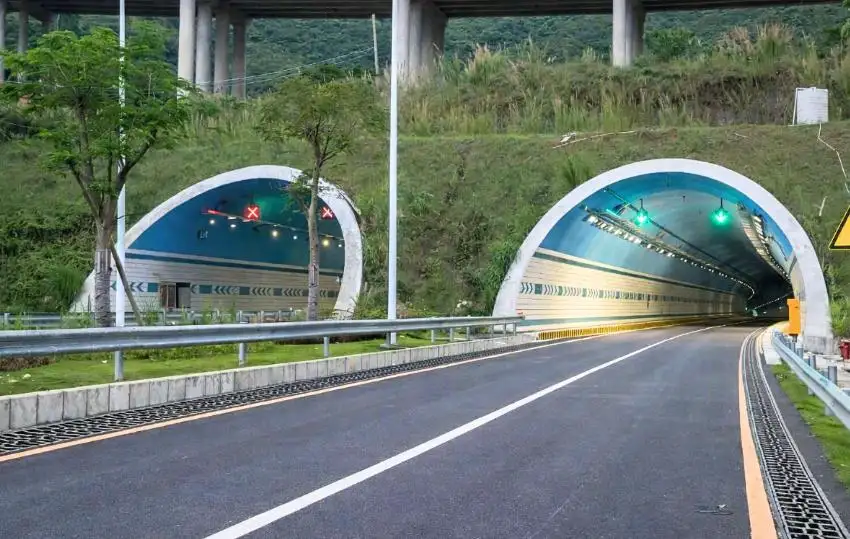
Indoor and Outdoor Requirements
Indoor commercial spaces normally prioritize hygiene, small openings, slip resistance, cleaning access, and accurate integration with tile or stone finishes. The grate and channel should also comply with applicable internal building drainage requirements.
Outdoor applications require additional consideration of:
• Rainfall intensity
• Pedestrian and vehicle loading
• Temperature variation
• Debris and leaf accumulation
• Corrosion exposure
• Channel load classification
An indoor grate should not automatically be specified for a vehicle-accessible outdoor area simply because the dimensions appear suitable.
EN 1253 and EN 1433 Considerations
EN 1253 applies to gullies and drainage components used inside buildings, including washrooms, kitchens, plant rooms, and other internal wet areas.
EN 1433 describes linear drainage systems for pedestrian and road traffic applications in plazas, parking areas, entrances, service roads, and similar applications.
The architect is responsible for checking applicable standards and determining system hydraulic capacity, permissible installation locations, load classes, and drainage regulations.
Integrating Grates with Architectural Finishes
Successful Grating Designs for Architects require early coordination with architectural and MEP drawings/plans.
Main coordination elements include:
• Grate alignment with tiled surface modules or with joints between stones
• Grate elevation matching finished floor elevation
• No obstructions to doors or circulation pathways
• Alignment of drainage channels with façade lines and landscape lines
• Use of slot grates if a line of sight is to be maintained
Grading design requires the establishment of a layout prior to the completion of floor finish and the fixing of drainage outlets. Late layout designs often require custom work and result in elevation discrepancies and unsightly joints.
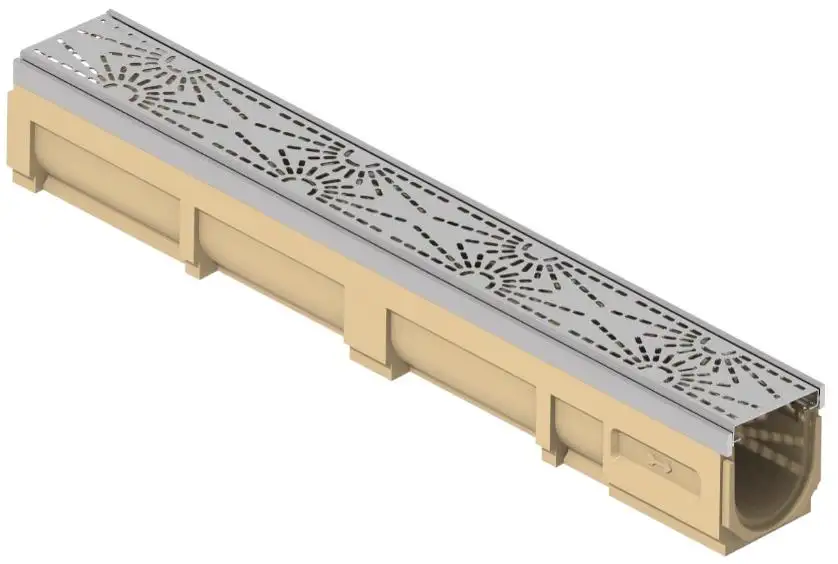
Common Grating Design Mistakes
Frequent specification problems include:
• Prioritizing appearance over drainage capacity
• Failing to confirm pedestrian or vehicle loading
• Selecting openings unsuitable for heels, wheels, or accessible routes
• Using the wrong stainless steel grade
• Providing insufficient cleaning access
• Misaligning the grate with floor joints
• Installing an internal grate in an outdoor traffic area
These issues can be reduced through early hydraulic, architectural, and structural coordination.
CMSA Stainless Steel Grating Solutions
CMSA supplies MEA® stainless steel grates for indoor and outdoor drainage applications. Available designs include ladder, mesh, wedge mesh, slot, hygienic ladder, and customized grates.
| Item | Reference Specification |
| Standard width | 200 mm |
| Standard length | 500 mm |
| Material | Stainless steel 304 or 316L |
| Surface options | Passivation, electropolishing or sandblasting |
| Indoor applications | Products designed to comply with EN 1253 |
| Outdoor applications | Products designed to comply with EN 1433 |
| Customization | Dimensions, pattern, finish and project details |
The final configuration should always be verified against the required load, drainage flow, environment, and installation conditions.
CMSA also supports project teams with hydraulic calculations, product selection, drainage layouts, technical drawings, BIM resources, and installation guidance. This allows grate selection to be coordinated from the design stage through construction and final inspection.
Selecting Grating Designs for Long-Term Performance
Reliable Grating Designs for Architects balance architectural appearance with hydraulic capacity, slip resistance, hygiene, corrosion resistance, load performance, maintenance access, and standards compliance.
CMSA supports architects and project teams with MEA® stainless steel grate selection, drainage calculations, BIM resources, layout development, and installation guidance. Share the application environment, floor finish, expected loading, and drainage requirements to develop a practical solution for your commercial project.
FAQs
Q1. What are the CMSA drainage solutions for commercial buildings?
CMSA’s drainage solutions for commercial applications include its MEA® stainless steel drainage grates. These are available for both indoor and outdoor use in configurations including ladder, mesh, wedge mesh, slot, hygienic ladder, and specially designed grating.
Q2. What options does CMSA have for stainless steel grates?
CMSA’s grates come in either stainless steel 304 or stainless steel 316L. The selection of either grade depends on the humidity, exposure to chloride, the cleaning agents, the risk of corrosion, and the conditions of the installation.
Q3. Where should architects use stainless steel 316L grates?
For coastal applications, pool areas, and other high humidity or outdoor areas, and where cleaning agents contain chlorine, stainless steel 316L is typically recommended.
Q4. What are the available surface finishes for MEA® grates?
Surface finishes of MEA® grates include passivation, electropolishing and sandblasting. These can enhance the ease of cleaning and the architectural finish of the grates, and further improve corrosion resistance.
Q5. Do CMSA grates meet current drainage standards?
CMSA's indoor grating products are designed to meet the building drainage standard of EN 1253. Grates for outdoor drainage are designed to meet EN 1433 standard for pedestrian and traffic areas.


