
Grease Trap for Hospitality: Automatic Sludge Removal and Self-Cleaning Technology
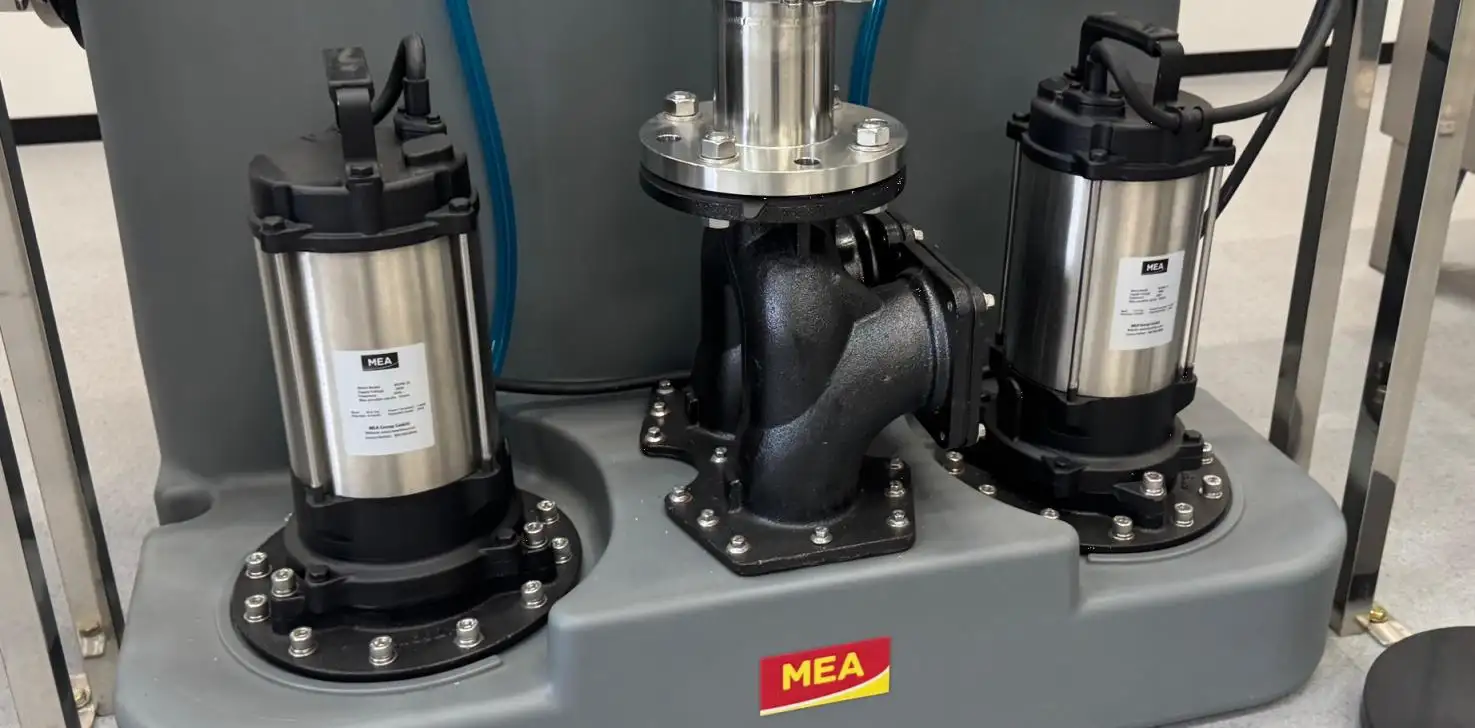
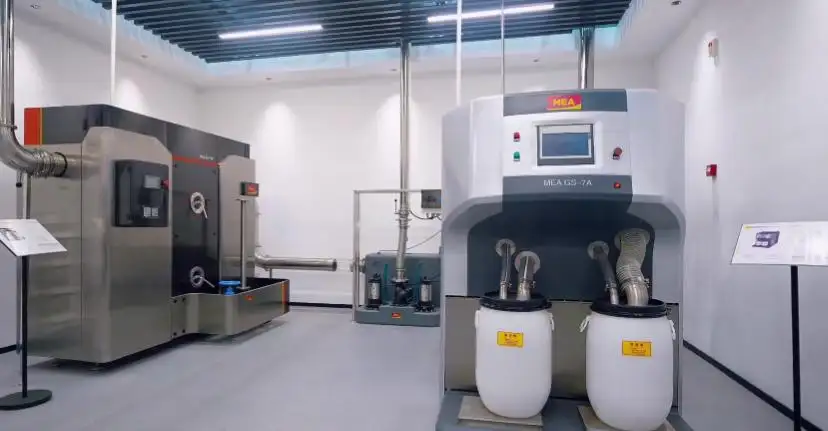
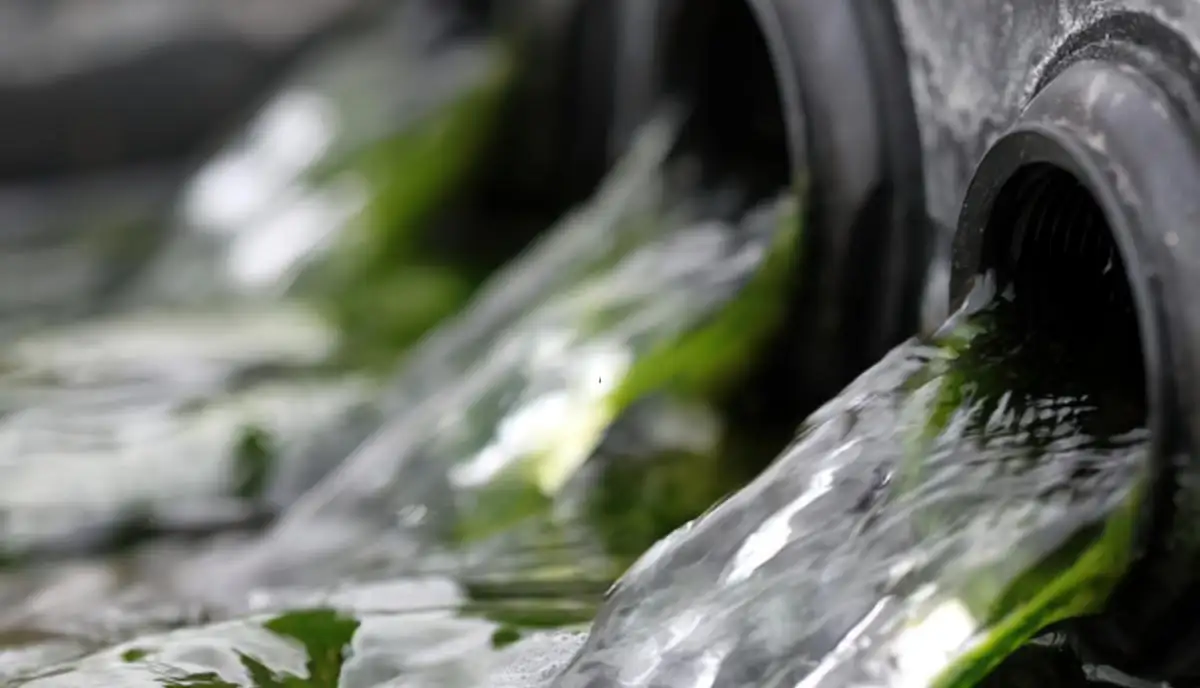
Discharge from commercial kitchens includes wastewater laden with fats, oils, grease, suspended solids, etc. Separation of these materials in drain systems is essential; otherwise they result in obnoxious drain odors and require increased maintenance.
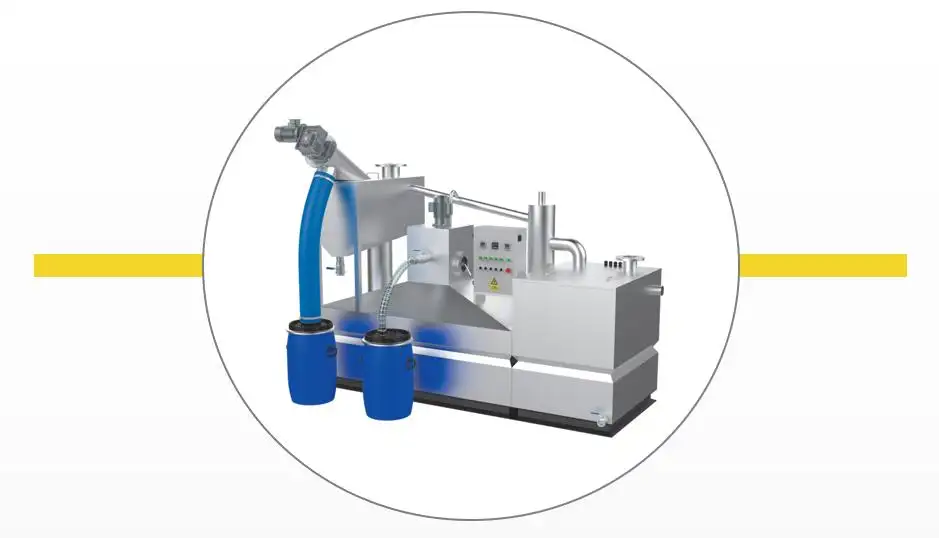
A grease trap for hospitality optimally designed should enable grease separation, sludge removal, and self-cleaning and also allow for monitoring and safe maintenance. Automatic removal of sludge and self-cleaning systems provide a means for hotel, restaurant and catering kitchens to control drainage issues.
What Is a Grease Trap for Hospitality?
A grease trap for hospitality is designed to separate and retain the fats, oils, grease and food solids from commercial kitchen wastewater before the wastewater is discharged to the main drainage system.
Passive systems are used for small kitchens and require manual cleaning. Self-disposal separators and systems are used in hotels and high-volume kitchens/central kitchens and are designed with automatic removal of sludge, oil discharge, heating, sensing, and cleaning systems.
Selection for these systems should be based on the expected flow rate, hours of operation, type of menu, grease load, solids content, plumbing connections, and available installation space.
Why Sludge Accumulation Matters?
Sludge is normally composed of food solids and detergent residues. Starch, vegetable, and meat residues are examples of food solids. If these solids are allowed to remain in the separators, they reduce the effective volume of the separator and the time wastewater is retained.
| Problem | Cause | Effect |
| Lower separation efficiency | Sludge occupies volume | Increased FOG in outlet |
| Slow drainage | Solid accumulation | Operational disruption |
| Strong odors | Organic matter decomposes | Poor hygienic conditions |
| Mechanical blockage | Large particles | Equipment downtime |
An effective Grease Trap for Hospitality must address the separation of both floating grease and settled solids.
How Automatic Sludge Removal Works
The process of automatic sludge removal involves the separation of solid particles from oily wastewater and the subsequent displacement of these particles from the treatment chamber. Its usual components are:
•A separation or settling chamber
•A screw, scraper or conveyor
•Level sensors or programmable controls
•A mechanism for reducing residual water
•A reverse mechanism to prevent jamming
Sludge removal prior to the reaching of an excessive volume helps to maintain the performance of the system in a hydraulic sense, minimize the effects of decomposition, reduce the need for manual intervention, and improve the upkeep of the system.
What Is Self-Cleaning Technology?
Self-cleaning technology is designed to automate cleaning chores. Brushes, thrusts, agitation, and heating can be employed along with methods that decompose grease and sludge to be removed. These technologies utilize programmable cycles to execute the cleaning tasks.
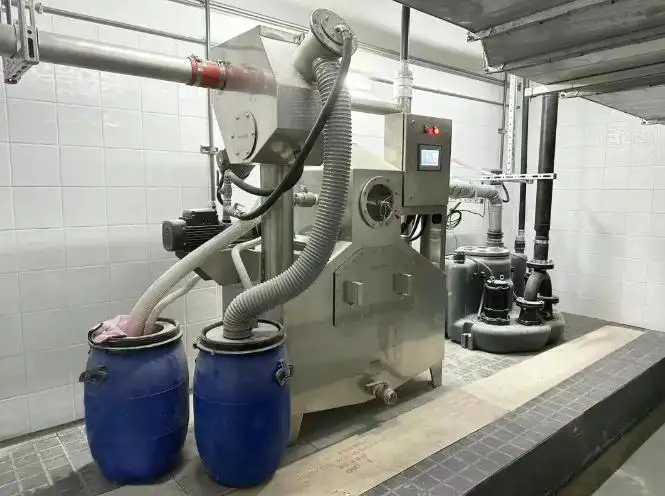
A self-cleaning grease trap for hospitality would combine numerous technologies, including internal brushes, high-pressure nozzles, an agitator, heating, automatic oil discharge, and control through sensors to eliminate grease build-up in difficult-to-reach areas.
While self-cleaning technologies reduce some cleaning efforts, they do not eliminate the need for maintenance. Sightglasses, sensors, nozzles, seals, discharge lines, heaters, and numerous other moving parts still require maintenance.
How Two-Stage Separation Improves Performance
In the two-stage separation approach, the separation of solids and grease occurs in different treatment sections.
Stage 1: Sludge Separation
During this stage, most of the heavy solids settle in the sludge chamber before the sludge enters the grease chamber. This helps to avoid clogging the outlet and other mechanical parts.
Stage 2: Grease Separation
Due to its lower density, grease will float and form a layer on top. This is achieved with the right retention time, controlled flow, and will occur before the treated wastewater exits the outlet.
For some applications, two-stage separation aids in better management of the treatment volume and encourages the servicing of hospitality grease traps that have high solid content.
Level Sensors, Monitoring, and Odor Control
Level sensors allow for the measurement of grease, sludge, and liquid accumulation or high levels of water.
The enclosed grease trap for hospitality is designed to contain wastewater in the equipment room to help limit odors. This will be achieved with the proposed containment measures of ventilation, sealed covers, and will be aided with a proper schedule for waste removal and servicing.
The Use of HDPE in Grease Separators
Using high-density polyethylene in grease separators helps to process highly contaminated kitchen grease waste with excellent adhesion. HDPE is a lightweight, smooth, corrosion-resistant, and chemically resistant material. All of these features help in minimizing adhesion of grease waste.
HDPE may simplify transport and positioning. Underground installation still requires assessment of soil pressure, groundwater, foundation capacity, anti-flotation measures, operating weight, and maintenance access.
Hotel Indigo Suzhou Grand Canal

MEA® GS-5H HDPE Grease Trap Supplied by CMSA
CMSA supplies the MEA® GS-5H full-disposal grease trap for hospitality for projects requiring automatic sludge handling and enclosed operation.
The system combines two-stage separation, a large sludge chamber, multiple overflow points, spiral sludge handling, automatic removal, and reverse operation to reduce jamming. Its cleaning system includes a self-cleaning brush, high-pressure flushing, an agitator, manual or automatic control, and double sightglasses.
Optional automatic oil discharge supports up to 25 L/h. Automatic heating and constant-temperature control can help maintain grease flow where required. The unit uses 12 mm HDPE integrated molding and a detachable structure for corrosion resistance and installation flexibility.
| Parameter | GS-5H Specification |
| Nominal flow rate | 5 L/s |
| Inlet / outlet | DN 160 / DN 160 |
| Dimensions | 2,428 × 1,840 × 1,895 mm |
| Nominal volume | 1,500 L |
| Empty / full weight | 275 kg / 1,775 kg |
| Minimum mounting area | 3,300 × 2,600 mm |
Installation should be checked against drainage calculations, site access, structural requirements, and local wastewater regulations.
Does an Automatic Grease Trap Require Maintenance?
Yes, an automatic grease trap for hospitality still requires routine servicing and maintenance for its sensors, sight glasses, sludge conveyors, flushing nozzles, brushes, heaters, discharge lines, seals, controls and alarm systems.
The frequency of inspection should consider the cleaning requirements based on the workload of the kitchen, grease production, solids loading, operational time, and discharge requirements.
The automated grease trap with sludge removal offers the advantage of reducing the treatment volume. Furthermore, the automated self-cleaning system reduces the formation of internal deposits and the requirement for cleaning. When selected, installed, and maintained properly, the two-stage separation system, along with the automated system for monitoring, closing the system, and the use of HDPE, offers a high degree of reliability.
Project Planning for Grease Trap for Hospitality?
CMSA supports hospitality project teams during the selection, layout, and planning processes of the installation of MEA® grease separators. Please provide your type of kitchen, anticipated waste water flow, pipe connections, and available installation space for an initial determination of fit for the MEA® GS-5H for your project.
FAQs
Q1. What Grease Trap for Hospitality solutions does CMSA provide?
For hotels, restaurants, central kitchens, catering, and other commercial food service operations, CMSA offers the MEA® grease separation systems. CMSA provides systems with and without HDPE construction. The systems come with automatic removal of sludge, self-cleaning, level monitoring, odor control, and optional automatic discharge of oils.
Q2. How does CMSA assist customers in determining the appropriate grease trap size?
To assist in sizing the grease separator systems, CMSA evaluates the anticipated wastewater flow, the type and number of kitchen equipment, operating hours, the meal capacity and the grease load and solid content, the pipe dimensions, and the installation space. Based on this, CMSA determines if the MEA® GS-5H or another grease separator is appropriate.
Q3. What is the flow rate of the MEA® GS-5H offered by CMSA?
The MEA® GS-5H offered by CMSA has a nominal flow rate of 5 L/s. Other considerations evaluating the final selection that would have precedence over the MEA® GS-5H would be the drain design of the project, peak kitchen discharges, characteristics of the wastewater, and the local governing authority regulations.
Q4. How does the CMSA MEA® GS-5H automatically remove sludge?
Large sludge separation chambers combined with a spiral conveying device in the CMSA MEA® GS-5H system facilitate the separation and removal of solid waste. The sludge removal mechanism has an anti-jam design where the removal mechanism can switch the direction of the conveying device when a blockage is detected.
Q5. Does the CMSA grease trap have self-cleaning technology?
The MEA® GS-5H does contain self-cleaning technology. The self-cleaning technology includes a self-cleaning brush, high-pressure automatic flushing, and an integrated agitator. The cleaning process can be controlled either manually or automatically to suit the kitchen's workload and the desired maintenance interval.


