
Factories and Manufacturing Plants Maintain Hygienic Drainage Systems
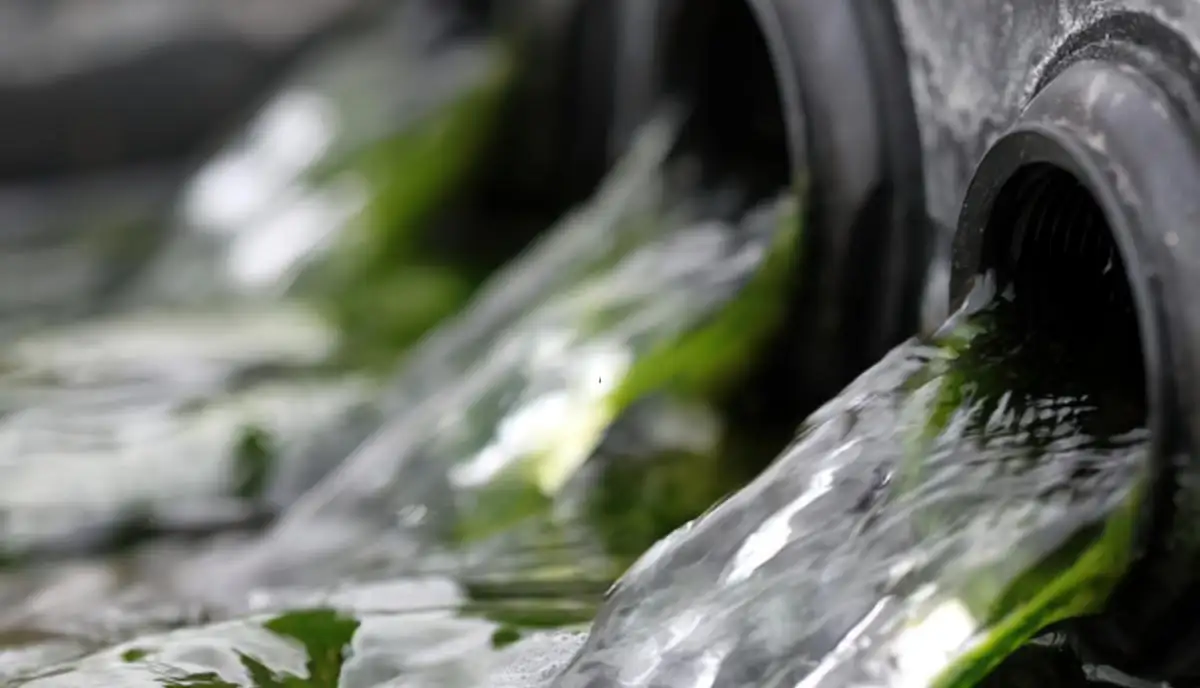
Controlling wastewater via a simple pipe and channel system is not sufficient for large-scale manufacturing facilities. Wastewater for food processing, beverage, and pharmaceutical manufacturing and chemical production can involve organic byproducts, cooking oils and grease, chemicals, and suspended solids. Without proper design, these systems allow wastewater to flow and settle, causing putrefaction and malodors and resulting in increased difficulty to clean the system.
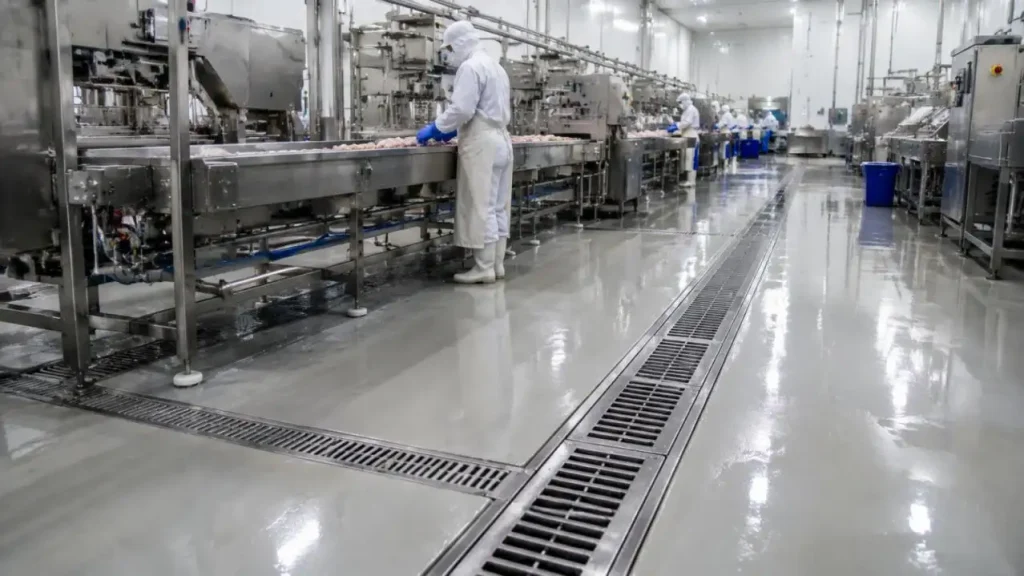
Factories and manufacturing plants include hygienic drainage systems as a central component of their production hygiene strategy. Examples of effective drainage systems include hydraulic performance, resistance to environmental corrosion, design for ease of cleaning, and reliability.
CMSA has developed a line of stainless steel hygienic drainage units to address the industrial demand for modular drainage channels, floor drains, grates, filters, and water traps. These units are designed for use in production environments where hygiene is critical.
Why Do Drainage Systems Become a Critical Control Point in Factories?
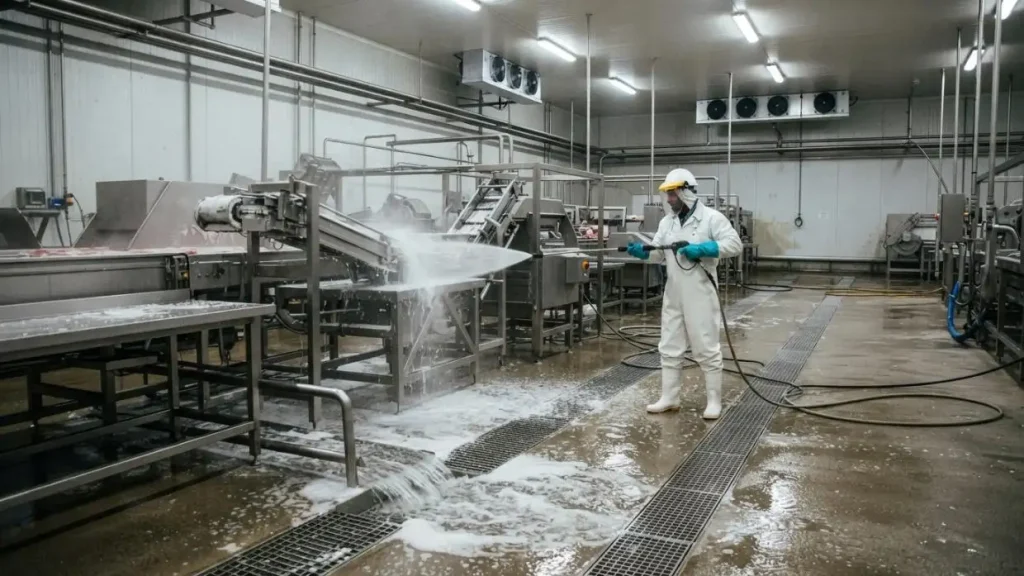
During production and cleaning processes, industrial production facilities can receive large volumes of wastewater in short periods of time. Drainage systems must be able to remove wastewater and residue while ensuring that residue does not remain in the system.
Some issues caused by poor drainage design include:
| Problem | Technical Cause | Effect |
| Water stagnation | Inadequate drainage system design | Increased risk of putrefaction |
| Residue accumulation | Sharp design elements | Long cleaning cycles |
| Malodors | No water trap | Unhealthy working environment |
| Blocked pipes | No filtration | Reduced drainage efficiency |
Therefore, to control putrefaction and unpleasant odors, there is a reliance on the design of the drainage system to control the buildup of residue rather than on frequent cleaning cycles.
Stainless Steel Drains With Hygienic Geometry
Corrosion resistance and durability under high temperatures and severe repetitive washing determine the performance of sanitation systems. Stainless steel, in this respect, offers:
• Resistance to corrosion from water and cleaning chemicals and from the residual matters of industrial processes
• Long service life
• Smoothened surfaces that restrict contamination
• Compatibility with manufacturing processes that promote hygiene
Corrosion resistance is enhanced with stainless steel in applications of hygienic manufacturing, where the 304 grade is predominantly used. However, in more arduous environments, the 316L grade has superior resistance to corrosion.
There are advantages of stainless steel, but it should not be presumed that its use warrants improved levels of hygiene. This is equally applicable to the internal geometry of drainage channels.
Designs that define hygienic levels include:
• Large internal corner radii
• Smooth internal surfaces
• Sealed construction
• Reduced dead zones
CMSA integrates these design features into their hygienic channel systems. These include modular channels with V-shaped bottoms, which help improve water concentration and drainage, and promote a self-cleaning effect.
Select Drainage Based On Factory Wastewater Conditions
A common issue in industry is choosing drainage systems based solely on the size of the production area. The selection should consider the volume and rate of wastewater, the method of cleaning and the peak discharge conditions.
Important factors in the design of the drainage system include:
| Wastewater flow rate | Determines the drainage capacity. |
| Channel width and depth | Affects the hydraulic efficiency. |
| Location of outlets | Determines the discharge path. |
| Slope of the floor | Determines the path of the water. |
| Content of wastewater | Influences the type of filtration required. |
For example:
• Drainage systems for food processing plants must remove wastewater from frequent wash down as well as organic waste.
• Beverage production facilities remove wastewater continuously.
• Pharmaceutical areas need more stringent contamination control and accessibility for sanitation.
CMSA has some modular drainage configurations including center outlet, end outlet, or slot outlet solutions, as follows:
| Configuration | Typical Length | Outlet Design | Material | Advantage |
| Hygienic Channel Unit | 1000 mm | Modular channel structure | 304/316L Stainless Steel | Large production areas requiring continuous drainage |
| Center Outlet Drainage Channel | 900 mm | Central outlet connection | 304/316L Stainless Steel | Flexible connection with factory piping systems |
| End Outlet Modular Channel | 500 mm | End outlet configuration | 304/316L Stainless Steel | Integration with customized floor drainage systems |
| Slot Outlet Solution | Customizable | Slot outlet design | 304/316L Stainless Steel | Hygienic floor design with minimized surface opening |
Suitable Drainage Structures for Different Manufacturing Areas
Trench Drainage vs. Point Drainage
Since most large production areas generate wastewater over widespread sections of the floor, continuous drainage solutions are likely needed.
| Comparison | Trench Drainage | Point Drainage |
| Collection method | Continuous linear collection | Localized collection |
| Suitable areas | Processing lines, cleaning zones | Equipment areas |
| Water control | Better coverage | Limited collection range |
| Installation | Requires floor planning | Easier small-area installation |
CMSA modular channel systems enable complex channel layouts around production equipment and facility support structures by combining multiple sections and corner units. Corner drainage installations help maintain continuous flow paths.
Traditional Grating vs. Hygienic Slot / Optimized Grating Drainage
Drainage covers affect the safety and hygiene performance of a design.
| Feature | Traditional Grating | Hygienic Slot / Optimized Grating |
| Surface opening | Larger openings | Reduced exposed area |
| Cleaning | More residue exposure | Easier sanitation |
| Appearance | More visible | Better floor integration |
| Application | General drainage | Hygiene-sensitive facilities |
CMSA includes many options for traditional grating:
| Drainage Grating Type | Design Feature | Drainage Grating Advantage | Context to Consider |
| Ladder Grating | Parallel bars with open pathways for drainage | High drainage efficiency, easy removal of debris during cleaning | Areas with high volume of cleaning |
| Mesh Grating | Multiple, open grid structure | Reconciling floor drainage, safety for walking, and less drainage speed | Generally used in industrial and food processing areas |
| Slot Grating | Drainage with a narrow opening | Enhances integration of floor drainage, easier surface cleaning and better drainage | Higher level of hygiene production |
CMSA also has several options for customized drainage for complex industrial projects.
Hygienic Drainage Grating Components by CMSA
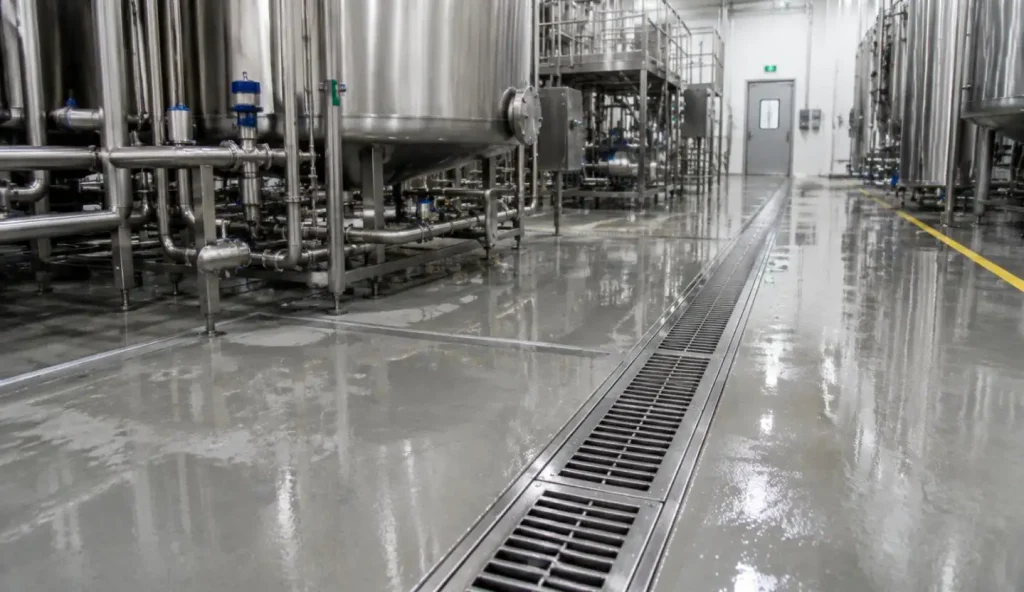
When considering a complete factory drainage system, one can't just focus on drainage channels. Drainage system components play a major role in determining system effectiveness and longevity.
Preventing Blockages with Hygiene Filters and Drainage Filters
Production wastewater may contain solid particles that can enter a drainage system.
CMSA's drainage and hygiene filters are designed to:
• Capture solids before they enter the drainage system
• Ease the burden of maintenance
• Reduce the risk of systems failure
• Improve the reliability of the drainage system
Design of Water Traps for Control of Odors
Water traps help control odors from wastewater systems.
A trap prevents:
• Hydraulic Sealing Degradation
• Hydrogen Sulfide Formation
• Contamination of Devices and Surfaces
CMSA designs control hygienically safe water traps for integrated drainage systems to enhance sanitation processes in industries.
Installation and Maintenance Determine Long-Term Drainage Performance
Correct installation is necessary to maximize the potential of your drainage system.
Key aspects of installation are:
• Planned floor slope
• Aligned drainage channels
• Water-proof connections
• Ability to be inspected and cleaned
CMSA provides technical services to assist their customers with their drainage projects, such as, drainage calculations, product selection, layout planning, BIM assistance and guidance on drainage system installations to fulfill the needs of the project.
Maintenance includes:
• Filter and trap cleaning
• Removal of debris
• Condition of grating assessment
• Assessment of drainage flow
Closing: Building More Reliable Production Environments
It is important to maintain the hygiene of manufacturing facilities as sanitation determines system efficiency and safety while affecting the reliability of the facility.
Key components of a reliable industrial drainage system are:
• Proper hydraulic design
• Corrosion resistant stainless steel
• Hygenic design
• Adequate filtration and odor control
• Design and planning of the system
CMSA offers stainless steel floor drains and drain channels, together with grating systems, filters and water management accessories designed for industrial applications. Through customized engineering support and application-based solutions, CMSA strives to assist manufacturers with cleaner, safer, and more productive production environments.
FAQs
Q1. Why do factories require specialized drainage systems over traditional drainage systems?
Factories generate production wastewater that contains organic residue, chemicals, and particles that contaminate. Hygienic drainage systems offered by CMSA are built with stainless steel, optimized channel geometry, incorporated filtration elements, and construction intended for the purpose of building cleaner production environments.
Q2. What stainless steel options does CMSA offer for hygienic drainage systems?
CMSA manufactures hygienic drainage more stainless steel options such as 304 and 316L stainless steel. 304 stainless steel is intended for general industrial and food processing environments, while 316L stainless steel is intended for more demanding environments.
Q3. How do CMSA drainage channels facilitate increased cleaning efficiency in factories?
CMSA drainage channels employ hygienic design to promote easy cleaning. This is achieved through stainless steel surface construction, optimized internal structures, and minimization of areas for retention of residue. Design of the drainage channels guides and helps to flow waste water and thus diminish residue in the channels and facilitates cleaning.
Q4. What drainage configurations can be provided by CMSA for a manufacturing plant?
CMSA offers modular hygienic drainage channels that come in configurations of center drainage, end drainage and drainage slots with corners.
Q5. How does CMSA choose the best drainage system for different factories?
CMSA bases the drainage system choice on the following factors:
• Flow rate of wastewater
• Floor layout
• Required capacity
• Frequency of cleaning
• Process of production
• Standards of hygiene
CMSA strives to choose the best available drainage systems for the chosen factory based on the operating conditions of the factory.This involves system evaluations rather than the application of a uniform standard.


